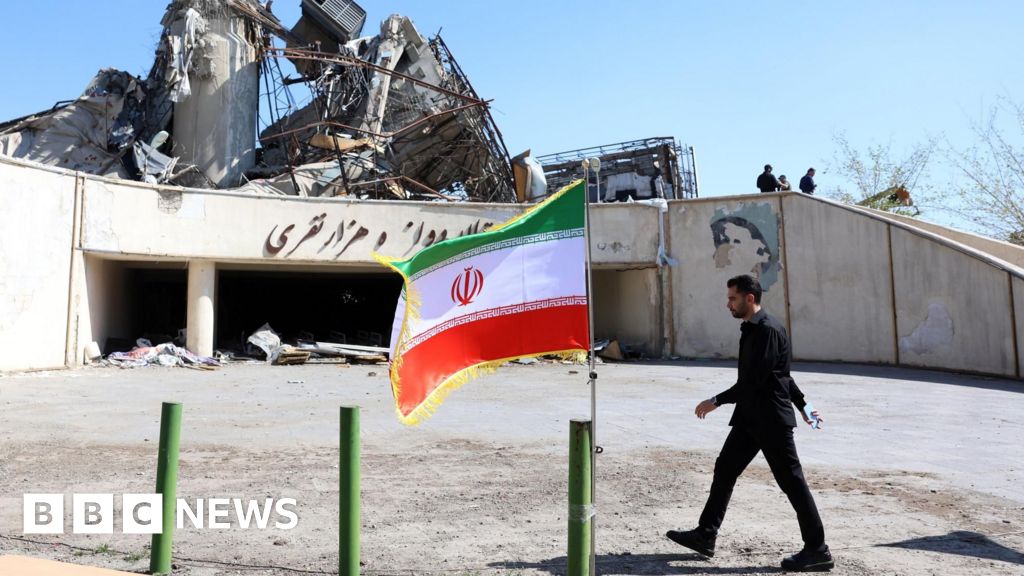

U.S. threats to target Iran’s critical infrastructure, including power plants and bridges, to force compliance on the Strait of Hormuz represents a high-risk escalation with profound bullish and bearish implications for the Middle East and North Africa’s (MENA) fragile economic landscape. The Strait of Hormuz—a vital artery for 20% of global oil supply—rests at the intersection of geopolitical and energy security risks, making any disruption or coercion asymmetric bets that ripple through sovereign balance sheets and regional trade corridors. For Iran, the deliberate targeting of infrastructure by the U.S. (or its proxies) undermines its coercive calculus to leverage the strait’s chokepoint status, while raising costs for domestic energy production and transportation. This dynamic exacerbates Baghdad’s sovereign debt vulnerabilities, as jihadist groups or state actors redirecting resources to defend Gulf energy routes divert funds from critical sectors like agriculture and sanitation, deepening fiscal instability in a region where military spending already eclipses social expenditure in multiple jurisdictions.
The uncertainty surrounding the Hormuz guarantee injects skepticism into long-term infrastructure investments across the Gulf Coast, deterring foreign direct investment in renewable energy projects and ports. Multinationals, wary of asset confiscation or kinetic retaliation, may underwrite sovereign guarantees at disproportionate cost—a trend that erodes the credibility of state-backed project pipelines. Meanwhile, venture capital flows across MENA remain cautious, as heightened geopolitical volatility overrides thematic opportunities in fintech or agritech. Institutions prioritizing ESG metrics may deprioritize the region unless force majeure frameworks and risk-tolerance models account for unconventional risks like sanctions-linked infrastructure damage. The delicate balance between regional stability and sovereign capacity to buffer against surrogate warfare—seen in past episodes like the U.S. embargo on Iraq, now even flowing barrel-for-barre—takes on renewed urgency in an era of decoupled global supply chains.
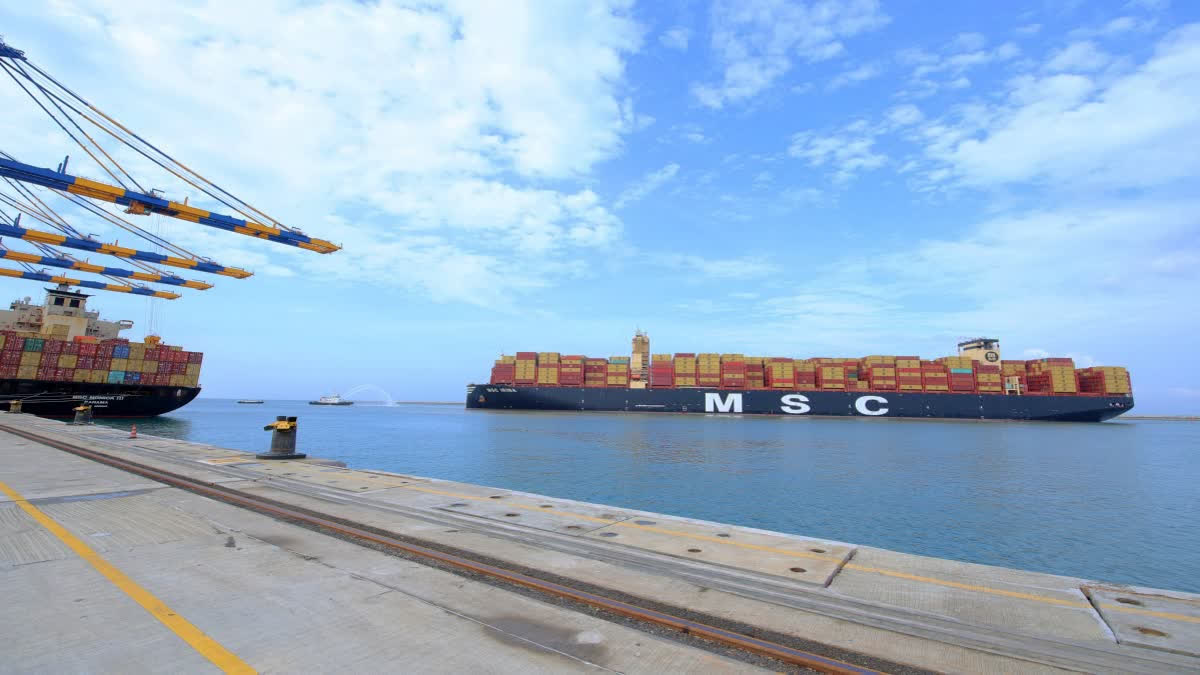
Technologically, the threat underscores Israel’s strategic edge in regional infrastructure resilience, with AI-driven smart grids and decentralized energy systems emerging as geopolitical hedges. Saudi-backed initiatives like Neom’s Red Sea Port, positioned far from Persian Gulf flashpoints, may gain traction as firms seek to rebundle exposure to Indian Ocean energy routes. For Doha, where natural gas exports depend on joint ventures with Yemen and U.S. clients, the Hormuz calculus heightens pressure to renegotiate Qatar-Gyan hydrocarbon partnerships, leveraging North Africa’s arbitrary resource adjacency. The syndicated Gentempord energy bond market now prices Iran’s risk premiumes at levels last seen post-revolution, reflecting a return to hybrid financial warfare where capillarian transactions and shadow node systems become tools of attrition.
In sum, the specter of kinetic infrastructure warfare in the Hormuz vicinity tests MENA’s institutional capacity to absorb U.S.-led recalibration of the regional security bargain. While sovereigns with diversified revenue streams (Qatar, U.A.E.) hedge via offshore liquidity swaps, nations like Yemen remain hostage to capital allocation trade-offs that prioritize defense over development. The episode crystallizes the region’s dual vulnerability: overreliance on extractive business models and growing dissonance between sovereign ambition and external constraints. Long-term, this could accelerate diversification mandates adopted by the Abu Dhabi Investment Authority and Al Jazeera Asset Management, though their effectiveness remains contingent on whether geopolitical inertia can be disentangled from fiscal realism.