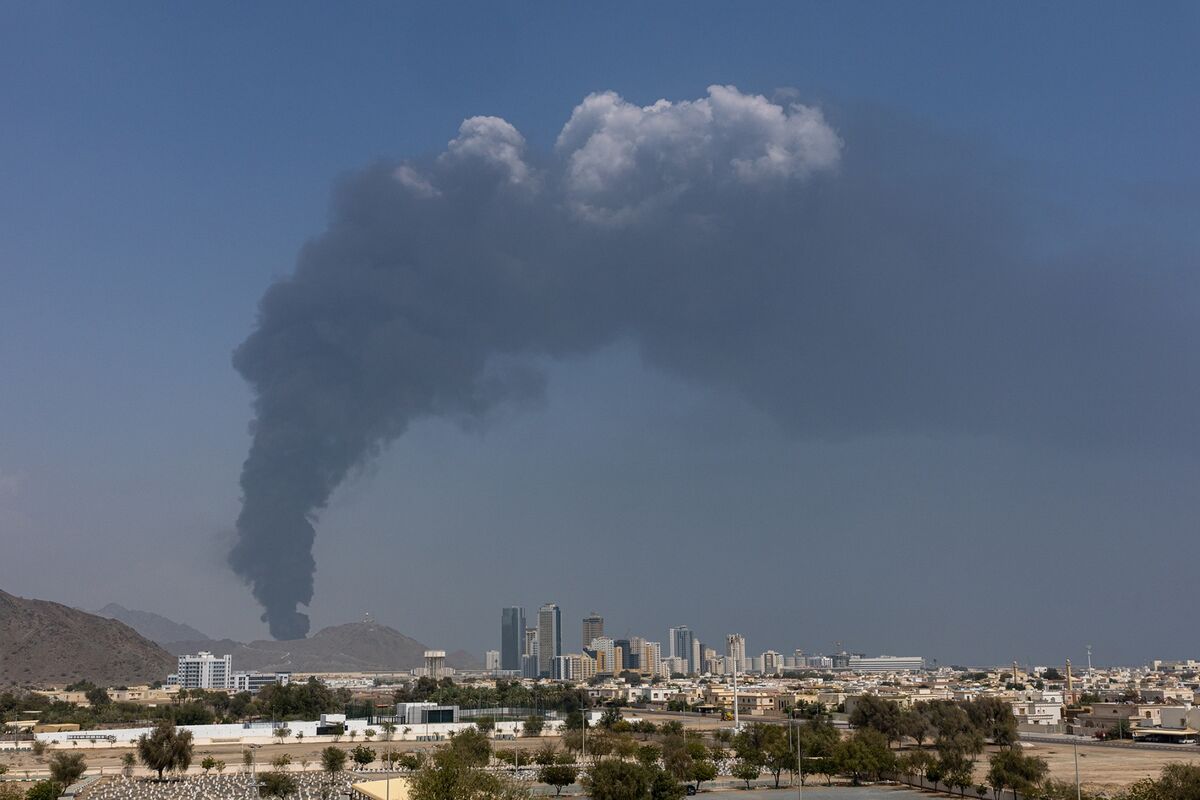

The escalation of Iranian military operations in the Persian Gulf region represents a significant escalation in the ongoing geopolitical conflict, with immediate ramifications for energy infrastructure stability and sovereign investment strategies. The targeting of the Shah natural gas field in the United Arab Emirates demonstrates Iran’s willingness to directly impact critical energy production facilities, potentially destabilising the oil and gas market during a period of heightened global energy insecurity. The suspension of operations at the Shah field underscores the vulnerability of midstream and downstream infrastructure to asymmetric warfare tactics.
For the Middle East and North Africa’s broader energy sector, these attacks could have far-reaching consequences for sovereign capital expenditure plans and regional infrastructure development. Gulf Cooperation Council countries, particularly the UAE and Saudi Arabia, may need to reassess their strategic energy security frameworks and potentially accelerate investment in defensive technologies and redundant production capabilities. This defensive pivot could redirect substantial capital from new exploration and production initiatives to infrastructure hardening and cybersecurity measures, potentially impacting the region’s ability to meet global energy demand.
The venture capital and financial technology ecosystem in the region may also need to recalibrate its investment strategies in response to heightened geopolitical tensions. Firms may scrutinise more closely the risk profiles of energy infrastructure and logistics investments, potentially shifting capital towards less strategically critical sectors. Moreover, the attacks could prompt increased sovereign investment in advanced defence and monitoring technologies from both regional and international partners, potentially creating new opportunities for secure infrastructure development and innovative security solutions across the MENA region’s critical energy assets.