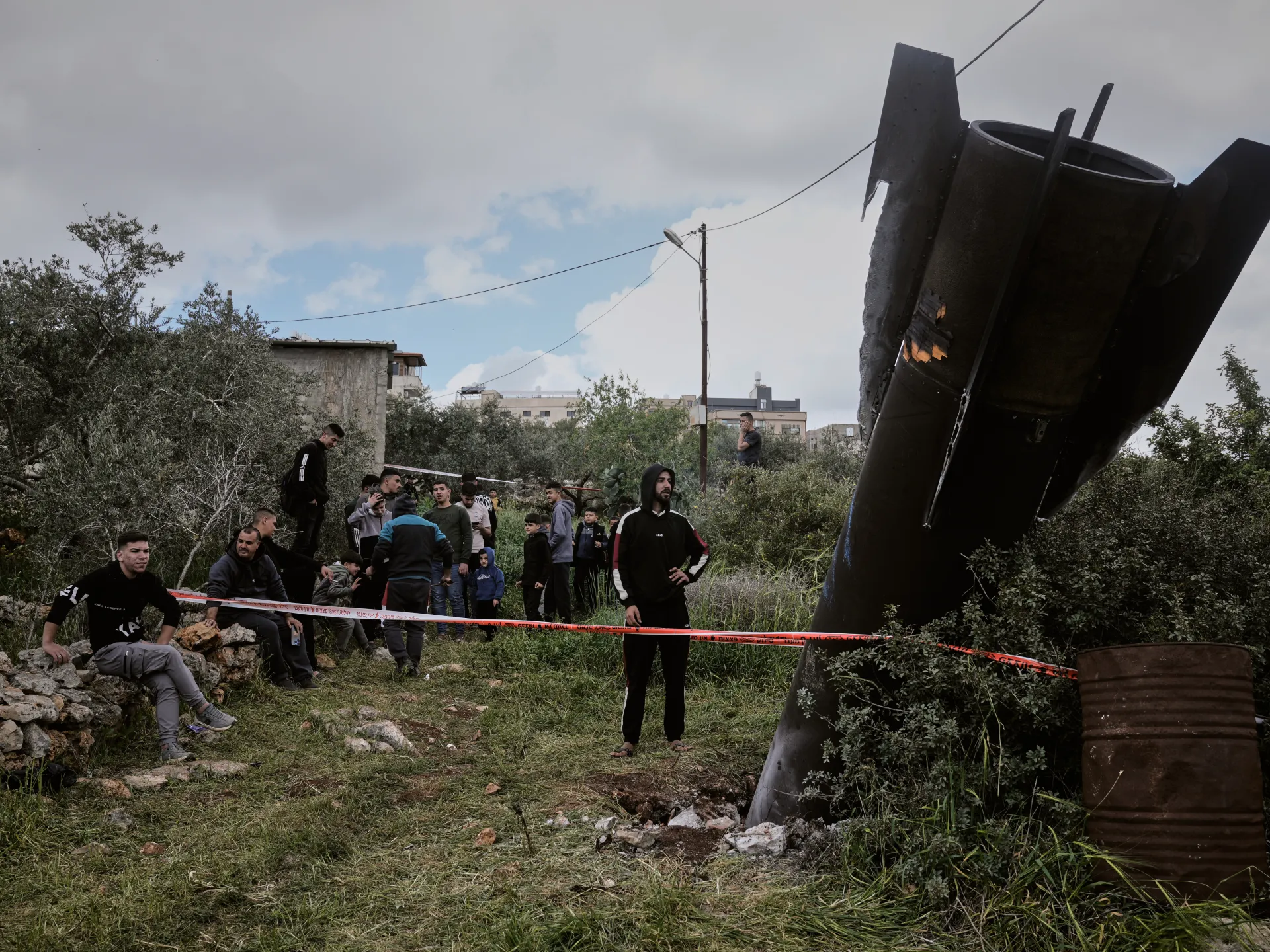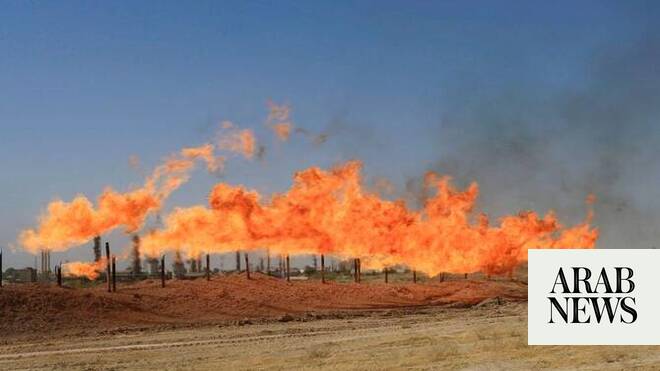

Iraq’s declaration of force majeure on foreign-operated oilfields due to disruptions in the Strait of Hormuz underscores a critical vulnerability in the region’s energy infrastructure and its profound implications for sovereign capital flows. The near-total shutdown of Iraqi crude exports—a lifeline for the country’s finances, which derive over 90 percent of public revenue from oil—exacerbates an already precarious fiscal position. With state oil company SOMO unable to utilize preloaded shipments and production slashed to 900,000 barrels per day, the stroke against sovereign liquidity will strainBudget allocations and debt servicing capacity. This crisis, triggered by escalating military activity in a strategically vital chokepoint, reflects systemic risks inherent to Middle Eastern energy export models, which remain overly dependent on narrow geopolitical pathways. The fallout may accelerate demands for regional diversification of energy infrastructure, piling pressure on Gulf states and other actors to invest in alternative logistics networks or energy storage solutions to insulate against similar shocks.
The economic repercussions extend beyond Iraq, impacting sovereign capital dynamics across the MENA region. Reduced exports from Iraq could trigger spillover effects in neighboring countries reliant on Iraqi crude as an intermediate refining feedstock, potentially destabilizing regional refining margins and investment confidence. For sovereign entities managing sovereign wealth funds or cross-border infrastructure projects, this event highlights the financial fragility tied to oil supply chains. Venture capital ecosystems in the region, particularly those focused on energy tech or logistics innovation, may face heightened scrutiny amid geopolitical volatility. Investors will likely demand enhanced risk mitigation frameworks, prioritizing initiatives that decouple regional economic activity from single-strand oil dependencies. This could slow capital inflows into MENA ventures tied to traditional energy, redirecting funds toward hybrid or alternative energy solutions perceived as more resilient to supply disruptions.
Regional infrastructure implications are stark, with the Hormuz disruption serving as a stark reminder of MENA’s infrastructural fragility amid recurring conflicts. The Strait’s role as a 20 percent conduit for global oil and LNG underscores how localized military incidents can precipitate global market volatility, necessitating resilient infrastructure investments. Countries in the Gulf and beyond may expedite efforts to develop alternative maritime corridors, invest in regional refining capacity, or explore digital trade platforms to reduce physical dependency on chokepoints. However, such measures require coordinated policy frameworks and cross-border financial commitments—challenges compounded by existing sovereign debt vulnerabilities. The situation also risks dampening private infrastructure development, as risk-averse investors may retreat from MENA projects until stability is restored, further constraining long-term growth prospects in a region already grappling with fragmented economic diversification efforts.