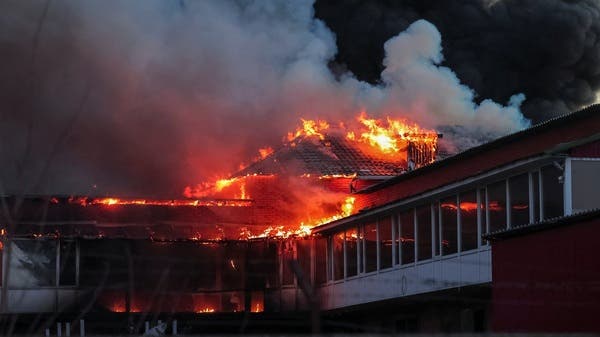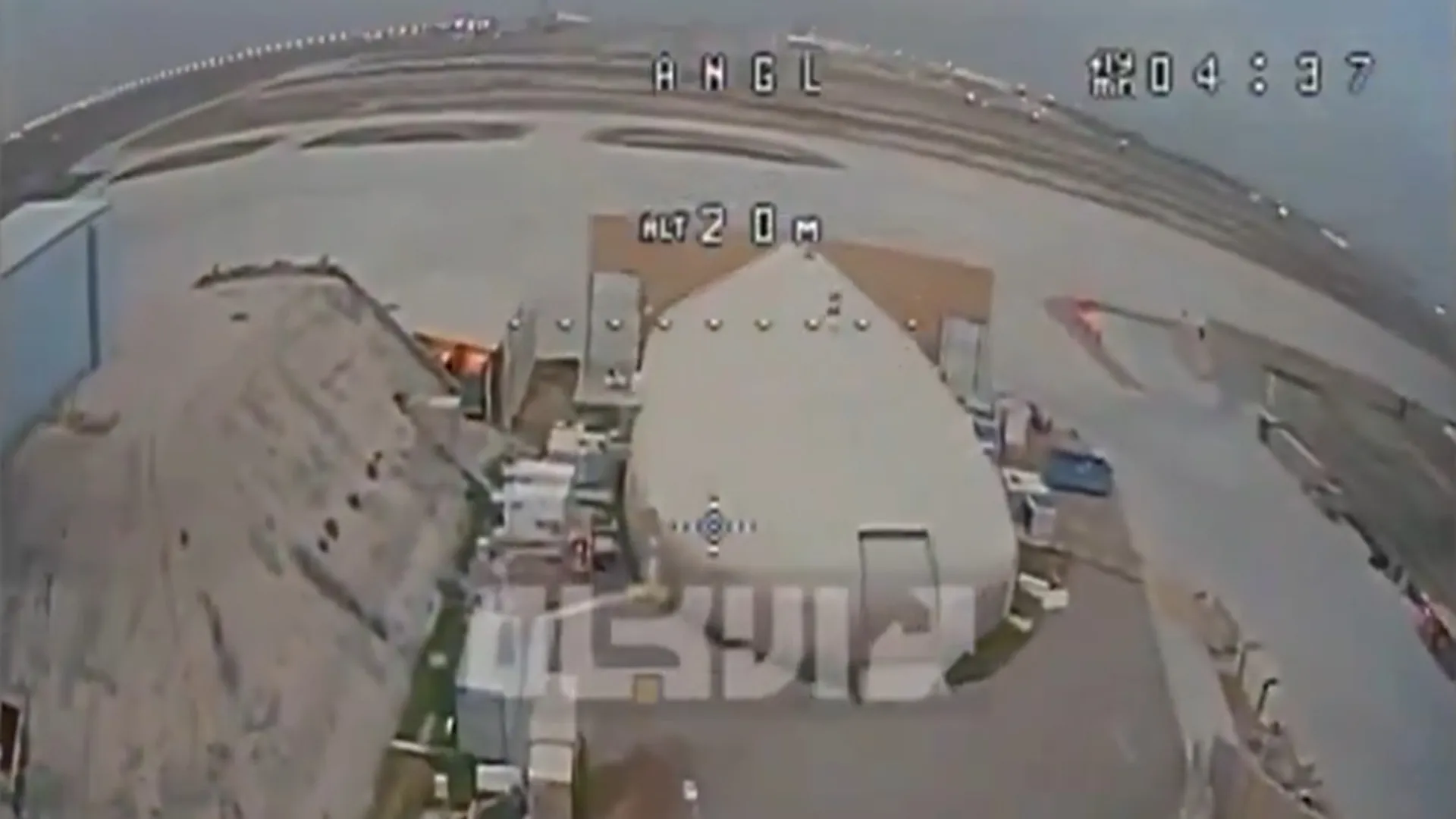

The latest attack on US military installations in Iraq by Iranian-backed Kataib Hezbollah is poised to send shockwaves through the global energy markets and regional geopolitical dynamics. The successful deployment of a first-person view (FPV) drone to breach defences at Victory Base near Baghdad International Airport signifies a worrying escalation in asymmetric warfare capabilities, potentially impacting oil supply stability across the Gulf and stoking fresh tensions between US-led coalition forces and Iranian proxies.
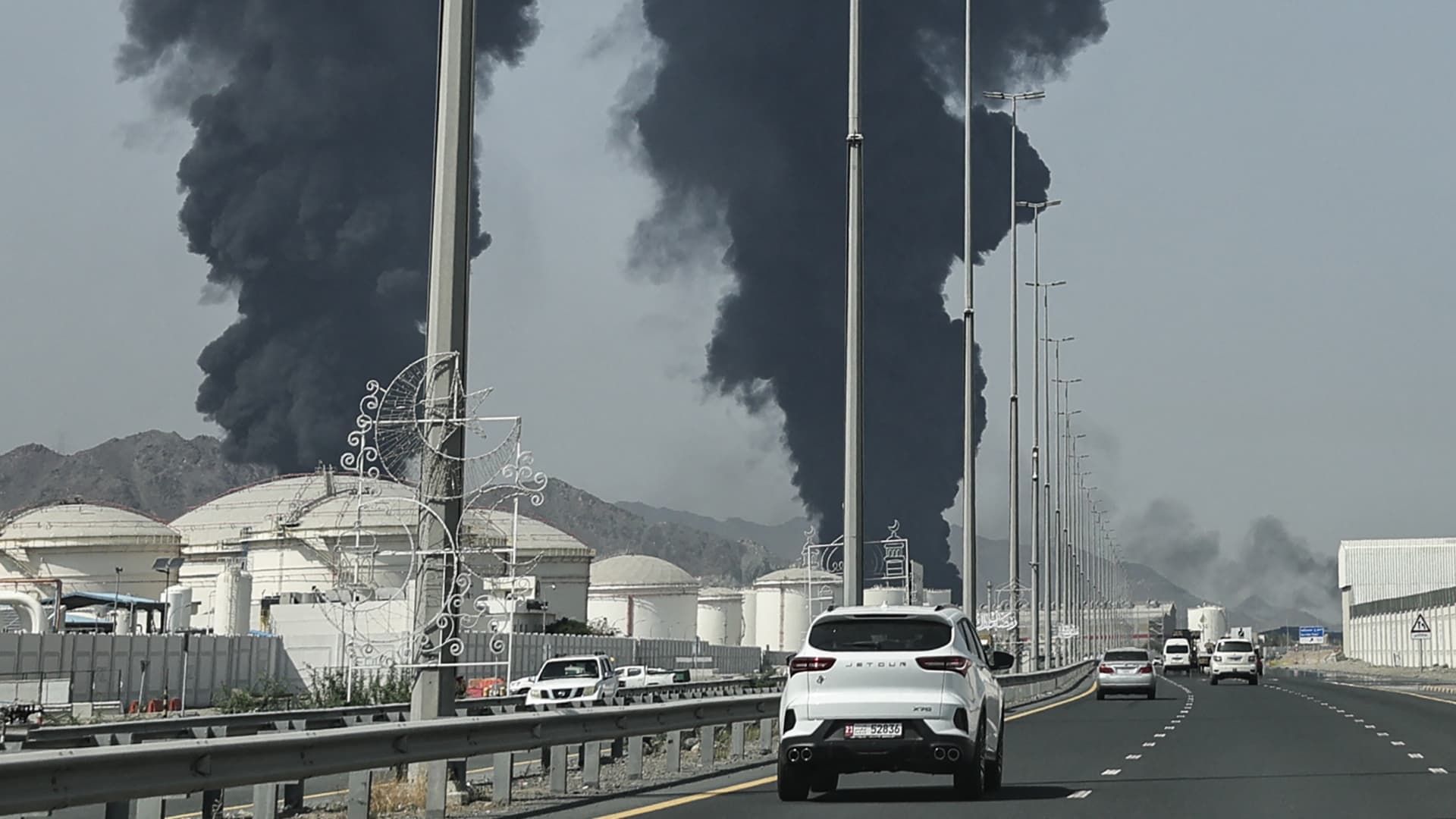
The drone attack underscores the persistent threat to regional infrastructure that underpins global energy security. Iraq’s strategic position at the heart of the Middle East’s hydrocarbon network means any significant disruption could ripple across the broader Gulf region, where offshore platforms, refinery complexes and strategic waterways such as the Shatt al-Arab are at risk. The incident is likely to result in increased capital expenditure on counter-drone systems and advanced air-defence protocols by both state actors and energy-sector operators seeking to safeguard critical assets.
In tandem, the event is expected to recalibrate sovereign investment strategies for high-risk, high-reward infrastructure projects. The volatility introduced by non-state actors wielding advanced military drone technology may lead GCC and North African sovereign wealth funds to pivot towards more diversified, geographically distributed portfolios. Additionally, venture capital is expected to funnel into dual-use technologies, including AI-powered threat detection for port and energy infrastructure, while lenders may impose stricter covenant structures on major developments in contiguous areas near conflict-prone zones.
Middle East technology correspondents may accordingly observe heightened demand for robotic security systems, with Abu Dhabi’s International Defence Exhibition and Conference (IDEX) and similar regional forums likely to showcase latest-generation counter-technological innovations in the coming months. The ripple effects on the MENA tech ecosystem are equally pertinent, ranging from nascent MENA defence tech startups to established conglomerates re-engineering their operational overlays to contend with hybrid security challenges.