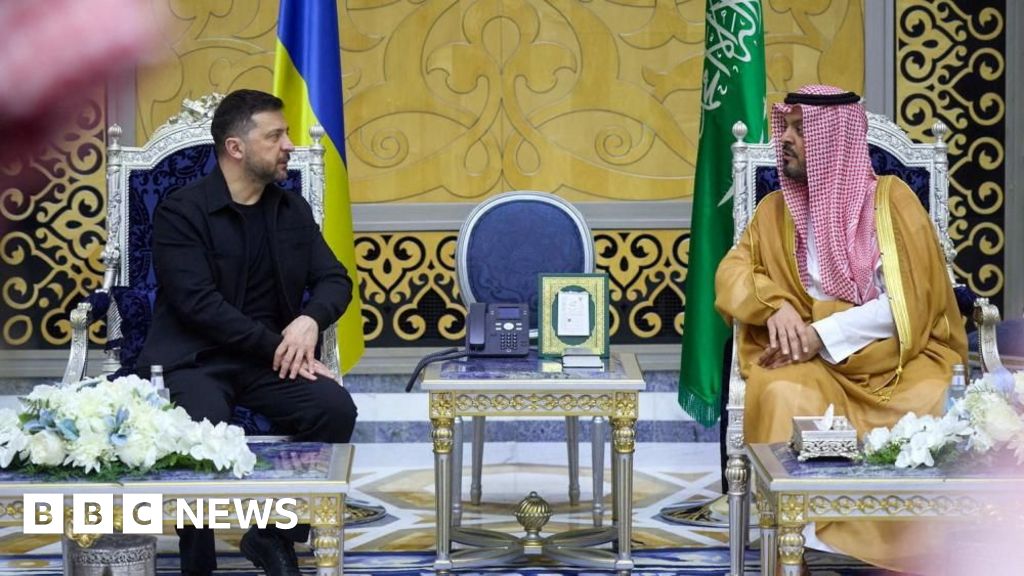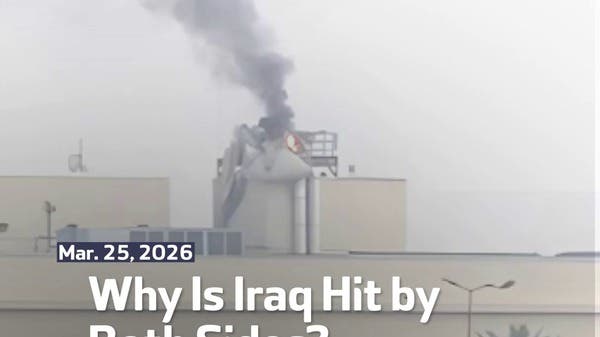

The escalating geopolitical volatility in Iraq, as highlighted by recent cross-border escalations, presents a material risk to the regional investment climate. For sovereign wealth funds and institutional investors with exposure to the broader MENA region, this underscores a persistent premium on political risk that directly influences capital allocation strategies. Major entities such as Saudi Arabia’s Public Investment Fund (PIF) and the Abu Dhabi Investment Authority (ADIA) are likely to recalibrate near-term deployment within higher-risk markets, maintaining a preference for stable Gulf Cooperation Council (GCC) hubs like Riyadh, Abu Dhabi, and Doha, which actively position themselves as secure alternatives for regional and international capital.
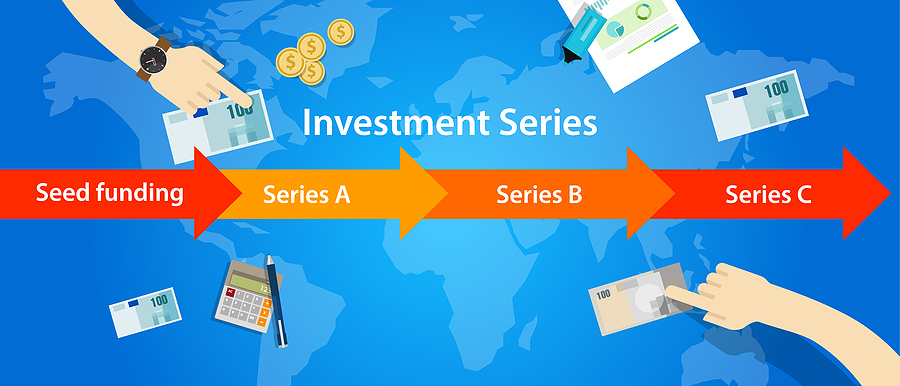
The immediate business impact manifests in heightened risk aversion from foreign direct investment (FDI) and venture capital (VC) circles. International VCs and private equity firms with mandates for the region will institute stricter due diligence filters for any assets or operations with logistical dependencies on Iraqi corridors, whether for energy, trade, or talent. This environment reinforces the strategic bet by Gulf sovereigns on developing self-contained, world-class infrastructure ecosystems—such as Saudi Arabia’s NEOM and the UAE’s various tech and logistics free zones—which are explicitly designed to insulate economic activity from regional instability and attract talent and capital that might otherwise be hesitant.
From an infrastructure perspective, the instability serves as a stark contrast to the GCC’s state-led development model, potentially accelerating divergence. While Iraq’s challenges highlight the vulnerabilities of infrastructure reliant on volatile security conditions, the Gulf’s massive sovereign-backed projects in logistics, renewable energy, and digital networks continue to progress. This divergence may see a re-routing of regional trade and data flows towards the GCC’s controlled environments, further entrenching the economic symbiosis between sovereign capital and large-scale project delivery in the Gulf, at the expense of more fragile frontier markets.
For the institutional investor, the calculus is clear: sovereign capital will continue to be the primary driver of large-scale regional development, acting as a stabilizing anchor. However, its deployment will be increasingly asymmetric, concentrating in markets with stringent security protocols and long-term visionary frameworks. The events in Iraq reinforce the enduring value of the Gulf’s sovereign-led model, where state capital de-risks early-stage ventures and builds the foundational infrastructure necessary for a diversified post-oil economy, thereby creating a more secure environment for later-stage international VC and corporate investment.