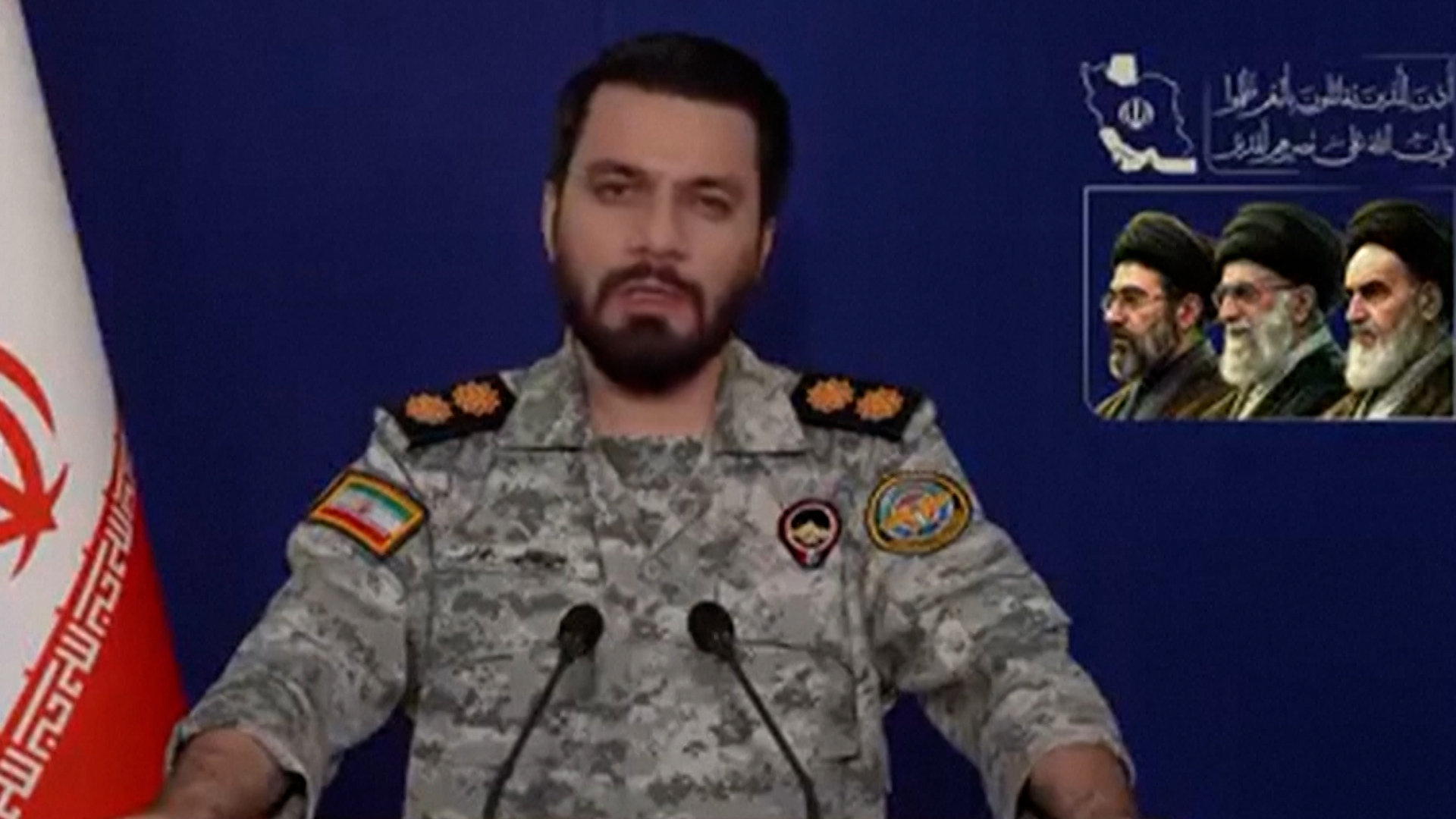

TheIranian Revolutionary Guard Corps’ dismissal of imminent U.S. ground‑force threats, coupled with assertions that Washington “only understands force,” has reintroduced a pronounced geopolitical risk premium across MENA markets. Analysts note that the prospect of a large‑scale U.S. deployment—potentially numbering in the thousands—has already begun to ripple through commodity exchanges, with Brent crude edging upward as traders price in heightened Strait of Hormuz volatility and the likelihood of disrupted oil flows. Sovereign risk spreads for Gulf issuers widened modestly in early trading, reflecting investor caution over the potential for escalation‑driven capital controls or secondary sanctions that could complicate cross‑border Settlements.
Sovereign wealth funds in the UAE, Saudi Arabia, and Qatar are likely to conduct accelerated scenario analyses of their Iranian‑linked exposures, ranging from direct equity stakes in energy ventures to indirect holdings via regional infrastructure conduits. Historically, such funds have demonstrated a propensity to rebalance toward safer, liquid assets—particularly short‑dated treasuries and high‑grade corporate bonds—when regional security tensions intensify. Should the situation deteriorate, we anticipate a temporary pullback of petrodollar recycling into long‑term, illiquid projects, thereby constraining the pool of capital available for megaprojects that rely on sovereign backing, such as NEOM’s linear city or Saudi‑Emirati renewable‑energy interconnectors.
Venture capital and private‑equity activity across the MENA startup ecosystem is poised to feel a cooling effect, especially in sectors perceived as vulnerable to geopolitical shock—fintech, cross‑border payments, and deep‑tech reliant on imported components. Limited partners domiciled in the Gulf are expected to tighten due‑diligence criteria, favoring startups with robust domestic revenue streams or those anchored in jurisdictions with stronger legal protections (e.g., Israel’s tech hub or Cyprus‑registered holding structures). Early‑stage funds may see a shift toward bridge financing and convertible notes, while later‑stage growth capital could be redirected toward defensive plays such as cybersecurity, logistics automation, and domestic‑market‑focused health‑tech.
From an infrastructure standpoint, heightened military posturing threatens the continuity of key trade corridors that underpin MENA’s logistics competitiveness. Projects predicated on uninterrupted passage through the Strait of Hormuz—such as the GCC rail network, the Abu Dhabi‑Dubai Etihad Rail expansion, and the planned Red Sea‑Dead Sea water conveyance—face potential delays in financing approvals as lenders reassess force‑majeure clauses and insurance coverage. Concurrently, heightened defense spending by Gulf states could divert fiscal resources away from civilian infrastructure, creating a temporary crowding‑out effect that may slow the rollout of smart‑city utilities and renewable‑energy grids. Nonetheless, the region’s entrenched commitment to economic diversification suggests that any pullback will likely be tactical, with capital poised to redeploy once the risk outlook stabilizes.