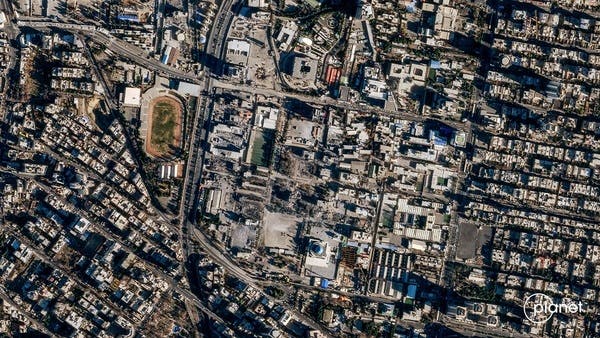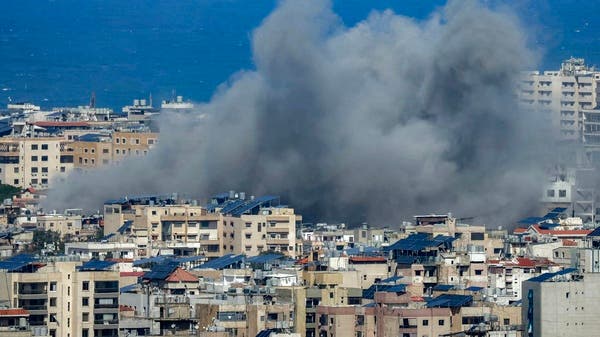

The intensification of hostilities between Israel and Hezbollah in Lebanon presents a significant and escalating risk to regional stability, with profound implications for the Middle East’s financial architecture and technological development. Recent Israeli strikes targeting infrastructure, specifically bridges over the Litani River in southern Lebanon, demonstrate a deliberate strategy to disrupt Hezbollah’s logistical capabilities and restrict its movement – a move likely intended to pressure the group and potentially pave the way for a broader ground operation. This action, coupled with the ongoing exchange of rocket fire and retaliatory strikes, is already impacting Lebanese economic activity, severely curtailing trade and disrupting essential supply chains, particularly in the south of the country.
The sovereign capital landscape within the MENA region is facing unprecedented strain. Lebanon’s already precarious financial situation is deteriorating rapidly, with capital flight accelerating as investor confidence evaporates. Furthermore, the conflict is diverting crucial resources away from reconstruction efforts and exacerbating existing debt burdens. We anticipate increased scrutiny from international sovereign debt restructuring initiatives, potentially leading to more stringent conditions and a protracted period of economic uncertainty. Simultaneously, regional sovereign wealth funds, traditionally focused on long-term investments, are likely to adopt a more risk-averse posture, impacting planned expansions in sectors like renewable energy and digital infrastructure – areas vital for long-term growth across the GCC and North African nations.
Venture capital activity in the region is experiencing a pronounced slowdown. While some investors remain committed to supporting local tech startups, the heightened security risks and economic instability are deterring significant new inflows. Specifically, sectors reliant on cross-border operations – fintech, e-commerce, and logistics – are particularly vulnerable. However, a counter-narrative is emerging, with a surge in interest from Israeli venture capital firms seeking to capitalize on the disruption and invest in resilient, localized solutions. This dynamic highlights a potential bifurcation of the regional tech ecosystem, creating both opportunities and challenges for Lebanese and broader MENA entrepreneurs.
The infrastructural ramifications are substantial. The deliberate targeting of bridges and transportation networks underscores a strategic prioritization of control over movement and supply lines. This necessitates a rapid reassessment of regional infrastructure investment strategies, with a greater emphasis on hardening critical assets against future conflict. Furthermore, the disruption to existing infrastructure will accelerate the need for digital solutions – remote monitoring, drone-based logistics, and secure communication networks – representing a significant growth area for the MENA technology sector. The UNIFIL’s ongoing casualties and the broader humanitarian crisis demand immediate attention to bolstering regional emergency response capabilities, including digital platforms for aid distribution and crisis management, presenting a critical, yet largely unaddressed, technological imperative.