
The assassination of Iran’s intelligence minister by Israel will compel MENA sovereign wealth funds and state investment vehicles to recalibrate regional risk exposures, potentially accelerating capital reallocations toward domestic markets and Western assets while exposing vulnerabilities in Gulf-centric infrastructure dependencies such as energy corridors and digital connectivity hubs. Geopolitical premium valuations will likely harden for GCC-sponsored mega-projects in Iraq and Jordan, with sovereign capital flows increasingly contingent on explicit de-escalation guarantees from security partners. The event underscores the imperative for diversified sovereign capital strategies beyond hydrocarbon revenues, particularly as regional infrastructure financing becomes increasingly politicized.
Regional venture capital ecosystems will face heightened bifurcation, with accelerated exit pressures on technology portfolios exposed to Iranian-linked supply chains while defensibility metrics for cybersecurity and enterprise-grade digital infrastructure providers surge amid heightened state-backed dealflow. MENA-focused VC funds may pivot toward sovereign-backed dual-use technology investments in surveillance-resistant communication networks and autonomous logistics systems, leveraging government commitment papers as de-risking instruments. Early-stage innovation corridors in Saudi Arabia and UAE stand to benefit from geopolitical premium capture, though cross-border integration initiatives face structural headwinds from fragmented security protocols.
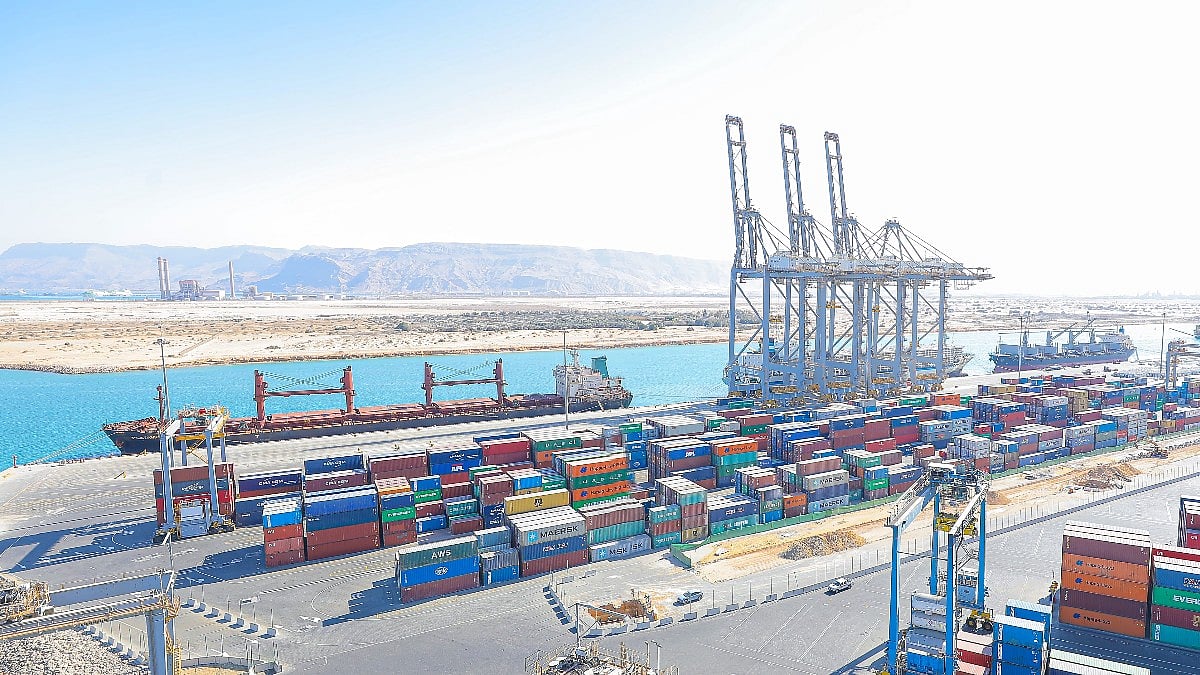
Infrastructure implications extend beyond physical assets to digital sovereignty architectures, as MENA states accelerate localization of cloud infrastructure and subsea cable diversification away from Iranian-controlled nodes. Critical transport corridors connecting GCC markets to Levantine ports require enhanced threat assessments, potentially triggering accelerated public-private partnerships for redundant routing and hardened logistics nodes. Sovereign wealth entities will increasingly factor geopolitical shock resilience into infrastructure asset valuation methodologies, necessitating recalibration of discount rates for cross-border utilities and energy export facilities traversing disputed aerial corridors.