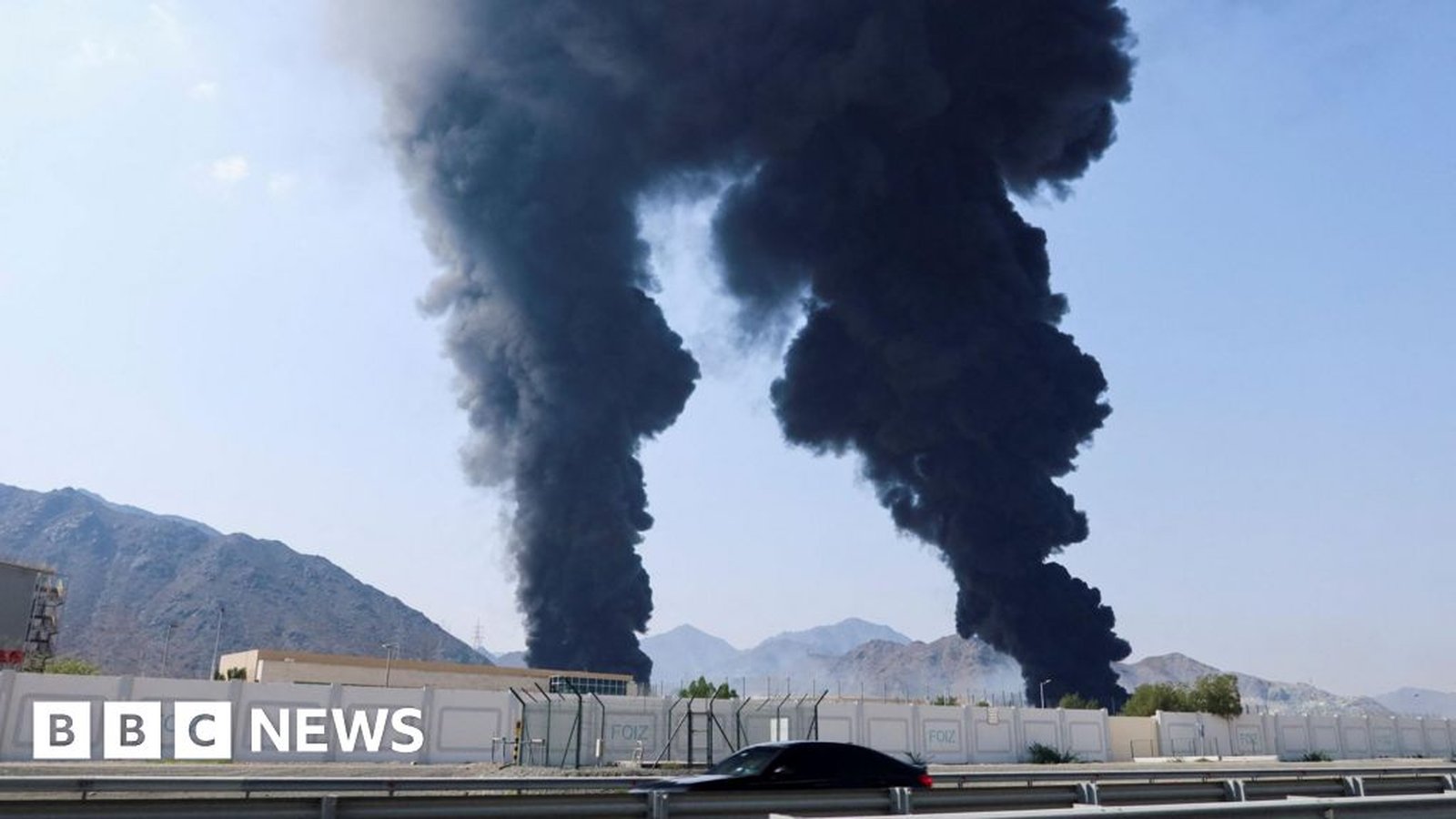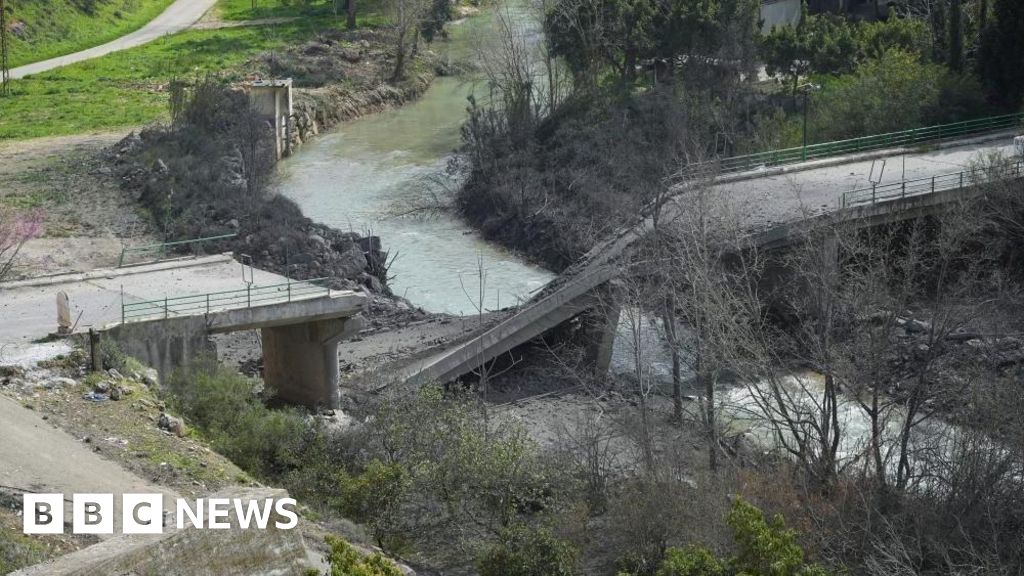

The recent incident in Gaza, marked by a public display of Hezbollah insignia amid rubble, underscores a volatile convergence of geopolitical friction and infrastructural vulnerability that is reshaping investment calculus across the MENA region.
Sovereign wealth funds, notably those of Saudi Arabia and the UAE, are increasingly factoring heightened security risk premiums into their allocation strategies, reallocating capital toward resilient sectors such as renewable energy and digital finance while scaling back exposure to high‑beta construction and real‑estate ventures in contested zones.
Venture capital ecosystems in Beirut, Dubai, and Tel Aviv are experiencing a bifurcated flow of funding: startup founders specializing in cross‑border logistics, analytics, and cybersecurity are attracting limited partner interest as they promise diversification away from politically exposed assets, whereas early‑stage projects tied to physical infrastructure in border regions face heightened due‑diligence scrutiny and delayed disbursements.
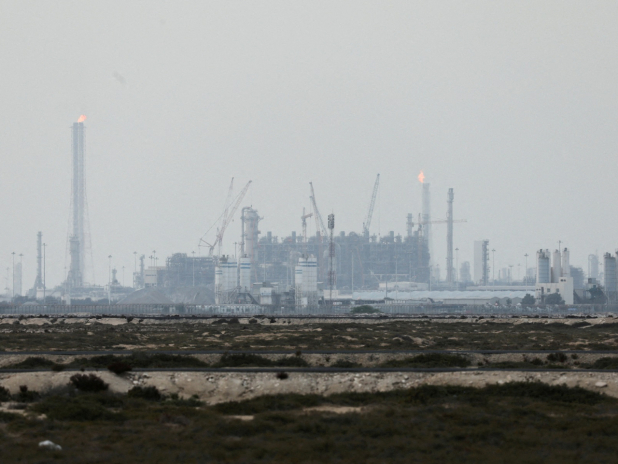
Long‑term implications extend to regional infrastructure roadmaps, where governments are expediting hardening measures for power grids and communications networks to mitigate supply‑chain disruptions. This shift is prompting multilateral development banks to refine financing mechanisms, prioritizing modular, climate‑smart projects that can be rapidly re‑engineered in response to evolving security dynamics, thereby redefining the architecture of capital deployment throughout the Middle East and North Africa.