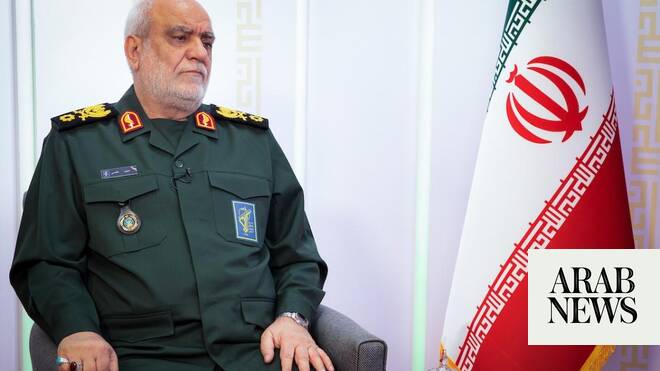

Israel’s intelligence chief announced the lethal targeting of Maj. Gen. Majid Khademi, the head of the Islamic Revolutionary Guard Corps’ Intelligence Organisation, today. The strike, reportedly executed in conjunction with U.S. assets, followed a coordinated campaign that also saw the elimination of Asghar Bagheri, commander of the Quds Force’s Special Operations Unit, on 27 April. Senior Israeli officials condemned the losses as part of a broader effort to degrade Iran’s hostile capabilities.
The ramifications for Iran’s sovereign capital are profound. Khademi’s death removes a seasoned architect of clandestine operations who had orchestrated a wide array of cross‑border attacks. Coupled with Bagheri’s removal, the immediate loss of strategic leadership in key intelligence and special‑operations echelons threatens to disrupt Iran’s funded proxy networks and reduce the state’s effectiveness in influencing regional geopolitics. Iranian military finance, already strained by international sanctions, may now face further constraints as the disruption of its intelligence supply chain narrows avenues for illicit revenue generation.
For the Middle East and North Africa, the U.S.‑Israeli offensive underscores a new phase in security‑economic calculus that directly impacts venture and private‑equity flows. Investable projects in Iran’s petrochemical and steel sectors—pivotal to the regional economy—are at heightened risk, compelling investors to reassess exposure to sovereign risk. Country risk premiums may inevitably rise, widening the discount rates applied by regional venture capital funds and potentially diverting capital toward more politically stable jurisdictions. Moreover, the escalation could throttle telecommunications and critical infrastructure development, prompting a reassessment of risk‑sharing mechanisms among MENA states and a push toward greater regional collaboration on technical infrastructure resilience.
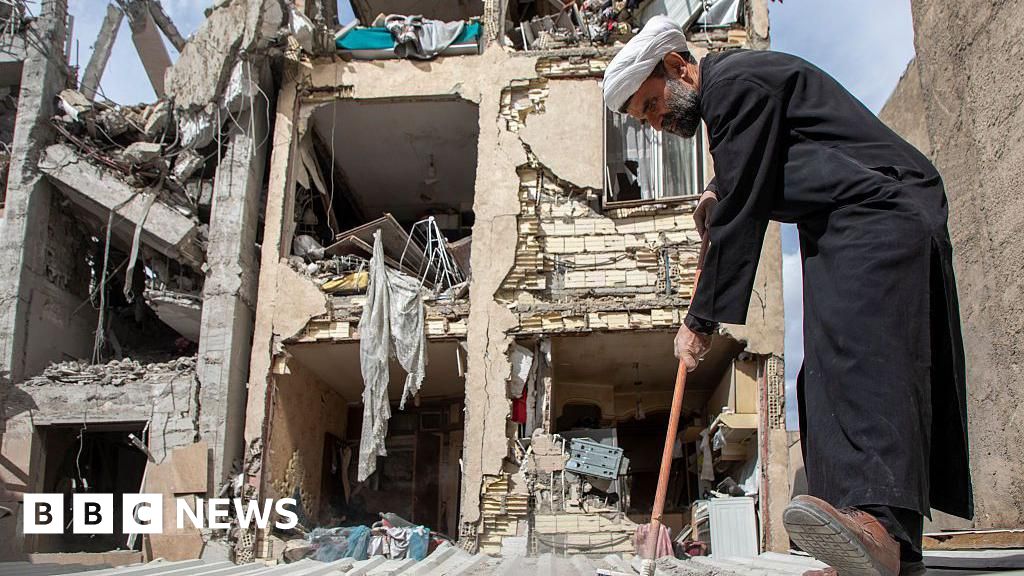
In infrastructural terms, Israeli officials have signalled a sustained campaign aimed at “crushing Iranian national infrastructure,” implying targeted disruptions to pipelines, ports, and steel production hubs. Such actions heighten the likelihood of cascading economic shocks beyond Iran’s borders, necessitating that MENA governments fortify supply‑chain redundancies and secure essential services. The foreign‑policy dynamics of the region will, therefore, increasingly hinge on how states navigate sovereign risk, secure critical infrastructure, and manage venture‑capital flows in an environment of heightened geopolitical volatility.