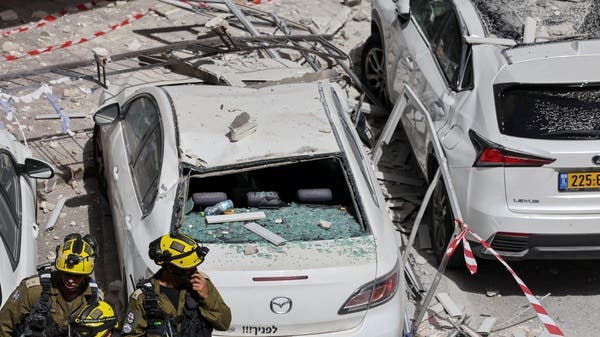

Israel’s recent directive to Iranian civilians to abandon rail travel signals a clear escalation in the conflict’s focus on strategic infrastructure. By targeting rail corridors—critical nodes for the movement of goods and labour—the Israeli Defence Forces are prioritising a war‑of‑attrition that threatens the economic lifelines of a sovereign state. Such an approach amplifies the potential for large‑scale supply‑chain disruptions across the region, extending beyond Iran to its neighbours that rely on the Strait of Hormuz for vital oil and gas exports.
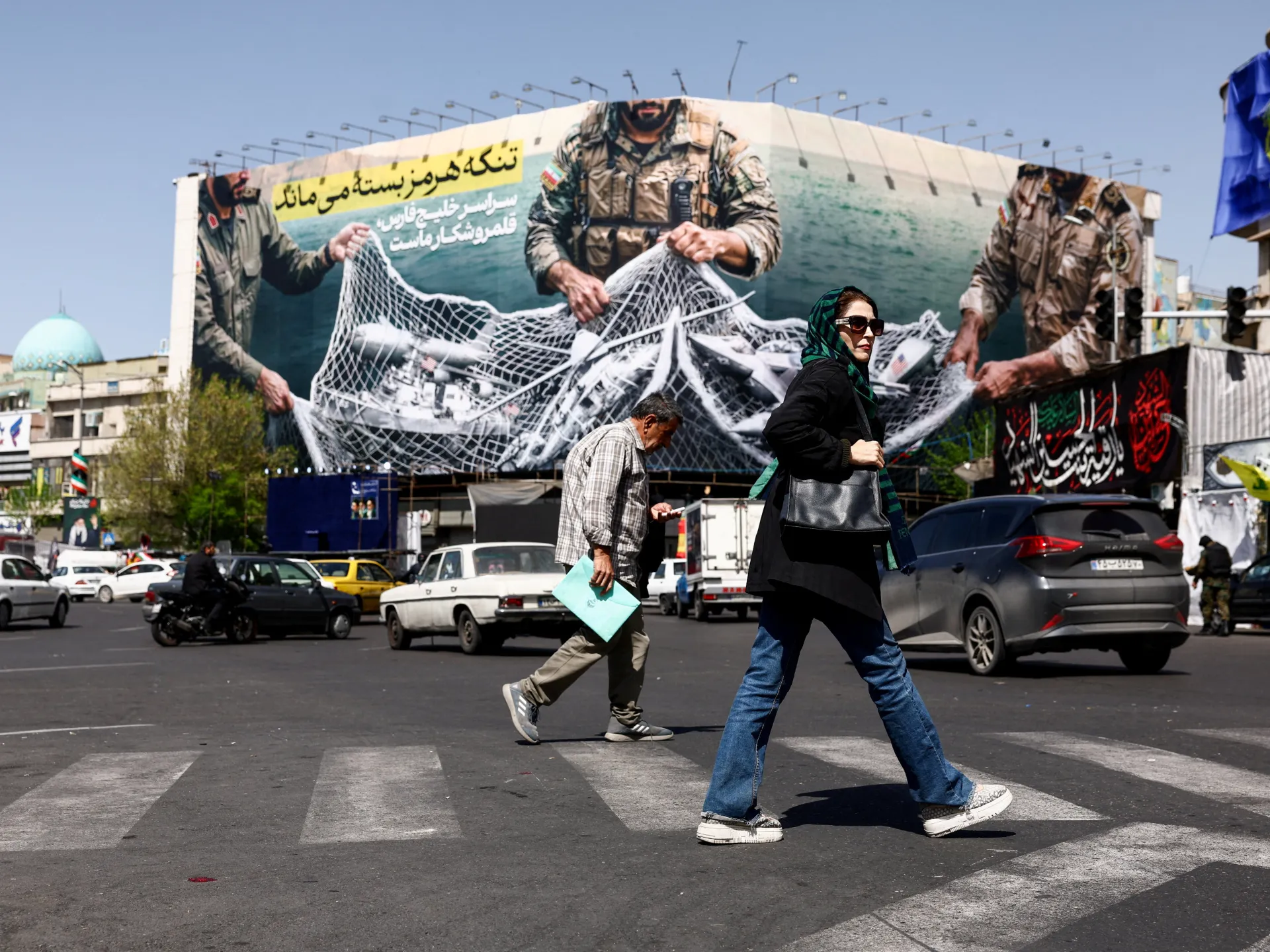
With President Donald Trump threatening a hard‑line approach to force the reopening of the Hormuz waterway, the world’s energy markets are already re‑shifting. The closure has precipitated a sharp rise in global crude prices, forcing MENA‑area economies, many of them oil‑dependent, to tighten fiscal budgets and reassess sovereign debt strategies. Emerging markets in the Gulf, particularly Saudi Arabia and Bahrain, are experiencing a tangible acceleration in capital outflows, while venture‑capital flows into technology start‑ups are being reevaluated due to the heightened risk profile and volatility of regional markets.
The international diplomatic arena is likewise in flux. A pared‑down UN Security Council resolution—now stripped of any reference to the use of force—signals a diplomatic thaw, yet the lingering veto power of Russia and China keeps the outcome uncertain. In the interim, the immediate protection of transport links and critical infrastructure has become a regional priority. Saudi Arabia’s decision to bar traffic across the King Fahd Causeway underscores the breadth of the conflict’s spill‑over, weakening Bahrain’s connectivity with the mainland and jeopardising the operational resilience of U.S. naval forces stationed in the Gulf.
For investors, the business ramifications are stark. Sovereign credit ratings for oil‑rich states could deteriorate further as debt servicing costs rise, while venture‑capital appetites shift towards more resilient, low‑dependency tech sectors. Infrastructure developers must now factor in the dual risks of direct military targeting and geopolitical isolation, which could erode project timelines and cost estimates. In sum, the clash between military strategy and geopolitical objectives is reshaping the financial architecture of the Middle East, compelling a realignment of capital, risk appetite, and long‑term infrastructure planning across the region.