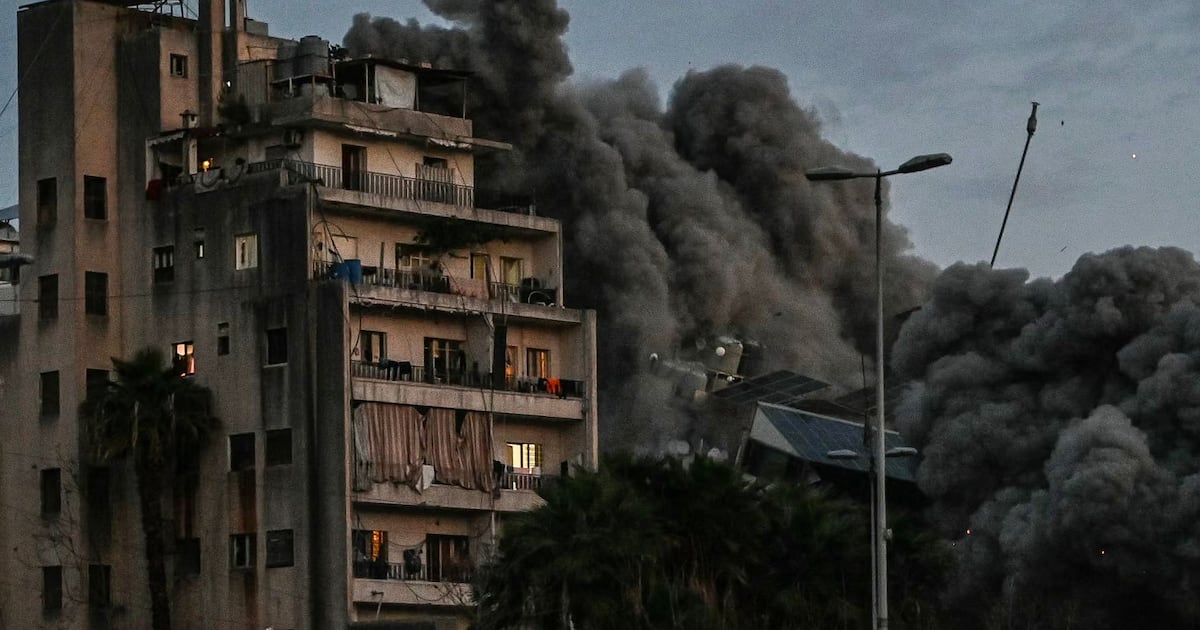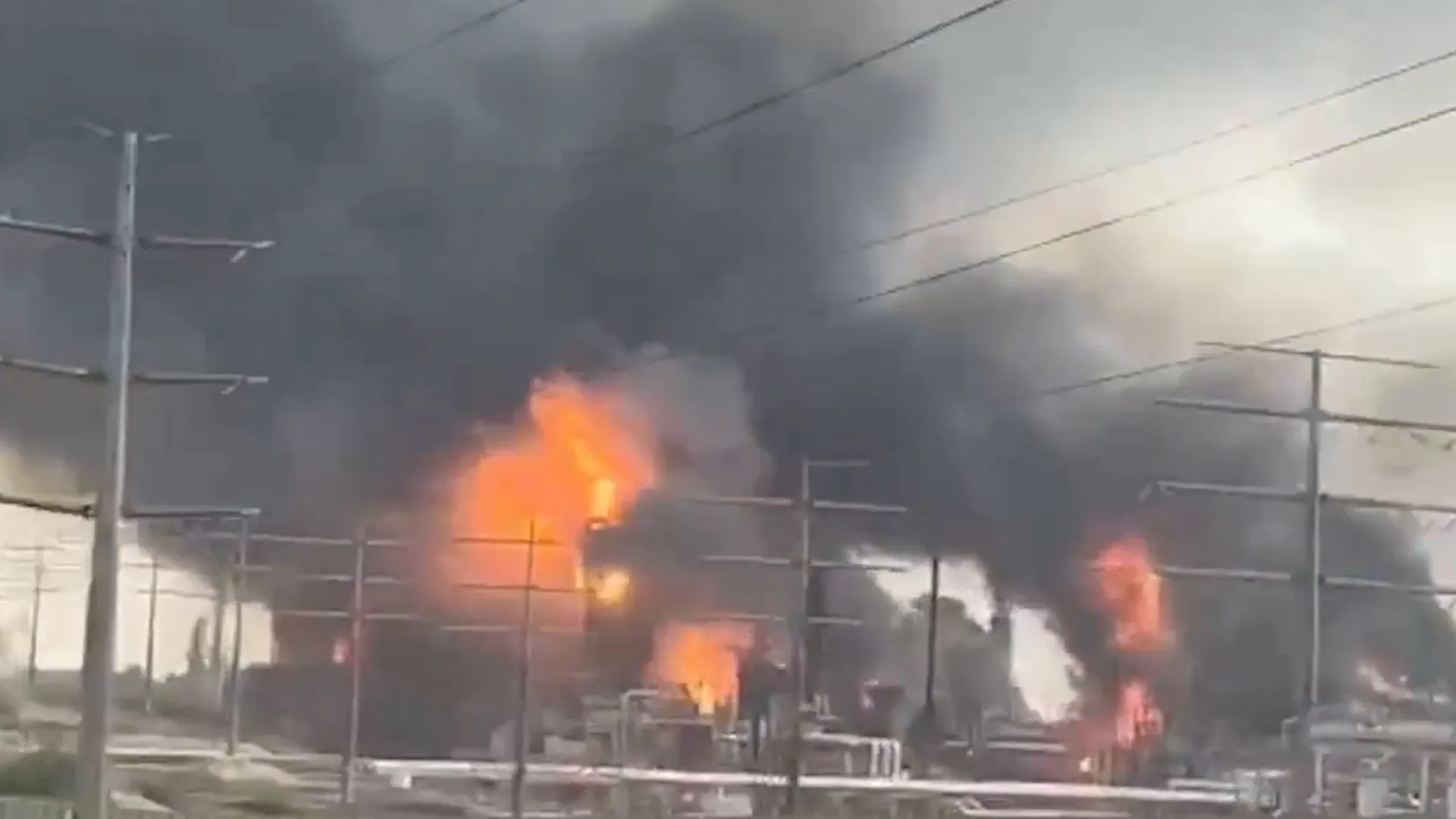

The recent strike by Israeli forces on Iran’s South Pars gas field represents a significant escalation with profound implications for regional capital markets and energy infrastructure investment flows. This deliberate targeting of the world’s largest natural gas development introduces immediate downside risks to global energy supply chains, triggering volatility in sovereign debt markets across the Gulf Cooperation Council (GCC) nations and raising the risk premium on regional infrastructure bonds. Sovereign wealth funds, particularly from Qatar and Abu Dhabi, face complex recalibrations of their energy sector portfolios, with forced defensive allocations away from Iranian assets and heightened scrutiny of regional transport and power grid vulnerabilities. Venture capital activity in MENA’s burgeoning tech and fintech sectors is likely to experience a period of constrained deployment, as geopolitical uncertainty dampens appetite for high-growth startups reliant on regional energy stability and cross-border connectivity.
Long-term sovereign capital commitments to large-scale infrastructure projects across the MENA region, particularly those underpinned by energy revenues, face headwinds. The explicit Iranian threat to retaliate against Gulf energy facilities creates a systemic risk environment that will necessitate significant capital reallocation towards infrastructure hardening and resilience enhancement. This will divert sovereign funds planned for diversification initiatives into security upgrades for critical national assets, including power grids, desalination plants, and digital communication networks. Consequently, sovereign wealth funds must reassess their strategic capital allocation models, prioritizing projects offering geopolitical resilience over pure economic return, thereby altering the region’s long-term infrastructure investment trajectory.
From a venture capital perspective, this geopolitical shock compounds existing regional headwinds for startups operating in logistics, renewable energy, and digital infrastructure. Fundraising pipelines for MENA-focused VC funds will experience delays as institutional investors adopt a more risk-averse stance, demanding enhanced geopolitical risk mitigation strategies from portfolio companies. The operational environment for regional tech enterprises reliant on cross-border data flows or physical logistics through the Strait of Hormuz becomes markedly more precarious, with potential disruptions to cloud infrastructure and supply chain technology platforms. This environment necessitates a strategic pivot towards business models demonstrating inherent resilience and operational contingency planning, fundamentally shifting the MENA tech investment thesis towards de-risking and localization.