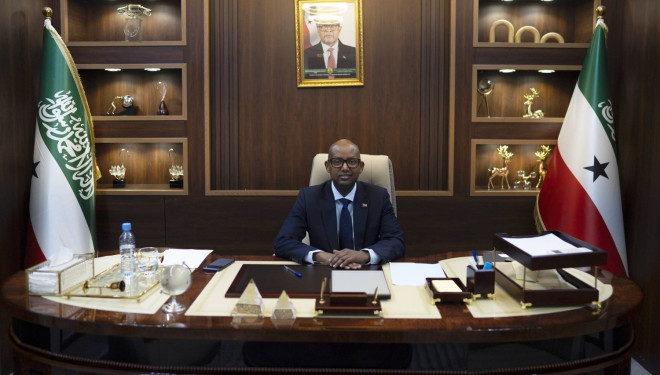

The burgeoning strategic alignment between Israel and Somaliland, formalized through recent diplomatic recognition, represents a significant geopolitical and economic development with far-reaching implications for the Middle East and North Africa. Bloomberg’s reporting indicates Israel is actively exploring the establishment of a military presence in Somaliland, ostensibly to counter the escalating threat posed by the Houthi movement in Yemen. This initiative, driven by concerns over maritime security and the potential for Houthi attacks targeting Red Sea shipping and Israeli interests, underscores a broader realignment of regional power dynamics and highlights the increasing role of non-state actors in shaping security landscapes.
From a business perspective, the potential Israeli base in Somaliland carries substantial sovereign capital investment implications. The UAE’s existing infrastructure investments in Berbera, including port operations managed by DP World, create a pre-existing framework for expanded development. Increased security guarantees, contingent upon the establishment of a military presence, would undoubtedly attract further foreign direct investment, particularly from Western nations seeking alternative logistical routes and security partnerships outside traditional channels. Venture capital firms focused on cybersecurity, intelligence gathering, and maritime defense are likely to view this region as a burgeoning opportunity, driving innovation and potentially creating new revenue streams.
However, the move is fraught with political risk. Somalia’s vehement opposition to Israel’s recognition of Somaliland, coupled with broader regional tensions involving Iran and the United States, introduces considerable instability. The potential for escalation within the Horn of Africa is palpable, demanding careful diplomatic management. Furthermore, the operationalization of any military facility necessitates robust infrastructure upgrades – beyond the existing UAE investments – to accommodate logistical support, personnel, and advanced surveillance capabilities. Somaliland’s limited institutional capacity and ongoing security challenges will require significant external assistance to ensure the long-term viability of such a venture.
Ultimately, Israel’s strategic pivot towards Somaliland reflects a calculated response to evolving regional threats and a desire to diversify its operational footprint. The ramifications extend beyond immediate security concerns, impacting the broader landscape of sovereign investment, regional alliances, and the delicate balance of power in the Horn of Africa. The long-term success of this arrangement hinges on navigating complex political sensitivities, fostering sustainable economic development within Somaliland, and mitigating the inherent risks associated with operating in a volatile and contested geopolitical environment.