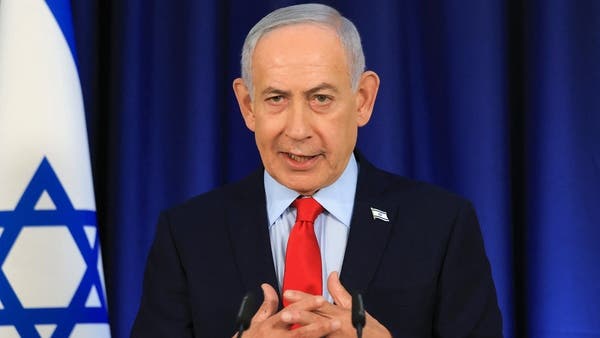

Israel’s recent military escalation against Gaza, coupled with strikes on Iran and Lebanon, underscores a deepening regional instability with profound implications for the financial and technological ecosystems of the Middle East and North Africa (MENA). The sustained violence threatens to erode investor confidence, particularly in markets already grappling with macroeconomic volatilities and geopolitical uncertainties. Sovereign capital flows, critical for regional development and debt servicing, may face headwinds as risk aversion amplifies among Gulf Cooperation Council (GCC) states and international investors. This could trigger a reallocation of sovereign wealth fund assets toward safer havens, exacerbating capital shortfalls in high-risk jurisdictions. Furthermore, the instability poses a direct threat to venture capital (VC) ecosystems in MENA, where both Israel and several Gulf states have cultivated robust startup ecosystems. Prolonged conflict disrupts operational continuity, diverts attention from long-term economic priorities, and dampens appetite for high-risk equity investments in sectors like fintech and climate tech. The spillover effects into Lebanon, a budding VC hub, could stifle early-stage innovation and deter foreign capital from pooling resources in the region.
The impact on regional infrastructure projects is equally concerning, as sustained hostilities risk derailing large-scale public-private investments tied to energy, transportation, and digital connectivity. Countries in the MENA have increasingly relied on foreign direct investment (FDI) to modernize aging infrastructure, but the current environment of uncertainty may lead to suspended timelines or adjusted scopes for projects dependent on stable political climates. For instance, Gulf states’ ambitious smart city initiatives or regional power grids could face scrutiny amid heightened security concerns. Additionally, the conflict’s indirect economic fallout—such as disrupted supply chains and rising protectionism—may compel governments to reprioritize infrastructure spending toward security-related assets rather than growth-oriented sectors. In the long term, this reallocation could hinder MENA’s ambition to position itself as a global tech and innovation corridor.
Strategically, the current crisis may catalyze a reevaluation of investment resilience frameworks across the region. Sovereign entities might explore diversifying capital sources beyond traditional Western channels, potentially revitalizing intra-regional financial partnerships. Meanwhile, VC firms may target micro-markets within the GCC or Maghreb, where localized stability could offset broader regional instability. However, this shift requires careful calibration to avoid displacing investments from already vulnerable areas like Lebanon or Yemen. For technologically driven growth, the conflict also underscores the urgency of building decentralized infrastructure, such as satellite or submarine fiber networks, to mitigate vulnerabilities to geopolitical shocks. Without a swift de-escalation, the MENA region risks a bifurcated financial landscape—where capital clusters in secure zones while innovation and infrastructure development stall in conflict-affected regions.