
The escalation of hostilities between Israel and Iran has intensified pressures on sovereign capital across the Middle East and North Africa (MENA), as the region grapples with destabilized energy markets, disrupted trade routes, and heightened geopolitical risks. The conflict has reignited debates over the sustainability of oil-dependent economies, with crude prices surging over 40% since the war began, as attacks on petroleum infrastructure in the UAE and southern Iraq exacerbate global supply concerns. Sovereign entities in the region face mounting challenges in securing financing, as heightened volatility deters institutional investors and complicates fiscal policies. Moreover, the war’s spillover into the Strait of Hormuz—where a fifth of global oil transits—has underscored the vulnerability of energy trade, prompting a reevaluation of sovereign strategies to diversify away from fossil fuels while mitigating immediate shocks.
The venture capital landscape in MENA is experiencing a stark bifurcation, with high-profile tech hubs like Dubai and Tel Aviv witnessing a surge in defense-related investments, juxtaposed against a contraction in early-stage funding for non-strategic sectors. Firms tied to critical infrastructure, cybersecurity, and energy security are attracting capital, reflecting the region’s pivot toward resilience. However, the broader ecosystem is under strain, as uncertainty deters risk-taking and forces startups to prioritize survival over innovation. The war’s impact on cross-border collaboration and talent exportation further complicates the region’s trajectory in global technological competitiveness, amplifying calls for state-led initiatives to stabilize domestic ecosystems amid external shocks.
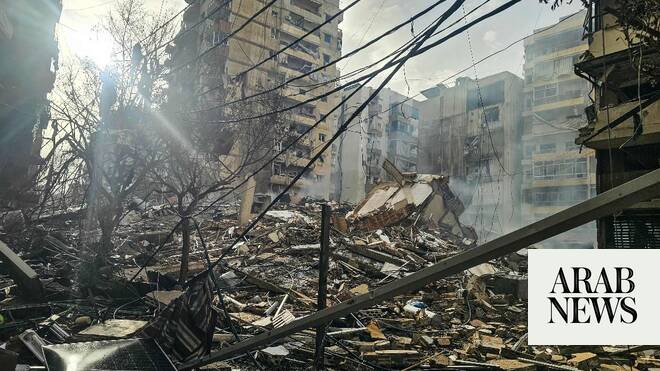
Regional infrastructure, long a linchpin of MENA’s economic identity, is both a battleground and a victim of the conflict. Repeated strikes on oil facilities, ports, and transit routes in Iraq, Lebanon, and the Gulf have crippled critical nodes of connectivity, while the destruction of civilian assets in Hezbollah strongholds highlights the human and economic cost of prolonged hostilities. The strain on public infrastructure underscores the urgent need for sovereign investment in adaptive systems, from decentralized energy grids to hardened logistics networks. As the conflict reshapes geopolitical alliances, the imperative to modernize MENA’s infrastructure—through both private-sector partnerships and multilateral frameworks—gains urgency, balancing immediate crisis response with long-term strategic imperatives.