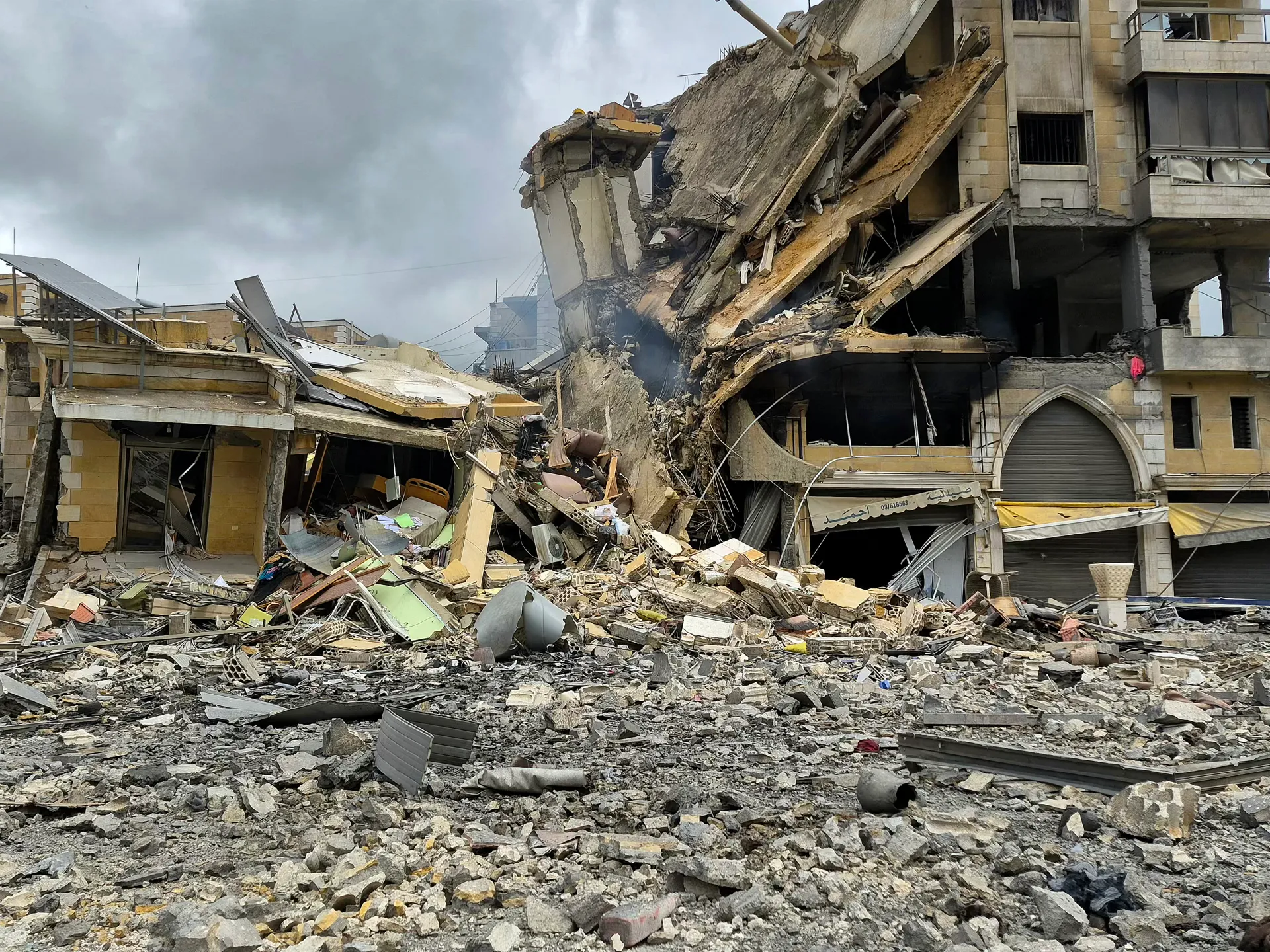

The latest Israeli air campaign against southern Lebanon and Beirut is accelerating a systematic dismantling of critical transport corridors and urban nodes, a development that threatens to reverberate through MENA’s sovereign balance sheets and private‑equity pipelines. By targeting bridges and key arterial routes, Israel is not merely applying pressure on Hezbollah but is deliberately truncating the logistical lifelines that underpin the region’s $200 bn‑plus sovereign‑wealth portfolios and the logistics‑intensive operations of multinational corporates that rely on unhindered freight flows across the Levant.
From a sovereign‑capital perspective, the destruction of infrastructure raises the fiscal break‑even threshold for Lebanon’s already strained budget, compelling the Ministry of Finance to consider additional external financing or contingent debt instruments to fund reconstruction and to service existing liabilities. Credit rating agencies are likely to view these disruptions as heightened systemic risk, potentially triggering rating downgrades that could curtail the flow of foreign‑direct investment (FDI) into the country’s energy, banking and real‑estate sectors, which have historically served as anchor assets for regional sovereign funds.
Venture and growth‑stage capital in the broader MENA ecosystem is also poised to feel the shockwaves. Start‑ups operating in logistics, tele‑communications and fintech—sectors that have attracted $3‑4 bn of VC funding over the past two years—may encounter supply‑chain bottlenecks and heightened security costs, prompting investors to reassess the risk‑adjusted returns of assets exposed to the Levantine corridor. This could depress fund valuations and tighten LP gate‑keeping, especially for funds with a regional thesis that leans heavily on cross‑border connectivity.
Finally, the broader regional infrastructure narrative is shifting from a focus on growth and diversification to one of resilience and contingency planning. Governments and multilateral development banks are expected to prioritize funding for hardened transport assets, redundant energy grids and fortified communications networks, thereby reshaping the allocation of sovereign‑capital portfolios toward defense‑adjacent assets and away from traditional growth‑oriented sectors. The net effect will be a recalibration of investment strategies across the MENA bloc, with long‑term implications for asset pricing, risk premiums and the spatial distribution of economic activity.