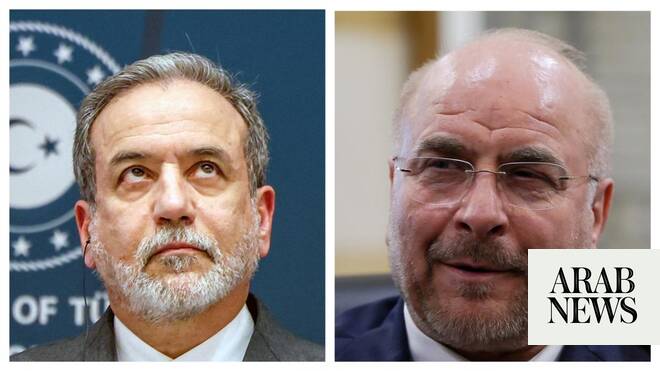

The recent diplomatic intervention by Pakistan to temporarily shield senior Iranian officials from targeting has triggered an immediate, if tentative, recalibration of regional risk assessments among sovereign wealth funds and institutional investors. This signals a potential inflection point for capital allocation across the Middle East and North Africa, where over $2.5 trillion in sovereign assets under management has been historically defensive, favoring U.S. Treasuries and European equities over regional infrastructure and technology ventures due to persistent geopolitical volatility. A sustained de-escalation pathway would logically compel funds such as Saudi Arabia’s Public Investment Fund (PIF) and the Abu Dhabi Investment Authority (ADIA) to revisit their strategic overweighting of offshore safe-haven assets, with a view to progressively redirecting capital toward high-impact, domestically anchored projects in energy transition, digital infrastructure, and logistics that have been delayed by regional security premiums.
For the region’s venture capital and private equity ecosystem, the implications are profound. The current MENA startup landscape, concentrated in the GCC and Egypt, has been constrained by a clear demarcation: investments flow freely within jurisdictions perceived as stable, while Iran’s vast, tech-savvy population and advanced sectors like fintech and agritech remain isolated. The opening of a diplomatic channel, even if mediated, creates a plausible scenario for the gradual normalization of financial correspondent relationships and the potential unlocking of Iranian entrepreneurial capital. This could see Gulf-based VCs, which raised a record $3.2 billion in 2025, begin exploratory scouting in Tehran, while pan-regional funds may structure cross-border vehicles to capitalize on arbitrage opportunities in talent and innovation, provided a sanctions relief framework emerges from the proposed U.S.-Iran dialogue.
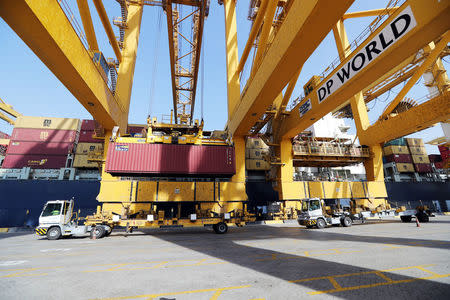
Long-term infrastructure planning across the MENA corridor faces its most significant re-pricing in a decade. Mega-projects from Saudi Arabia’s NEOM to the UAE’s Etihad Rail are predicated on a stable regional environment to achieve their integrated, transnational visions. A durable thaw in U.S.-Iran relations would immediately resurrect feasibility studies for long-dormant connectivity initiatives, such as the Iran-Pakistan-India gas pipeline and the International North-South Transport Corridor, integrating Iranian ports like Chabahar with GCC logistics networks. Sovereign capital, which has previously shied away from such projects due to political risk insurance costs, would likely reassess their risk-return profiles, potentially partnering with multilateral development banks and Chinese Belt and Road entities to co-finance a new wave of physical and digital infrastructure that could reconfigure supply chains between Europe, Asia, and Africa.