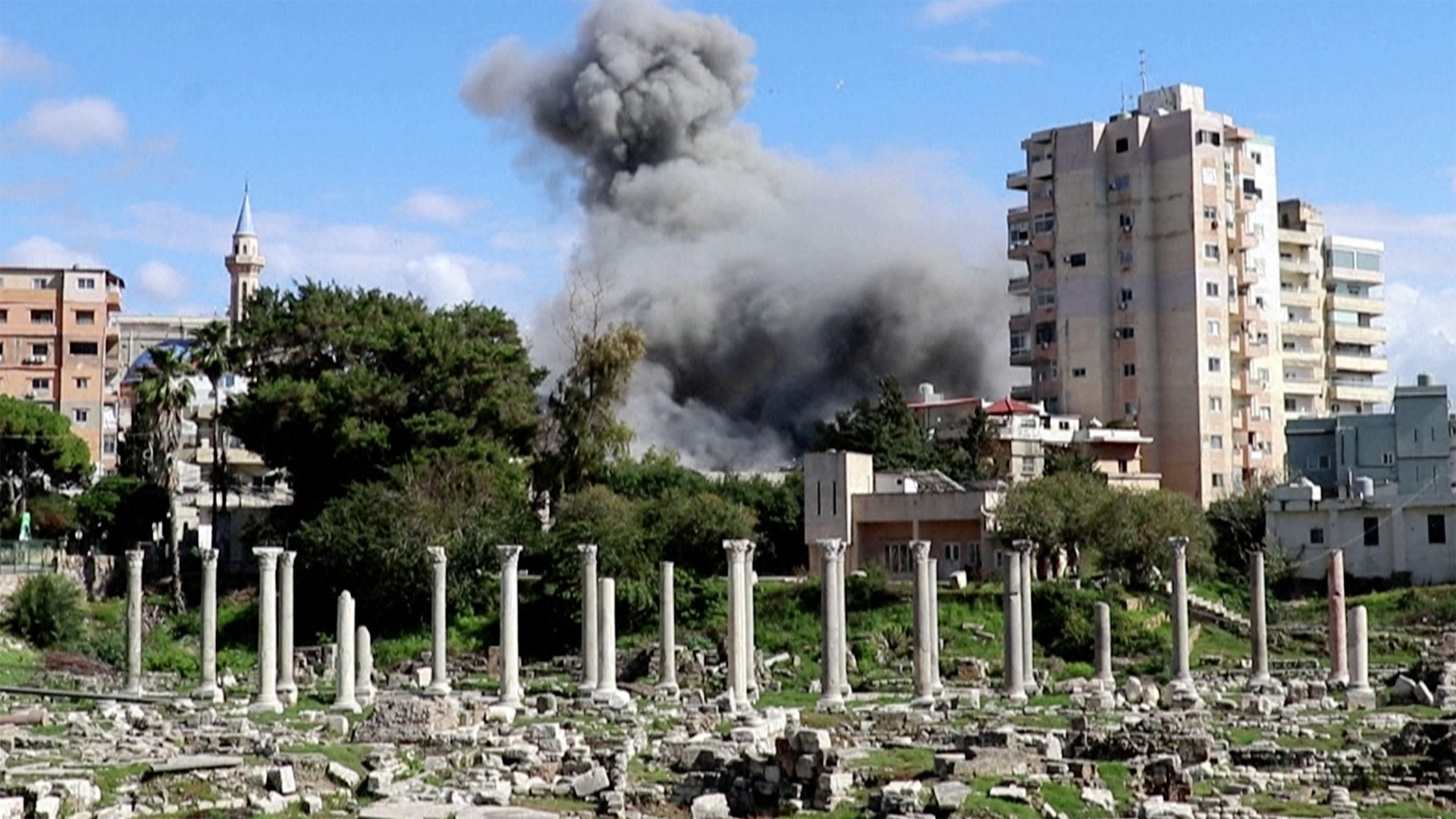

The destruction of historical sites in Lebanon following recent Israeli strikes underscores the fragility of cultural and economic infrastructure in the MENA region, a area historically reliant on cross-sector resilience amid geopolitical volatility. While the immediate humanitarian toll dominates headlines, the covert business implications for investors are profound: prolonged conflicts deter capital inflows into sectors like tourism, real estate, and logistics, which hinge on stable regional conditions. Lebanon’s UNESCO World Heritage sites, including Tyre, serve as economic linchpins for specialized funds and SMEs tied to heritage preservation and cultural tourism, sectors already strained by inflationary pressures and capital flight. Such disruptions amplify sovereign risks, spooking institutional investors calibrated to MENA’s oil-linked volatility but unprepared for asymmetric warfare’s collateral damage to legacy industries.
Sovereign capital’s role in mitigating these risks remains contested. Gulf states, now Lebanon’s largest aid donors, face a dual calculus: balancing humanitarian support with maintaining leverage in Beirut’s political stalemate, while avoiding the appearance of propping up failing institutions. This tension is acute as sovereign wealth funds like Saudi Arabia’s PIF prioritize regional logistics hubs (e.g., Red Sea ports) and renewable energy projects over contentious cultural investments. Meanwhile, venture capitalists, historically sidelined by MENA’s sovereign-driven macroeconomic policies, are increasingly bypassing the region post-2023, favoring Gulf Cooperation Council economies where regulatory stability and privatization incentives align with tech-driven growth narratives. The absence of Lebanese startups from global accelerator cohorts like Y Combinator further reflects this investor exodus.
Regional infrastructure gaps expose systemic vulnerabilities. Lebanon’s electricity grid, partly reliant on aging diesel imports, exemplifies how underinvestment cascades into economic fragility—recent strikes damage not just ruins but critical power infrastructure, exacerbating liquidity crises. Conversely, MENA’s push to attract ESG-focused sovereign capital has spurred public-private partnerships in resilient infrastructure: Jordan’s solar farms and Morocco’s nuclear initiatives exemplify models blending geostrategic utility with investor ESG mandates. However, such transitions hinge on state capacity to de-escalate conflicts, as recurring strikes in Lebanon and Gaza deter long-term capital allocations. Regional bodies like the Arab League remain sidelined, with EU and Gulf investors favoring bilateral deconfliction frameworks that sidestep multilateral red tape.
The broader implication: MENA’s historical role as a crossroads for trade and energy now hinges on resolving asymmetric warfare’s macroeconomic externalities. Privatization efforts in telecoms and transport—key enablers for venture capital—are stalling amid sabre-rattling, while sovereign debt restructurings in Egypt and Sudan divert attention from infrastructure deficits. Without institutional clarity, sovereign capital will continue prioritizing “nearshoring” in GCC states over strained MENA core economies. The Tyre incident thus symbolizes a shifting investor sentiment: from assuming stasis to recognizing the existential risks of unmanaged conflict to regional growth trajectories.