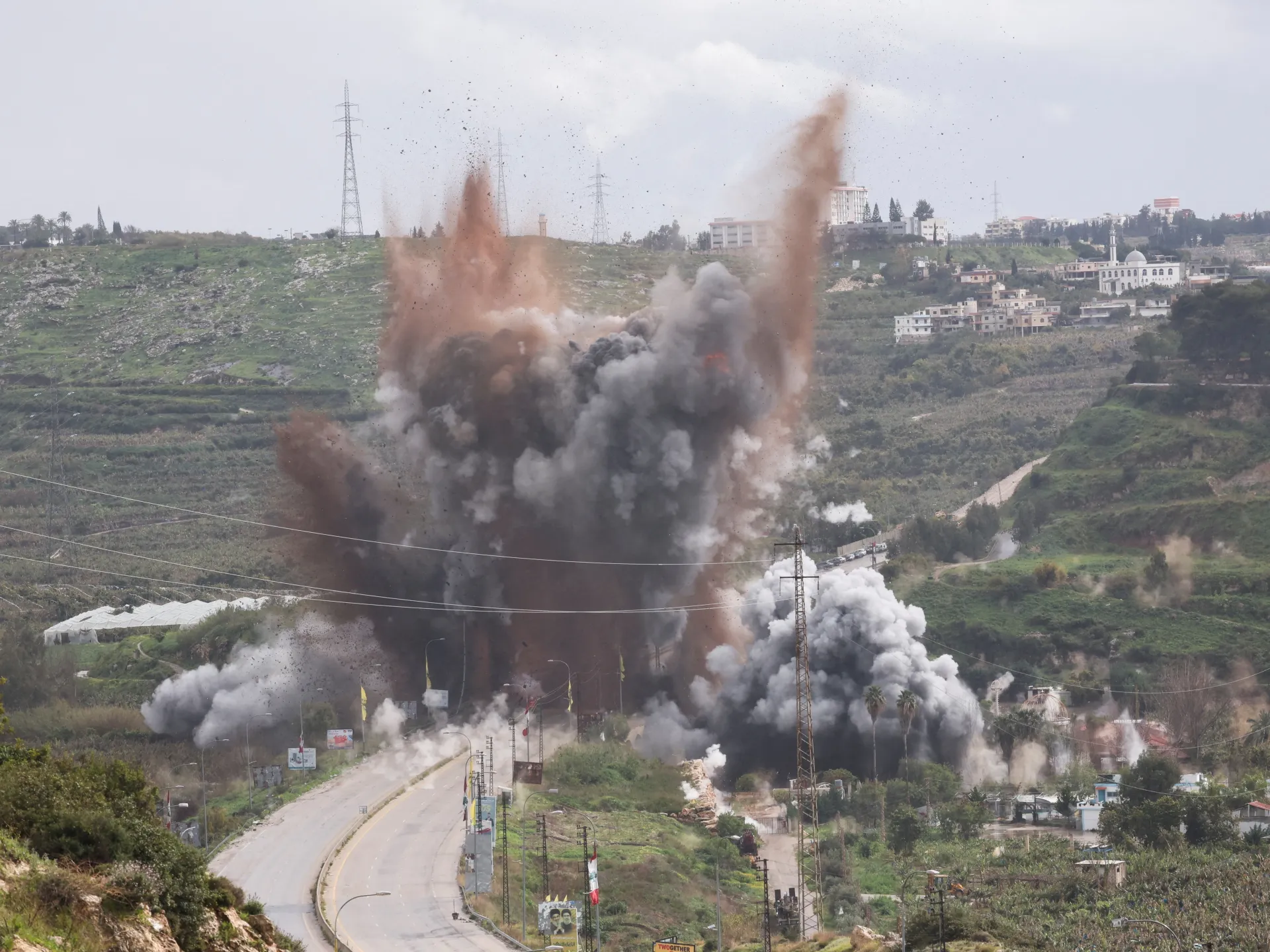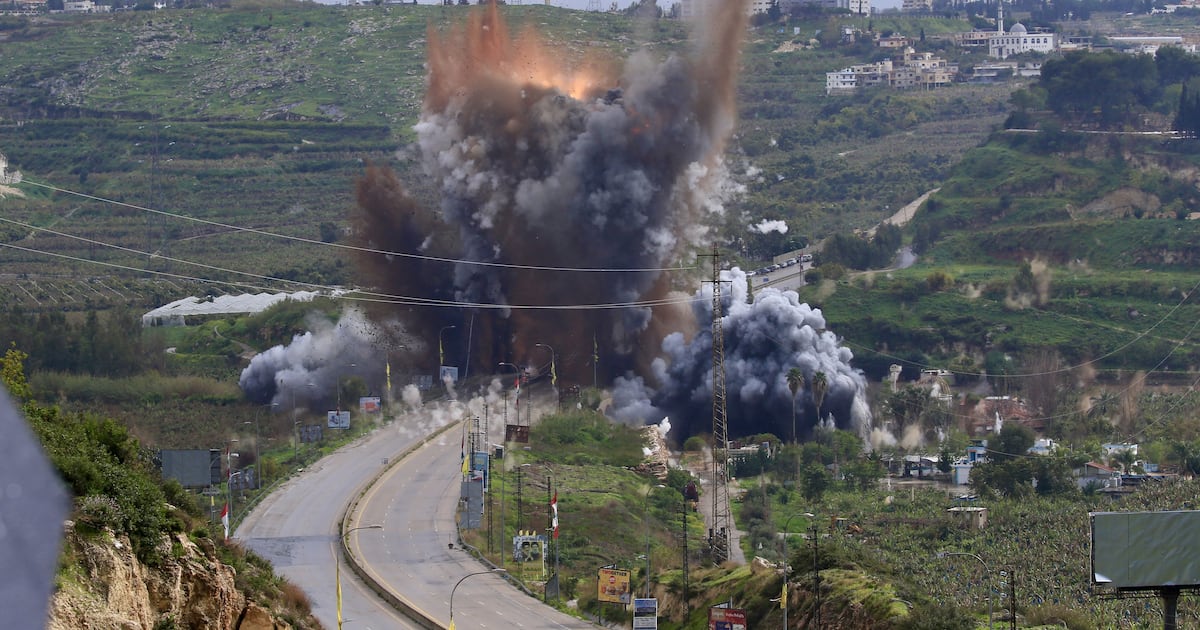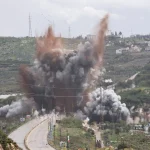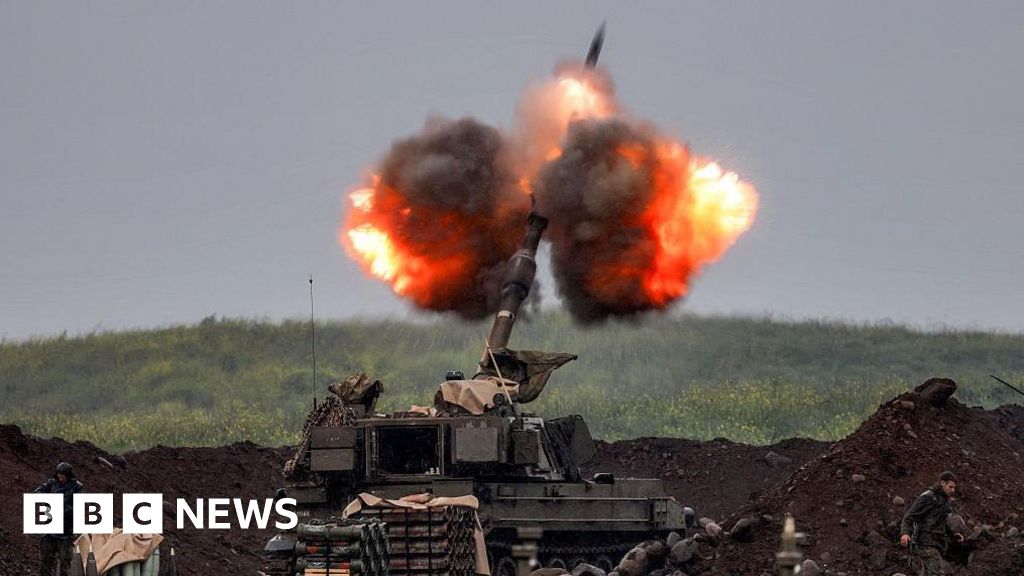

The escalation in Israeli militaryoperations against Hezbollah in Lebanon presents significant financial and geopolitical implications for the Middle East and North Africa (MENA) region, particularly concerning sovereign capital flows, venture capital realignment, and critical infrastructure pressures. While the immediate aim remains the protection of northern Israeli communities from asymmetric attacks, the prolonged nature of these operations introduces substantial uncertainty into regional markets and sovereign risk assessments, potentially affecting investment decisions and capital allocation across the Levant.
This military engagement will likely trigger a realignment of venture capital (VC) funding towards the region’s burgeoning defense and security technology sectors. Israeli defense contractors, already pivotal within the Israeli defense-industrial base, will see heightened demand for advanced technologies—including cyber warfare solutions, autonomous systems, and fortified infrastructure systems. Concurrently, regional VC firms may shift focus towards supporting companies developing counter-rocket and artillery defense systems (C-RAM), electronic warfare capabilities, and resilient communications networks, reflecting a strategic pivot driven by heightened regional tensions.
Furthermore, the operational tempo exacerbates pre-existing strain on critical infrastructure in both Lebanon and Israel. Transportation networks near the border face increased risk, potentially disrupting supply chains and logistics within the northern Levant. Infrastructure investments, particularly in border security, hardened facilities, and rapid response systems, will experience accelerated deployment and funding, diverting capital from other regional development priorities. This dynamic underscores the increasing intersection of geopolitical conflict and long-term infrastructural development within the MENA context.
Consequently, regional economic stability is further challenged. The sovereign risk premium associated with Lebanon and Israel could widen, affecting sovereign bond yields and foreign exchange reserves. Regional stability, already fragile, faces renewed pressure, potentially constraining cross-border trade and investment flows. Investors will now factor in the heightened probability of military conflict and its cascading effects on market access and economic diversification efforts across the broader MENA landscape.