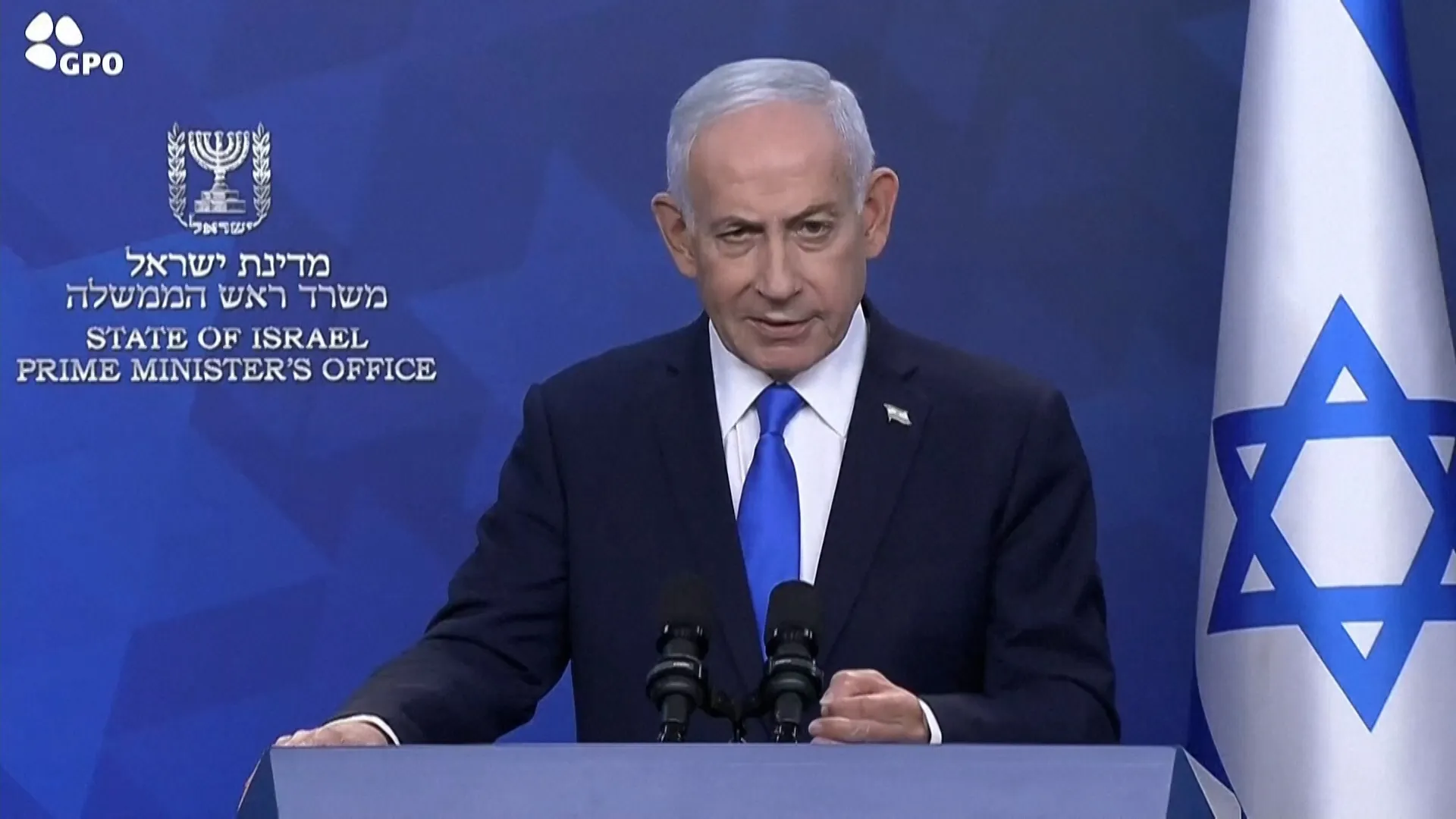

The Lebanese government’s unprecedented offer to engage in direct negotiations with Israel represents a material shift in the region’s geopolitical calculus, with immediate and profound implications for sovereign capital allocation and regional risk assessment. For years, Lebanon’s political paralysis and fiscal collapse have rendered it a pariah in global investment circles, trapping its sovereign wealth and international reserves and deterring bilateral aid. This overture, however tentative, signals a potential recalibration that could unlock dormant sovereign capital from Gulf Cooperation Council states and multilateral institutions, contingent on tangible progress. Investors will scrutinize Israel’s muted response not merely as a diplomatic snub, but as a key indicator of whether regional stability—a prerequisite for any meaningful economic re-engagement—can be credibly achieved, directly impacting Lebanon’s ability to restructure its sovereign debt and access future financing.
For venture capital and technology ecosystems across the Levant, the implications are both catalytic and conditional. A normalized state-to-state relationship could theoretically pave the way for Israeli deep-tech, agritech, and cybersecurity firms to formally enter the Lebanese market, and vice versa, creating a new corridor for innovation and capital flow. However, this potential is entirely hostage to domestic political consensus in Beirut—particularly the integration of Hezbollah’s military and political calculus—and Jerusalem’s strategic patience. The more immediate and probable near-term outcome is a cautious repositioning of regional VCs, who may begin to price in a lower geopolitical risk premium for the entire eastern Mediterranean, potentially benefiting tech hubs in Cyprus, Jordan, and even the Palestinian territories as part of a broader integration play.
The most consequential long-term business impact lies in the domain of regional infrastructure and cross-border economic corridors. Lebanon’s chronic energy, water, and port infrastructure deficits have been a drag on north-south trade and regional connectivity. Any diplomatic thaw could resurrect dormant plans for integrated electricity grids, water management projects, and logistics hubs linking the Mediterranean to the Gulf via Iraq and Jordan. Sovereign wealth funds, particularly from Abu Dhabi and Riyadh, are already actively scouting for stabilization-focused infrastructure plays; a credible Lebanon-Israel track would materially alter their risk-reward matrix for such investments. Ultimately, this development must be viewed as one variable within a complex matrix of regional realignment; its success in altering the business landscape depends less on the initial offer and more on the convergence of U.S. diplomatic pressure, Gulf economic statecraft, and internal political will to transform a diplomatic overture into a tangible, bankable framework for regional integration.