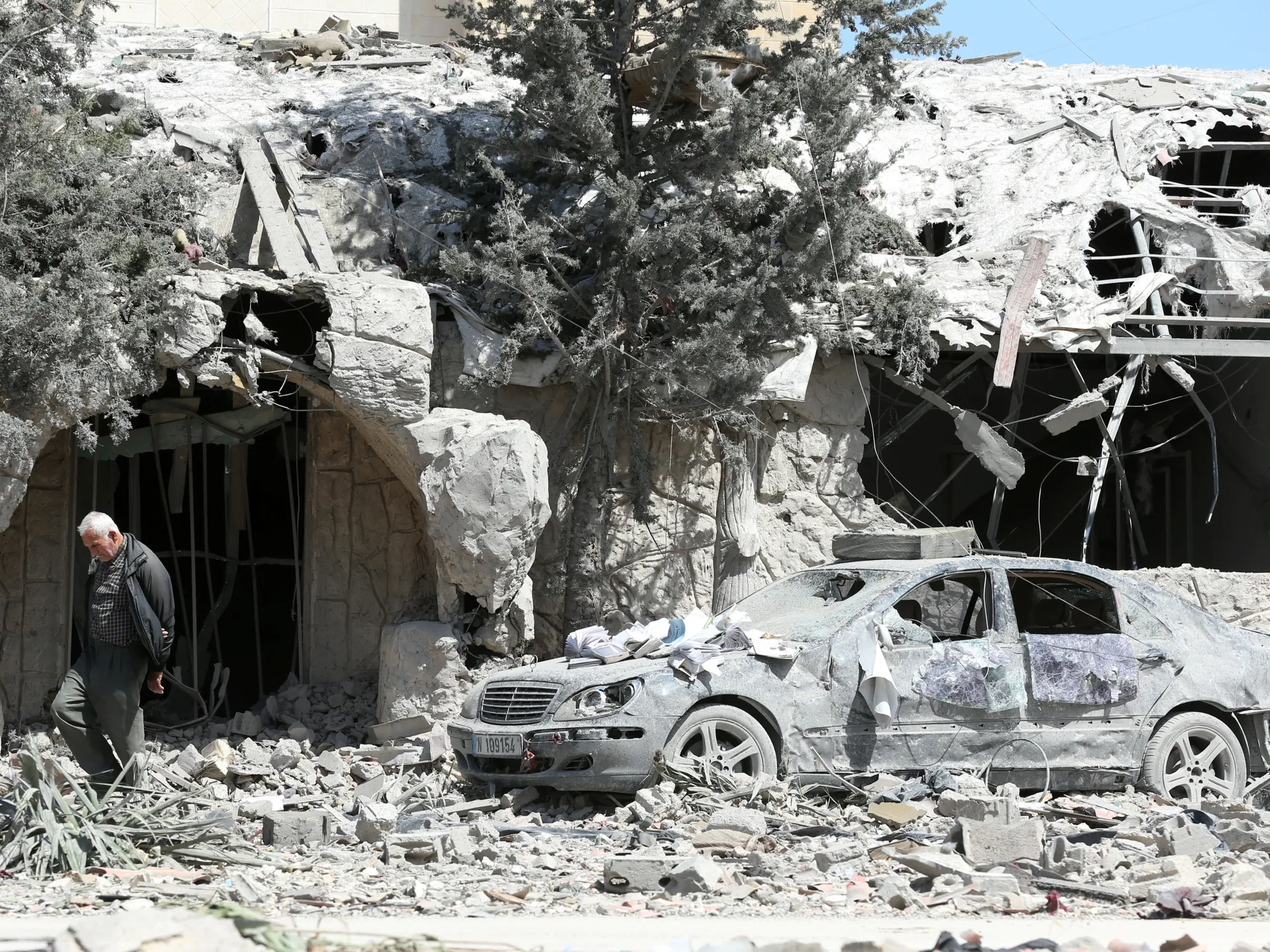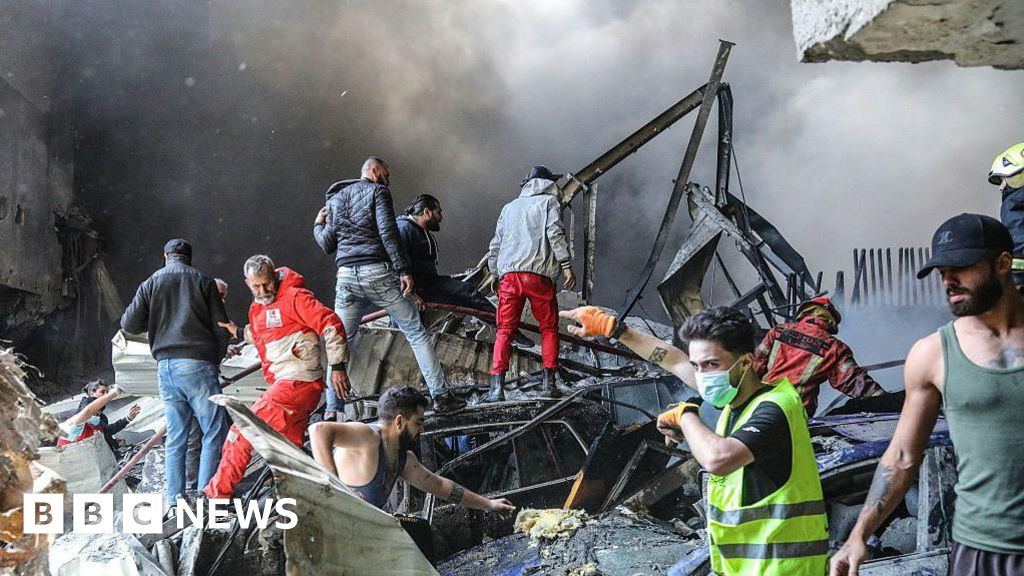

The escalating tensions in Lebanon underscore the inherent volatility gripping the Middle East’s investment landscape, compelling regional sovereign wealth funds to recalibrate risk assessments. While Saudi Arabia’s PIF and Abu Dhabi’s Mubadala maintain strategic bets on pan-regional infrastructure, such as NEOM and the Red Sea Global projects, sporadic border skirmishes like these inject significant uncertainty into operational timelines and long-term portfolio valuations. For venture capital, the immediate fallout manifests in reduced deployment cycles towards Lebanese fintechs and regional logistics startups, as investors prioritize sectors with less direct exposure to geopolitical flashpoints, diverting capital towards ostensibly safer havens like Egypt or the UAE.
Sovereign capital flows face critical junctures; Egyptian Gulf investments and Moroccan infrastructure funding remain sensitive to regional stability metrics. The required ceasefire ahead of talks, while a diplomatic necessity, signals persistent fragility that deters international institutional investors, whose decisions on multi-billion dollar commitments to regional ports, energy corridors, and digital infrastructure hinge heavily on sovereign risk premiums. This caution directly impacts MENA’s ability to attract the scale of capital required for its ambitious diversification agendas like Saudi Vision 2030 and Qatar National Development Strategy.
Consequently, regional infrastructure development enters a precarious phase. Projects reliant on cross-border connectivity, such as the planned Iraq-Jordan pipeline or the Levant Green Energy Corridor, face potential operational disruptions from supply chain bottlenecks and heightened insurance costs. The fragility extends beyond Lebanon, amplifying the imperative for Gulf sovereign capital to underwrite regional resilience through strategic port expansions, redundant energy networks, and localized digital infrastructure. Ensuring continued progress on these vital arteries demands sustained diplomatic engagement and risk mitigation frameworks to secure the monumental investments required for MENA’s economic future.