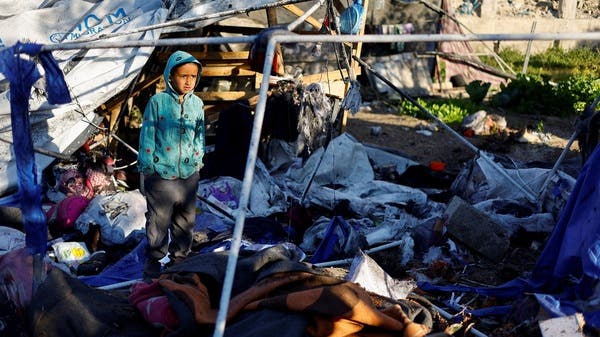

Thepersistence of conflict in Gaza, despite the October 10 ceasefire and Israel’s ongoing air campaign against Iran since February 28, constitutes a critical destabilizing factor with profound implications for the macroeconomic stability and strategic investment landscape of the broader Middle East and North Africa (MENA) region. This sustained violence disrupts regional supply chains, escalates energy security concerns, and introduces significant volatility into financial markets. Sovereign wealth funds (SWFs) and central banks across the GCC and North Africa face mounting pressure to adjust portfolios, potentially increasing allocations to hard assets or defensive sectors while hedging against geopolitical risk premiums. The deteriorating security environment directly impacts foreign direct investment (FDI) flows into key sectors such as infrastructure, energy, and technology, as multinational corporations reassess operational costs and regulatory uncertainties.
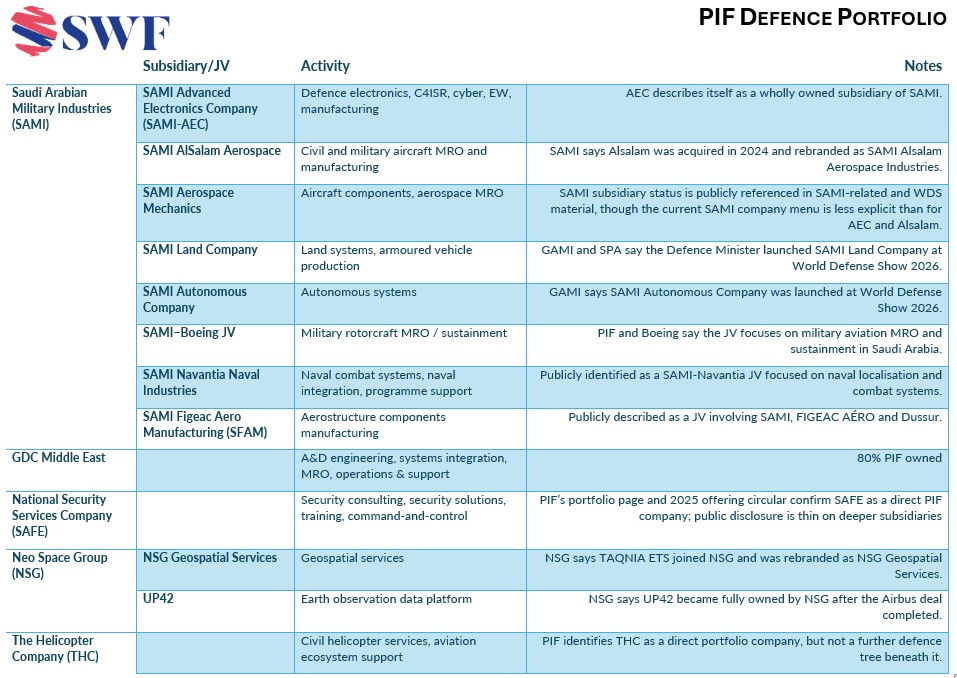
Beyond immediate macroeconomic tremors, the conflict catalyzes shifts in sovereign capital deployment and venture capital dynamics. Regional states, grappling with heightened security expenditures and potential refugee influxes, may accelerate diversification strategies away from traditional oil dependency, channeling more capital into digital infrastructure and cybersecurity. This environment simultaneously stifles VC activity in sectors directly tied to conflict zones while spurring innovative financing models for cross-border humanitarian initiatives and conflict-affected economic reconstruction. The evolving Israel-Iran dynamic further influences regional tech alliances, with SWFs and sovereign entities potentially increasing strategic investments in defense-tech startups and regional digital security platforms as part of broader deterrence strategies, thereby reshaping the venture capital landscape towards higher-risk, higher-reward propositions focused on security and resilience.
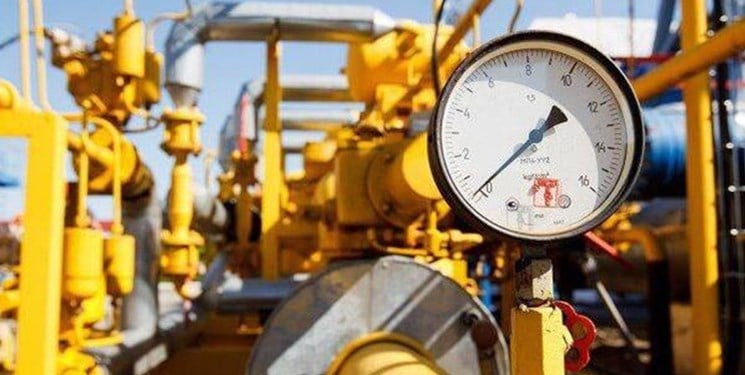
Infrastructure resilience emerges as a paramount concern, with critical maritime routes through the Red Sea and Bab-el-Mandeb Strait facing heightened risk of disruption, impacting global and regional logistics and energy transit. Ports in Gaza and neighboring territories experience operational bottlenecks, increasing transit costs and delay risks for container traffic. Investment in hardened energy infrastructure, particularly in Egypt’s Sinai Peninsula and the Gulf, becomes imperative to mitigate cascading effects on power generation and water desalination. This necessitates substantial sovereign and institutional capital mobilization, potentially diverting funds from non-strategic development projects. The resultant uncertainty suppresses long-term infrastructure planning and public-private partnership (PPP) activity, as financiers demand robust security assurances and risk mitigation mechanisms.
Ultimately, the Gaza conflict underscores the inextricable link between geopolitical stability and sustainable economic development within the MENA region. The continued violence not only hampers immediate business operations and capital allocation but also erodes investor confidence across the board, compelling regional institutions to prioritize security integration within economic strategies. This necessitates a paradigm shift where macroeconomic policies explicitly incorporate conflict risk analytics, and infrastructure development mandates resilience against both natural and man-made disruptions. Failure to address these interconnected challenges risks entrenching a cycle of volatility, hindering the region’s potential to leverage its demographic dividend and technological ambition on the global stage.”