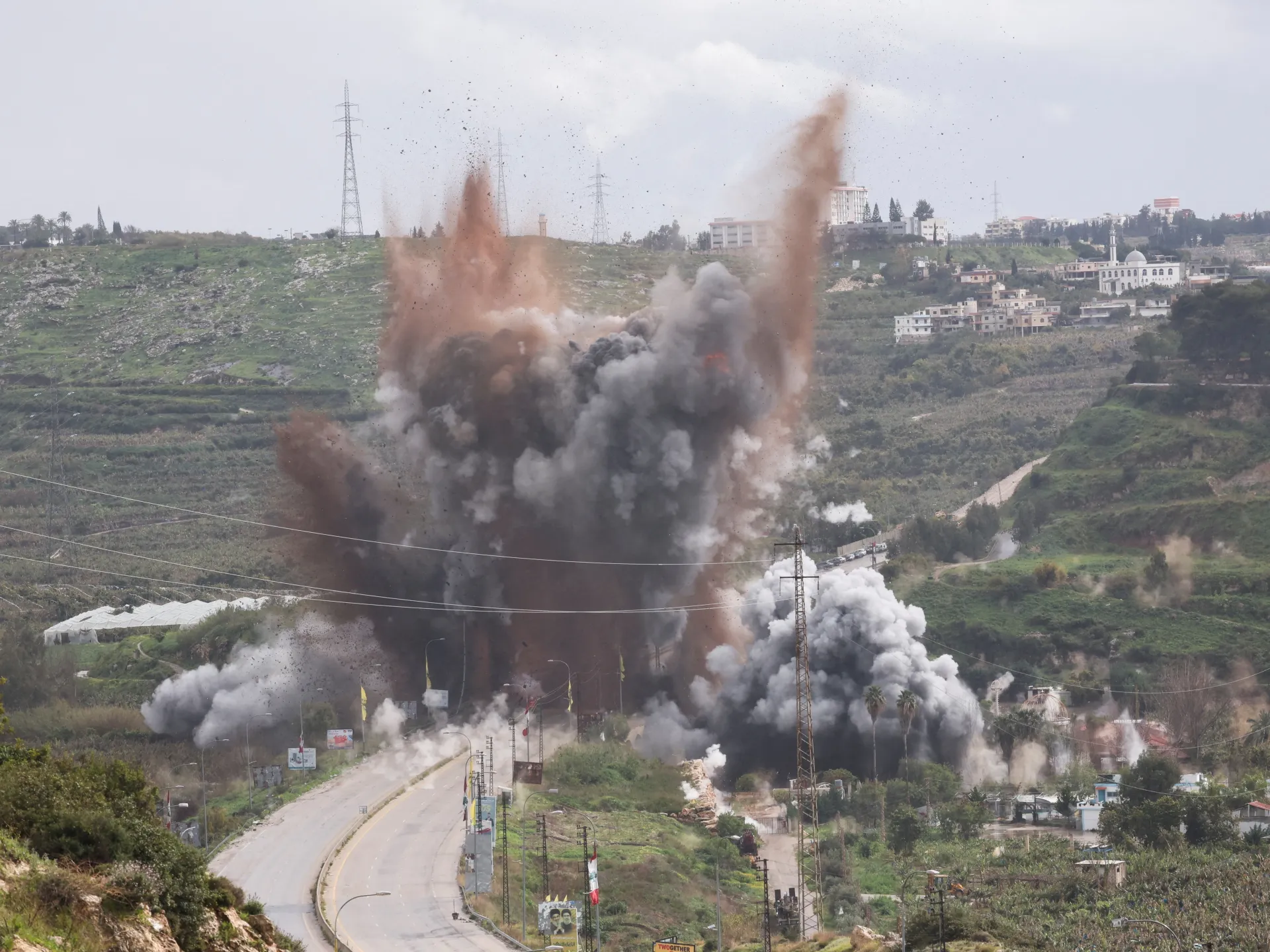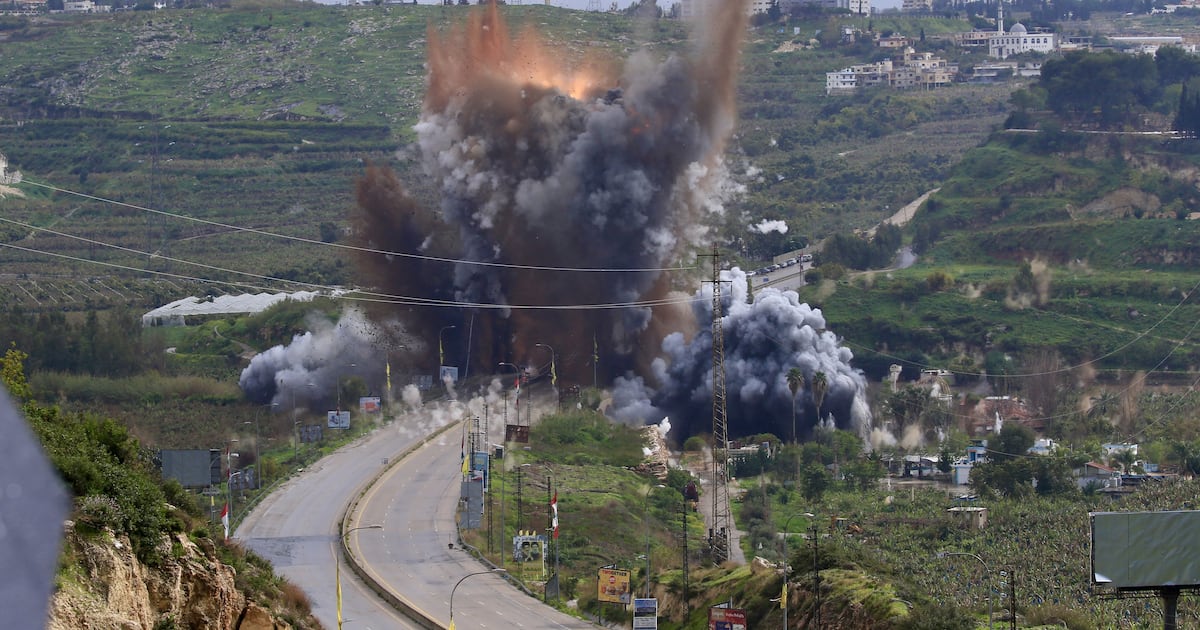

The destruction of Lebanon’s Qasmiyeh Bridge marks a significant escalation in the Israel-Hezbollah conflict that carries profound implications for regional infrastructure and humanitarian access. The bridge, a critical coastal artery connecting Sidon to Tyre and Naqoura, forms part of a strategic network of crossings that Israel has systematically targeted as it pursues a buffer zone strategy south of the Litani River. This infrastructure campaign, coupled with attacks on electrical and water systems, threatens to permanently alter Lebanon’s connectivity and economic viability in the south—an area that has historically served as a vital corridor for commerce and development.
The intensified military campaign comes at a pivotal moment for Middle East sovereign capital deployment, as regional investors have been increasingly drawn to infrastructure and logistics projects connecting Levantine markets. Lebanon’s southern infrastructure, including the Litani River crossing network, represented potential development corridors linking Mediterranean ports to Gulf investments. The systematic destruction of these assets not only creates immediate humanitarian challenges but also fundamentally alters the investment landscape, potentially freezing major infrastructure financing that had been under consideration by Gulf sovereign wealth funds and regional development banks.
Venture capital attention to Lebanon’s logistics and transportation sectors appears to have effectively ceased as the conflict devastates connectivity, while alternative investment routes through Jordan and Syria are now under reconsideration by MENA financial institutions. The cumulative effect of these military actions—disrupting bridges, targeting utilities, and destroying residential areas—amounts to a profound restructuring of the economic geography that will likely require substantial sovereign intervention to reconstitute once hostilities conclude. This dynamic creates both immediate challenges for Lebanese stability and long-term questions about infrastructure financing models in conflict zones that MENA lenders and development institutions must now factor into their strategic planning.