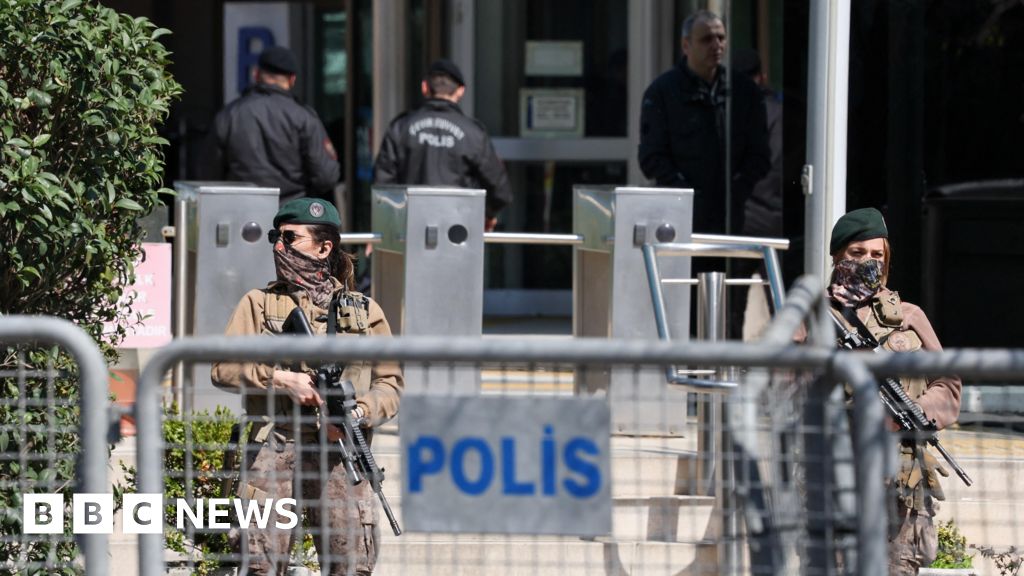

The recent cessation of Israeli diplomatic presence in Turkey, marked by the closure of the Istanbul consulate for two and a half years, represents a significant, albeit subtle, recalibration of regional geopolitical dynamics with notable implications for the Middle East and North Africa (MENA) economic landscape. While not a direct financial blow in the immediate term, this diplomatic shift underscores a broader trend of strategic distancing and potential realignment of alliances, impacting business confidence and investment flows across the region. The long-term consequences are likely to be felt in sectors reliant on Israeli-Turkish cooperation, including defense, cybersecurity, and technology.
Sovereign capital flows within the MENA region are increasingly sensitive to geopolitical uncertainties. The absence of direct Israeli diplomatic engagement creates a ripple effect, potentially diverting investment into alternative partners and geographies. While Turkey remains a key player in regional infrastructure development, including energy pipelines and digital networks, this shift could influence the trajectory of these projects. Furthermore, the reduced diplomatic engagement may impact venture capital activity focused on Israeli startups looking to expand into the MENA market. Israeli tech firms have historically benefited from Turkish connectivity and market access; diminished ties could present challenges for future investment and business development. The impact will be particularly pronounced in sectors exhibiting strong Israeli innovation, such as fintech and artificial intelligence.
The broader implications extend beyond direct economic transactions. The reconfiguration of diplomatic relationships highlights a shift in regional power balances, influencing trade agreements, strategic partnerships, and perceptions of regional stability. MENA nations are actively pursuing diversification strategies, aiming to reduce dependence on traditional oil revenues and cultivate new economic engines. This diplomatic decoupling offers an opportunity for these nations to forge deeper economic partnerships with countries like Saudi Arabia, the UAE, and Egypt, fostering a more resilient and interconnected regional economy. However, maintaining stability and mitigating regional volatility will be paramount to realizing these ambitions. The success hinges on navigating a complex interplay of political considerations and economic imperatives.
Ultimately, the diminished Israeli presence in Turkey represents a nuanced challenge within the evolving geopolitical landscape of the MENA region. While the immediate financial repercussions may be limited, the long-term impact on investment flows, infrastructure development, and venture capital activity warrants careful monitoring. MENA’s continued economic success will depend on its ability to proactively adapt to these shifts, diversify its partnerships, and cultivate regional stability. A robust and resilient MENA economy requires a strategic outlook that anticipates and addresses evolving geopolitical realities, ensuring that opportunities are leveraged while risks are mitigated.