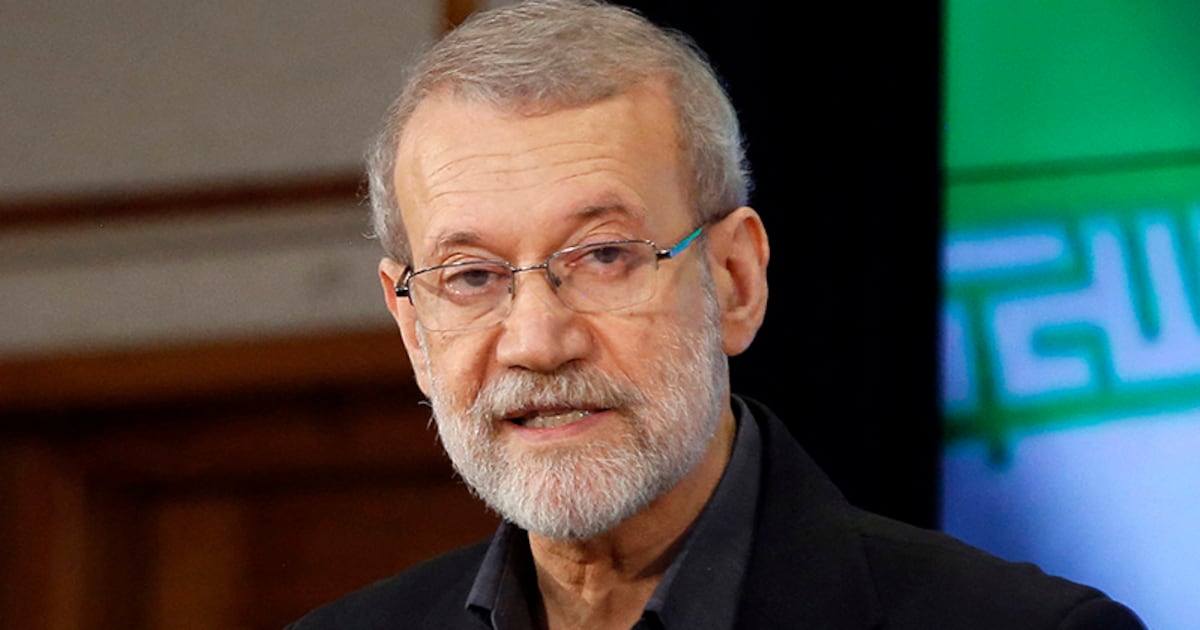

Recent reports emanating from Israel, specifically claims by Defence Minister Israel Katz regarding the death of Iranian security chief Ali Larijani, necessitate a sober assessment of the escalating tensions and their profound implications for the Middle East. While Iran has yet to confirm the reported strike, the assertion, coupled with the simultaneous targeting of the Basij paramilitary commander Gholamreza Soleimani, underscores a heightened state of operational activity and signals a significant escalation in the shadow war between Israel and Iran. This dynamic immediately impacts regional financial stability, particularly concerning sovereign wealth funds and investment flows. Many Gulf state investors, traditionally cautious regarding direct exposure to Iranian assets, are likely to reassess their risk profiles, potentially leading to a temporary pullback from certain sectors and a renewed focus on bolstering defensive infrastructure investments.
The US offer of a $10 million reward for information on additional Iranian military and intelligence figures highlights the broader strategic context. This action, alongside the reported death of Ayatollah Ali Khamenei (a claim requiring independent verification), suggests a coordinated, multi-pronged approach aimed at disrupting Iranian operations. Venture capital activity within the MENA region is almost certain to be affected. Increased geopolitical uncertainty invariably dampens appetite for risk, potentially slowing down investment in high-growth sectors like fintech and renewable energy, particularly in countries with close ties to either Israel or Iran. Sovereign wealth funds, such as those in Saudi Arabia and the UAE, will be under intense pressure to demonstrate resilience and strategic foresight, likely prioritizing investments in sectors less vulnerable to regional shocks.
Furthermore, the operational tempo and the targeting of key Iranian figures have significant implications for regional infrastructure. The Basij force, as highlighted by the Israeli military’s action, plays a crucial role in internal security and social control within Iran. Disrupting this element, even through targeted strikes, could exacerbate existing social unrest and further destabilize the country. This, in turn, could trigger a cascade effect, impacting energy supply chains – a critical concern for the entire region – and potentially necessitating increased investment in alternative energy sources and diversified logistics networks. The potential for escalation also demands a reassessment of cybersecurity defenses across the MENA region, particularly those protecting critical infrastructure and financial institutions.
Finally, the situation demands a careful consideration of the evolving role of private security and intelligence firms within the region. Increased activity by entities like Blackwater and similar organizations, often operating in a grey area, is likely to accelerate as governments seek to bolster their defensive capabilities. The long-term impact will depend heavily on the trajectory of the conflict, but the immediate effect is a heightened sense of vulnerability and a likely shift towards greater regional security spending, diverting resources from other vital development priorities. A sustained period of instability will undoubtedly reshape the economic landscape of the Middle East and North Africa for years to come.