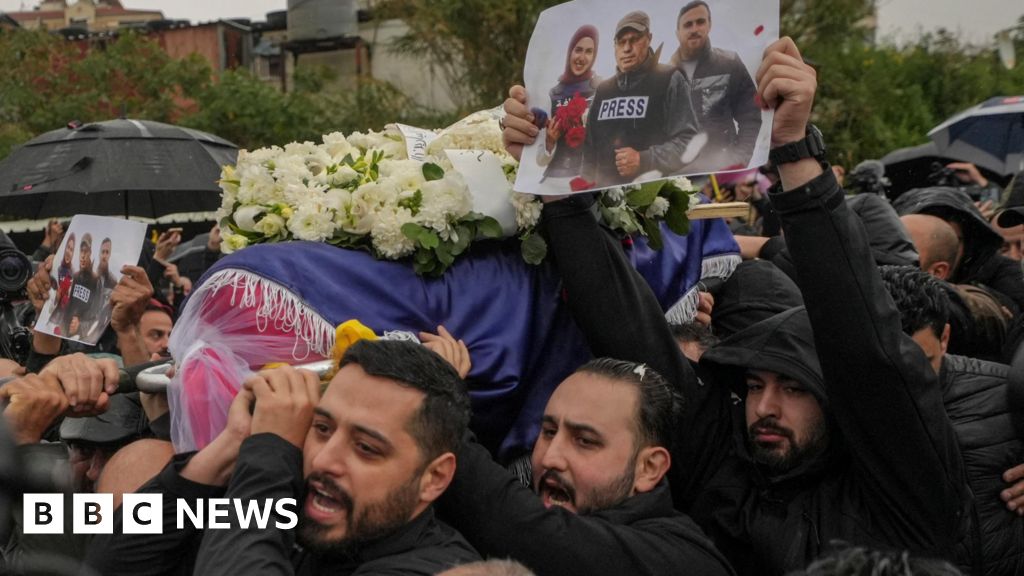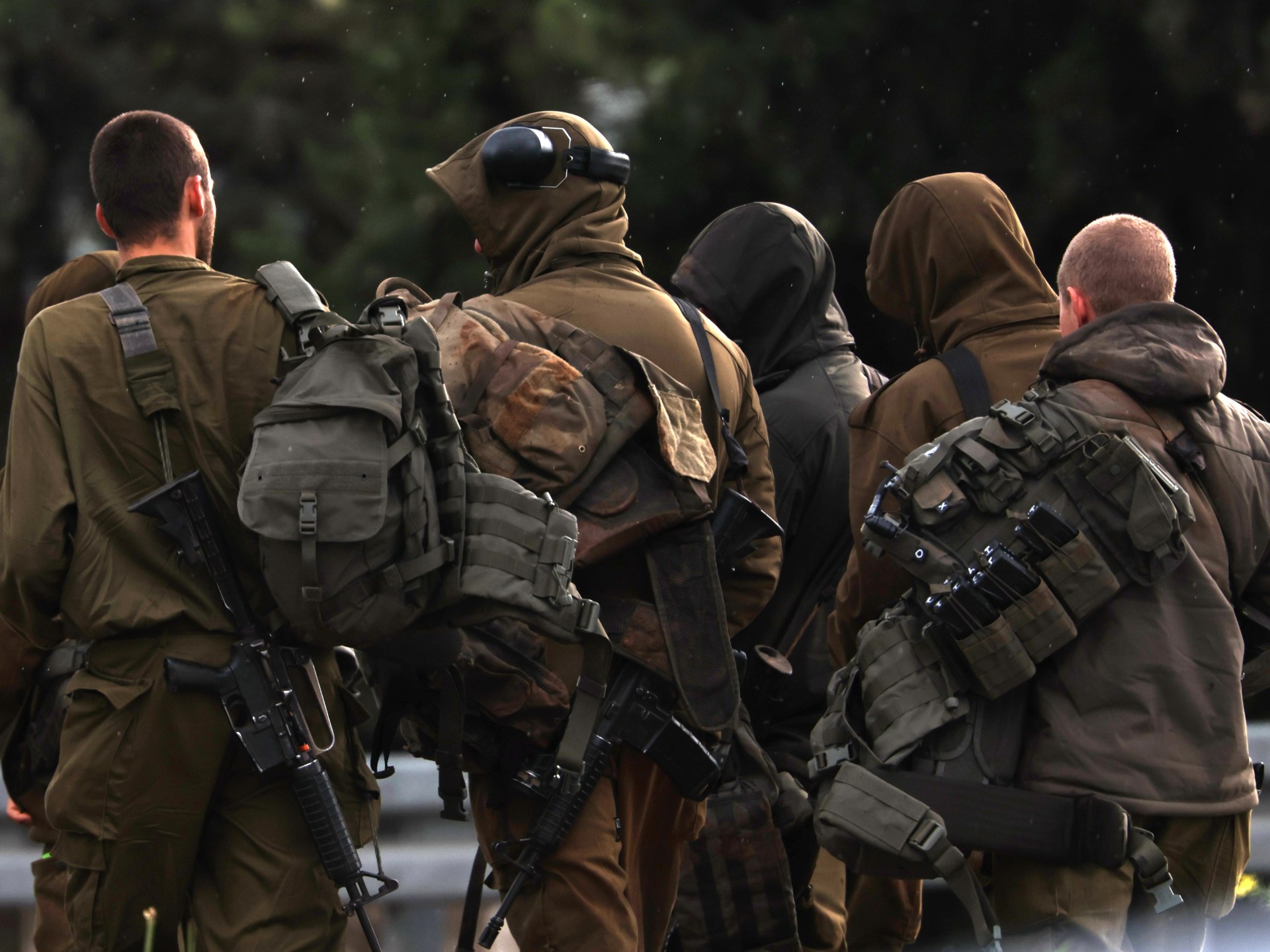

The escalating conflict between Israel and Hezbollah in southern Lebanon has triggered a significant and concerning ripple effect across the Middle East, extending far beyond the immediate battlefield. The recent video surfacing of Hapoel Hadera Premier League player Menashe Zalka, participating in a military assault alongside Israeli army personnel, has amplified existing tensions and exposed critical vulnerabilities within the region’s financial and sporting infrastructure, demanding a reassessment of international sporting bodies’ responses.
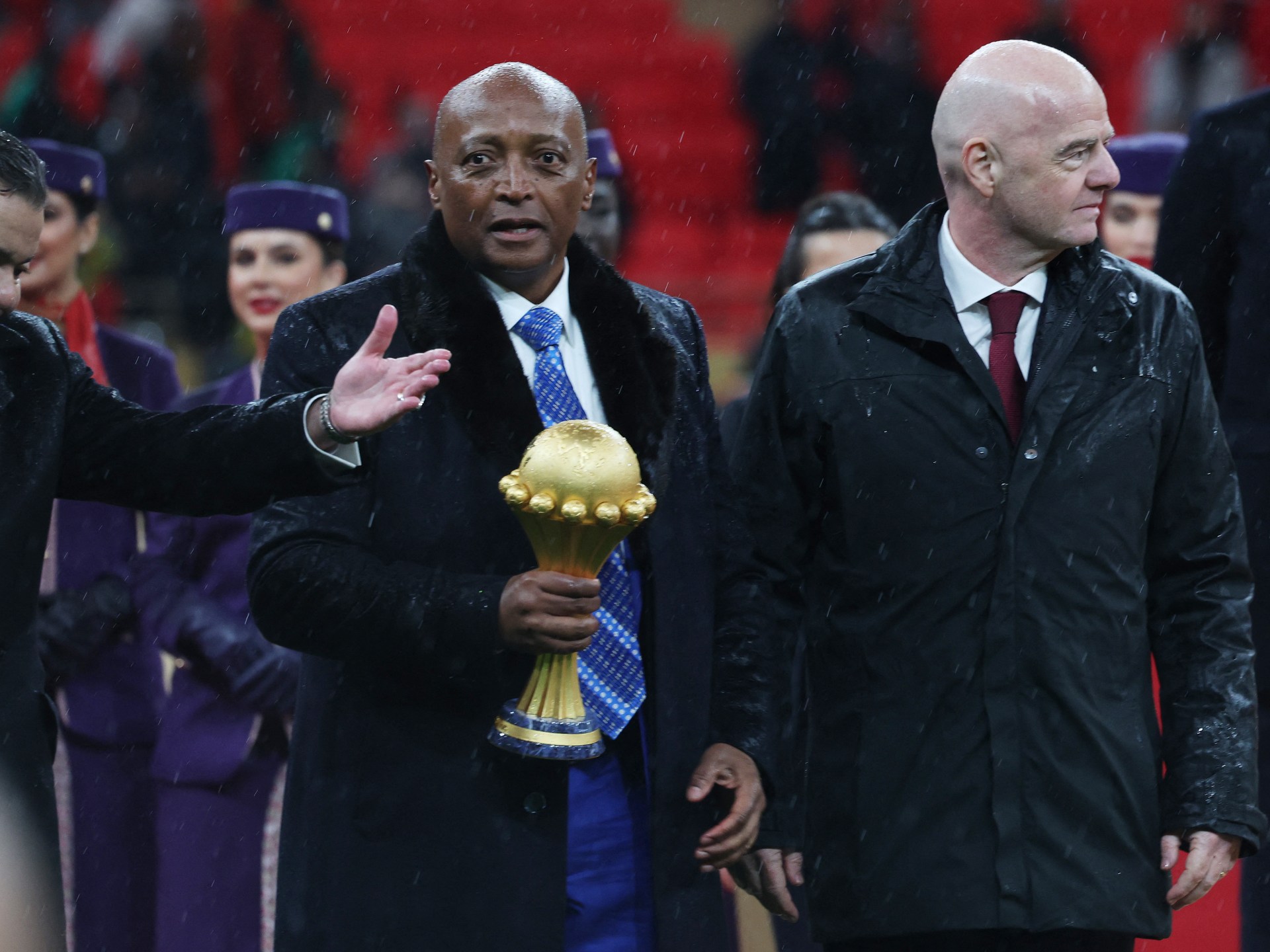
The immediate business impact centers on the potential for further sanctions against the Israeli Football Association (IFA). FIFA’s recent fine, coupled with the failure to suspend the IFA despite repeated allegations of discrimination and breaches of anti-discrimination obligations, underscores a troubling pattern of perceived double standards. This inaction is fueling accusations of political bias and damaging FIFA’s credibility, particularly in the context of the ongoing humanitarian crisis in Gaza. Furthermore, the incident raises questions about the broader implications for Israeli participation in European sporting competitions, potentially leading to increased pressure for boycotts and further financial penalties. Sovereign wealth funds and regional investment firms are closely monitoring the situation, adjusting portfolios with heightened caution regarding exposure to Israeli assets, a trend likely to accelerate if the conflict intensifies.
Beyond the sporting realm, the situation is profoundly impacting regional venture capital activity. Investment in Israeli technology, historically a cornerstone of the MENA tech ecosystem, is experiencing a sharp contraction. Sovereign wealth funds, particularly those in Saudi Arabia and the UAE, are re-evaluating their strategic partnerships with Israeli firms, prioritizing investments in sectors less directly linked to the military and security apparatus. Simultaneously, there’s a surge in interest from regional investors – notably in countries like Qatar and Egypt – seeking to diversify their portfolios and capitalize on opportunities arising from the instability. However, this shift is tempered by a heightened awareness of geopolitical risk and a preference for investments in sectors deemed more resilient, such as renewable energy and healthcare.
Finally, the conflict is exacerbating existing infrastructural challenges across Lebanon and the wider region. The ongoing hostilities are disrupting supply chains, hindering reconstruction efforts, and straining already limited resources. The instability is also impacting regional connectivity, with border closures and travel restrictions impacting trade and tourism. Investment in critical infrastructure projects – particularly in energy and transportation – is being postponed indefinitely. Moreover, the humanitarian crisis in Gaza and the West Bank is creating a significant refugee flow, placing immense pressure on neighboring countries and demanding substantial international aid. The long-term implications for regional stability and economic development are substantial, necessitating a coordinated international response focused not only on immediate humanitarian assistance but also on fostering sustainable peace and rebuilding shattered economies.