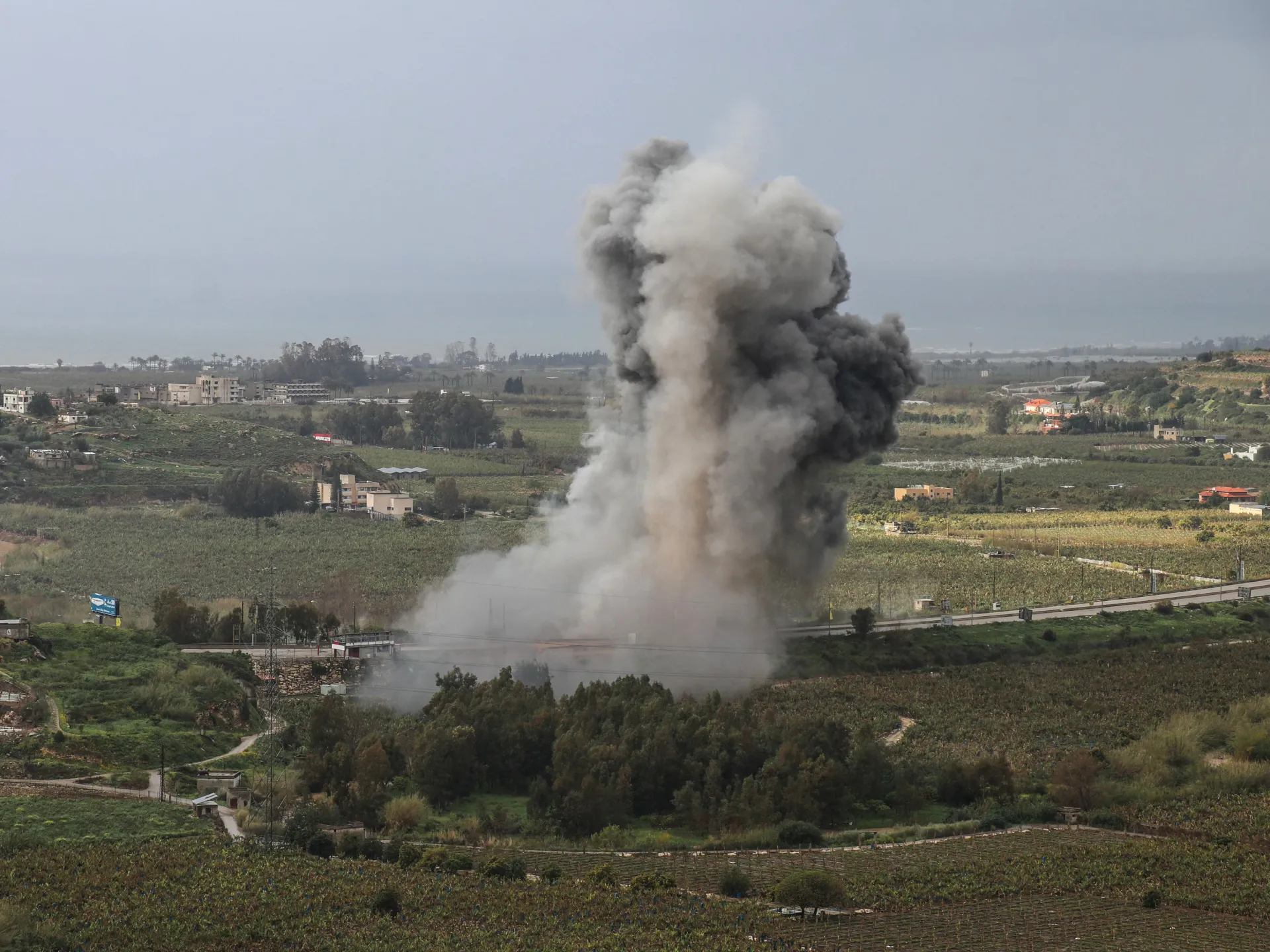

The fatal incident involvingthe killing of settler Yehuda Sherman, reportedly caused by a collision with a vehicle driven by a Palestinian near Nablus, immediately risks intensifying regional instability. This event occurs against a backdrop of heightened tensions following the recent Gaza war and enduring territorial disputes. The immediate security implications could disrupt vital logistical routes and labor mobility across the West Bank, potentially impacting key economic corridors and supply chain stability critical for regional commerce.
The escalation of violence directly threatens sovereign investment and long-term economic planning. Foreign direct investment, particularly in high-growth sectors like fintech and renewables, often relies on perceived stability. Heightened tensions deter capital formation, increase operational costs for multinational corporations, and deter venture capital deployment focused on frontier markets. Regional infrastructure projects, including energy corridors and digital networks, face delays as security concerns overshadow economic cooperation initiatives.
Consequently, sovereign wealth funds and strategic investment entities must reassess exposure to regions experiencing heightened friction. This necessitates rigorous geopolitical risk analysis integrated into investment theses. Venture capital, already navigating a challenging global funding environment, faces increased scrutiny regarding deployment in conflict-adjacent areas. The imperative for robust risk mitigation strategies becomes paramount to shield portfolios from unforeseen geopolitical shocks while preserving opportunities within more stable sub-regions of the MENA landscape. Maintaining essential infrastructure and facilitating cross-border trade will remain critical challenges unless a sustained de-escalation occurs.