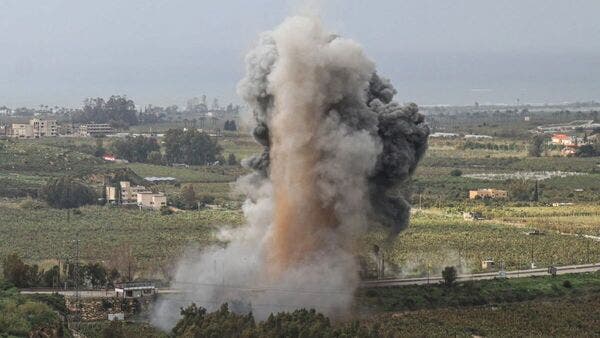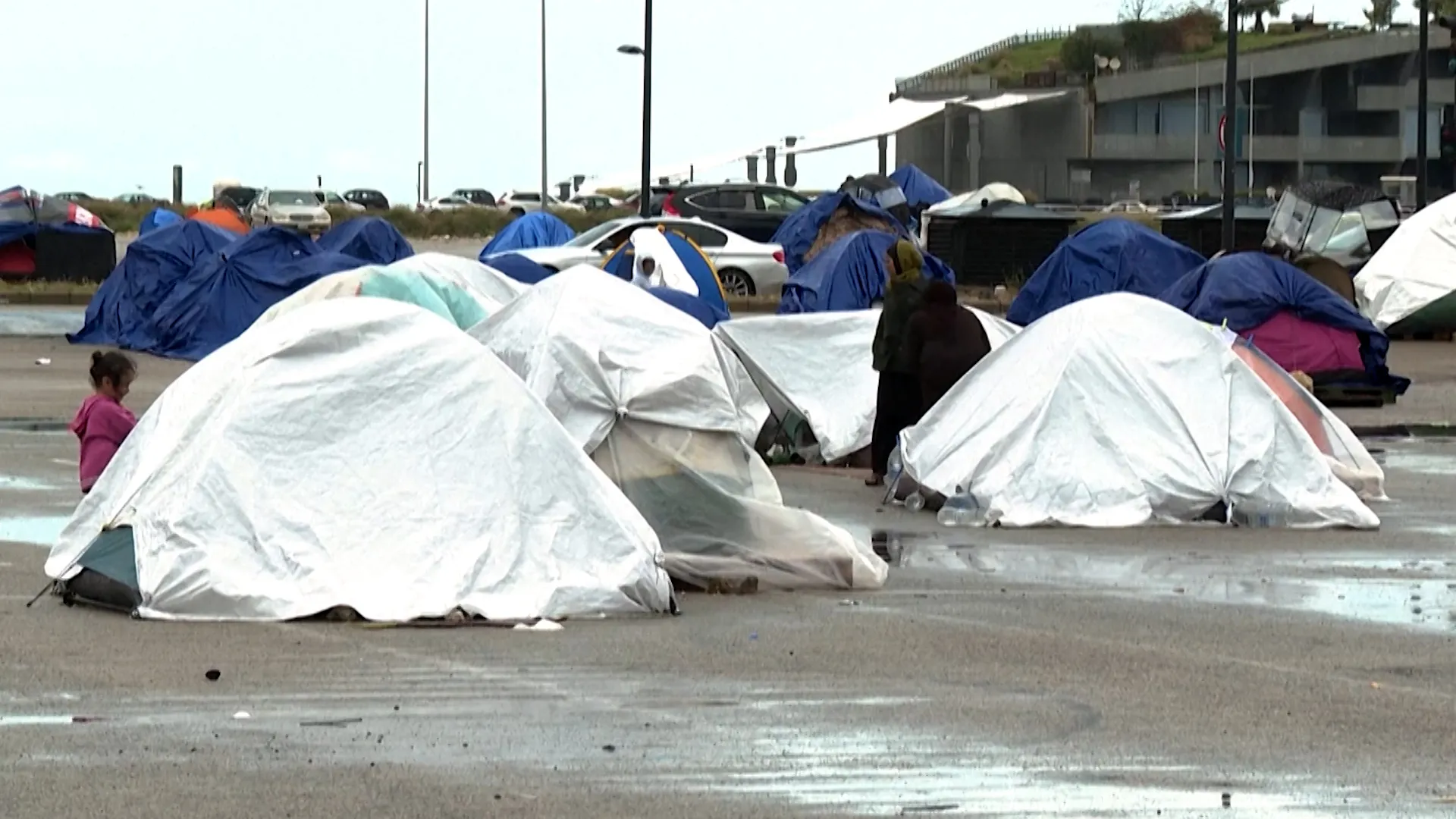

The ongoing humanitarian crisis in Lebanon, marked by families displaced due to Israeli strikes, highlights the complex interplay between regional stability and economic development across the Middle East and North Africa (MENA).
The current instability has significantly impacted capital flows and investment strategies within the region. Despite heightened geopolitical tensions, sovereign wealth funds across the Gulf Cooperation Council (GCC) nations have maintained their diversification strategies, redirecting investments toward more stable markets while cautiously monitoring the situation. The crisis has also prompted regional governments to accelerate infrastructure resilience planning, emphasizing the importance of sustainable urban development and emergency response capabilities.
From a venture capital perspective, MENA region investors are increasingly focused on sectors that enhance national resilience, including renewable energy, water security technologies, and digital infrastructure. This strategic shift reflects a broader regional trend toward economic diversification beyond hydrocarbons, with countries leveraging their sovereign wealth to build technology-driven economies that can withstand regional instabilities. The current crisis has further underscored the need for robust institutional frameworks to support long-term economic growth despite geopolitical challenges.