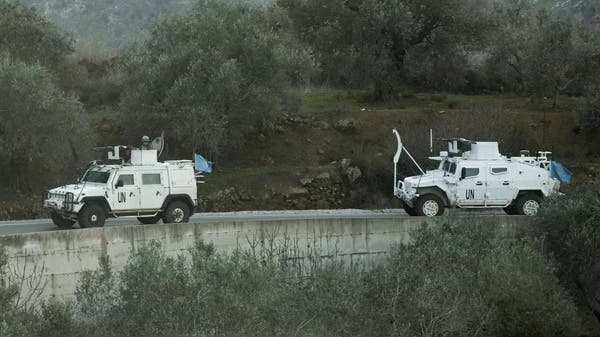

The recentfatalities of three UNIFIL peacekeepers in southern Lebanon illustrate a tangible security shock that reverberates through sovereign risk assessments across the MENA region. While the immediate cause remains contested, the incident underscores the volatility of Israel‑Hezbollah interactions and the broader exposure of multinational firms and diplomatic missions to sudden escalation. Institutional investors are consequently re‑pricing exposure to Jordanian, Egyptian, and Gulf assets, factoring in heightened geopolitical tail‑risk and a more cautious stance toward cross‑border operations that could be disrupted by localized conflict flare‑ups.
From a sovereign capital perspective, the episode has already translated into modest but measurable shifts in fiscal allocations and debt market dynamics. Regional sovereign wealth funds, traditionally heavy investors in infrastructure and energy, are reallocating portions of their portfolios toward higher‑yielding, liquid instruments to mitigate potential capital flight. Emerging market bond spreads have widened modestly, reflecting investor concerns that reconstruction spending in Lebanon and possibly adjacent border zones may be curtailed by prolonged instability. This recalibration is prompting a reassessment of long‑term sovereign investment strategies, with an emphasis on diversification and risk‑adjusted returns.
Venture capital and private equity flows are similarly recalibrating. Start‑ups operating in sectors tied to logistics, hospitality, and regional data services face an amplified due‑diligence hurdle as geopolitical uncertainty raises the perceived cost of market entry. Limited partners are urging managers to prioritize investments in jurisdictions with diversified revenue streams and stronger institutional safeguards, while sovereign‑backed VC funds are channeling capital toward resilient sub‑segments such as cybersecurity, renewable energy, and health‑tech. The net effect is a tilt toward defensive asset classes and a slower pace of capital deployment into high‑growth, region‑wide ecosystems.
The infrastructure narrative in the MENA bloc stands at a crossroads. Reconstruction projects, historically buoyed by sovereign financing and multilateral development banks, now confront a dual challenge: financing constraints amid heightened risk premiums and the prospect of delayed permitting in contested border districts. Institutional analyses suggest that strategic asset managers will increasingly seek blended financing models that combine sovereign capital with private sector participation, anchored by robust insurance and risk‑mitigation mechanisms. In this context, infrastructure resilience—particularly in transport corridors linking Gulf hubs to Mediterranean ports—will assume a heightened priority, shaping the next wave of region‑wide investment blueprints.