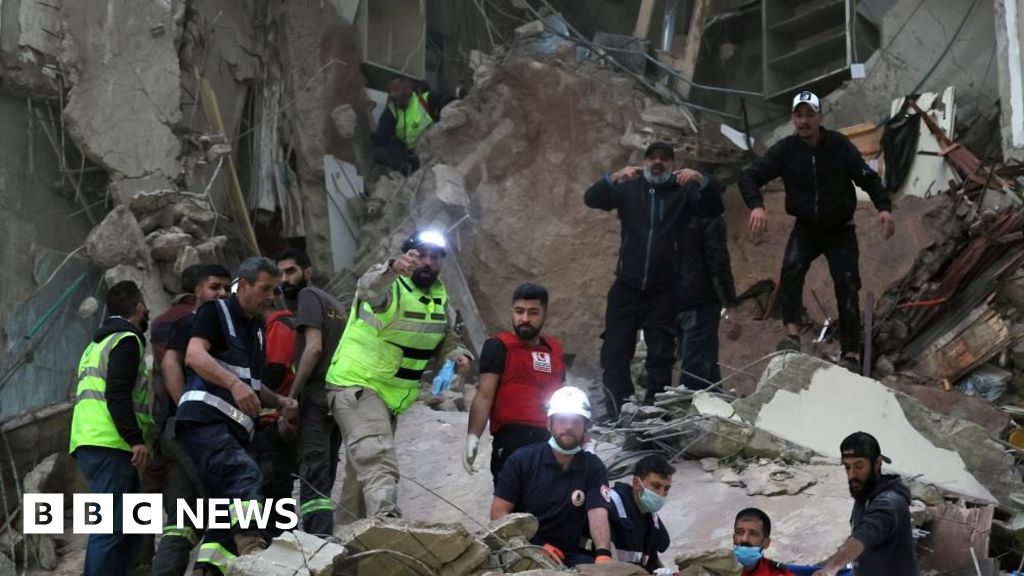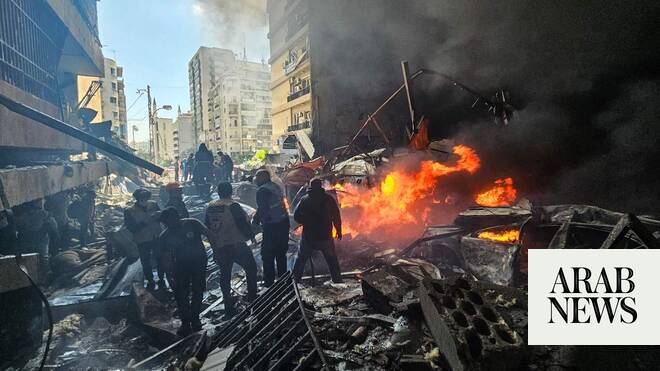

The recent Israeli strikes on Lebanon underscore a critical vulnerability in the MENA region’s economic and political equilibrium. The direct targeting of infrastructure associated with Hezbollah, a key non-state actor with significant regional influence, disrupts not only security dynamics but also the flow of sovereign capital. Lebanon’s already precarious financial situation, marked by hyperinflation and a dollarized economy, is further strained as military expenditures and reconstruction efforts divert limited resources from critical sectors. This diversion could accelerate the erosion of sovereign creditworthiness, deterring foreign investment and exacerbating capital flight. Concurrently, the instability threatens venture capital ecosystems in the region, as uncertainty over security and governance reduces appetite for risk-tolerant investments. The strikes may also signal a broader pattern of escalation, potentially diverting capital from high-growth sectors to defense or mitigation, thereby stifling innovation and long-term economic growth. Regional infrastructure, already fragmented by decades of conflict, faces renewed challenges as critical assets—roads, ports, and communication networks—are damaged or destroyed, hampering trade and business continuity across the MENA basin.
The business impacts of this conflict extend beyond immediate destruction to shape the region’s financial architecture. Sovereign capital in Lebanon, already under pressure from external debt and structural imbalances, is at risk of further depletion due to the costs of military response and humanitarian aid. This strains regional financial institutions, which may face reduced liquidity or increased risk premiums, potentially impacting lending to other MENA markets. For venture capital, the conflict represents a negative catalyst, as startups and growth-stage companies in Lebanon and neighboring countries may divert attention to survival rather than expansion. The inability to attract foreign direct investment (FDI) or maintain stable business environments could lead to a contraction in venture capital flows, particularly in sectors like technology and renewable energy that rely on regional stability. Moreover, the spillover effects of the conflict might deter cross-border investments, as investors reassess risks in interconnected markets. The regional infrastructure, a linchpin for economic integration, is also under siege, with strikes targeting logistical hubs and energy supply lines. This not only impedes current trade but could also delay the modernization of infrastructure projects, further entrenching economic stagnation and reducing the region’s competitiveness in global markets.
The regional infrastructure implications of the strikes are profound, with cascading effects on sovereign stability and investment climates. The destruction of critical infrastructure—such as ports, energy grids, and transportation networks—directly impacts the operational viability of businesses across MENA, particularly in Lebanon, where such systems are already overburdened. This damage exacerbates sovereign financial challenges, as reconstruction costs strain public budgets and may lead to austerity measures that deter private sector engagement. Venture capital activity in the region is likely to decline as entrepreneurs and investors prioritize risk mitigation over aggressive expansion. Additionally, the humanitarian toll of the strikes, including displacement and economic hardship, could spur a brain drain, weakening local talent pools that are essential for technology and innovation-driven economies. The conflict also raises questions about the resilience of regional supply chains, with infrastructure disruptions potentially triggering inflationary pressures and quantitative easing in central banks—a scenario that could further erode sovereign capital reserves. In the broader MENA context, the instability in Lebanon may serve as a cautionary tale, prompting neighboring states to adopt more cautious investment strategies or prioritize internal stability over regional engagement. The interplay between these factors underscores the need for a coordinated regional response to safeguard economic interests amid escalating security crises.