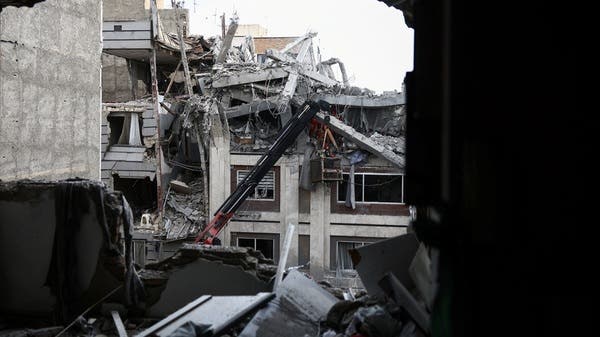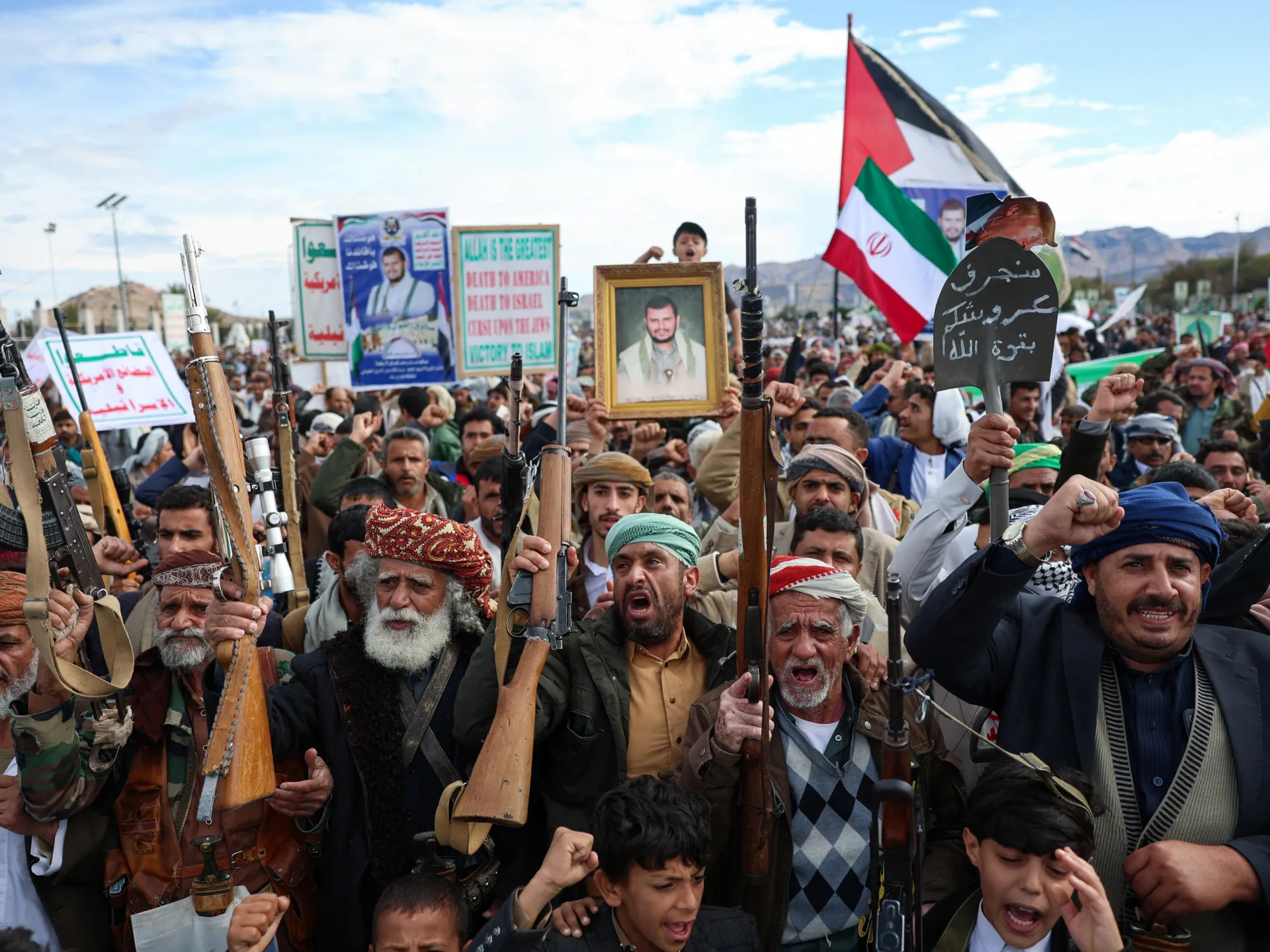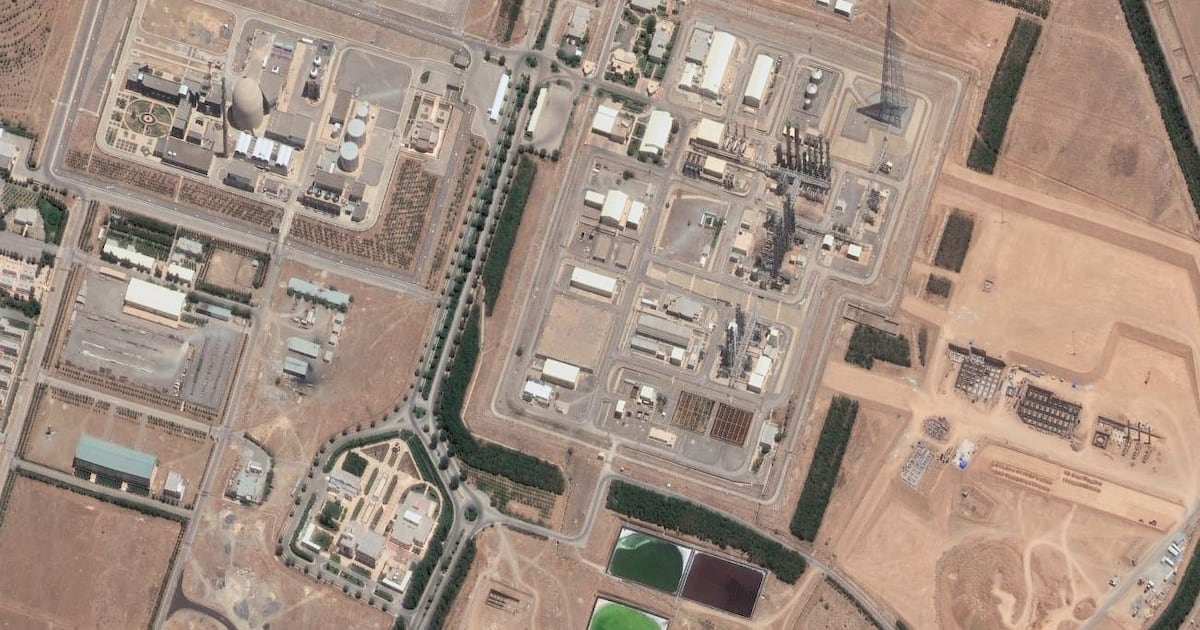

The recent Israeli airstrikes on nuclear sites in Iran represent a pivotal escalation in the ongoing regional power struggle, underscoring the strategic priority nations assign to energy and geopolitical assets. Within the MENA landscape, these actions amplify fears surrounding sovereignty and investment stability, particularly for sovereign capital flows and infrastructure development that underpin economic resilience. The attacks on the Arak heavy-water reactors and the adjacent uranium processing unit not only threaten Iran’s nuclear program but also disrupt investor confidence in the broader Middle Eastern energy and technology arena.
The economic weight of these strikes reverberates across sovereign financing mechanisms, as sovereign capital becomes increasingly sensitive to the risks of politically motivated violence. With regional investors historically allocating substantial resources to long-term infrastructure projects within MENA—such as green energy ventures, telecommunications expansion, and manufacturing hubs—this event adds a layer of caution. The regional infrastructure implications are profound, as interdependencies between Iran’s domestic energy sector, its external partnerships, and the broader supply chains feeding into the Gulf and North African economies grow more pronounced. Consequently, this strikes reverberate through regional planning, potentially delaying or redirecting capital flows.
Venture capital activity, traditionally more agile, must also assess the new environment. While the immediate impact in the renewable and tech sectors may be muted, the long-term ramifications could redefine venture dynamics across the MENA region. For the investor and institution alike, this episode serves as a clarion call: robust risk assessment, adaptive capital deployment, and strategic reassessment of sovereign exposure are imperative. The regional landscape will be redrawn not merely by today’s violence but by the strategic recalibrations it forces.
It is evident, from this analysis, that policymakers and corporate strategists must now internalize the interconnectedness of nuclear infrastructure, sovereign ambition, and the evolving capital architecture of the MENA region. For stakeholders, this is more than a regional incident—it is a decisive factor shaping the future of investment, sovereignty, and development across the Middle East and North Africa.