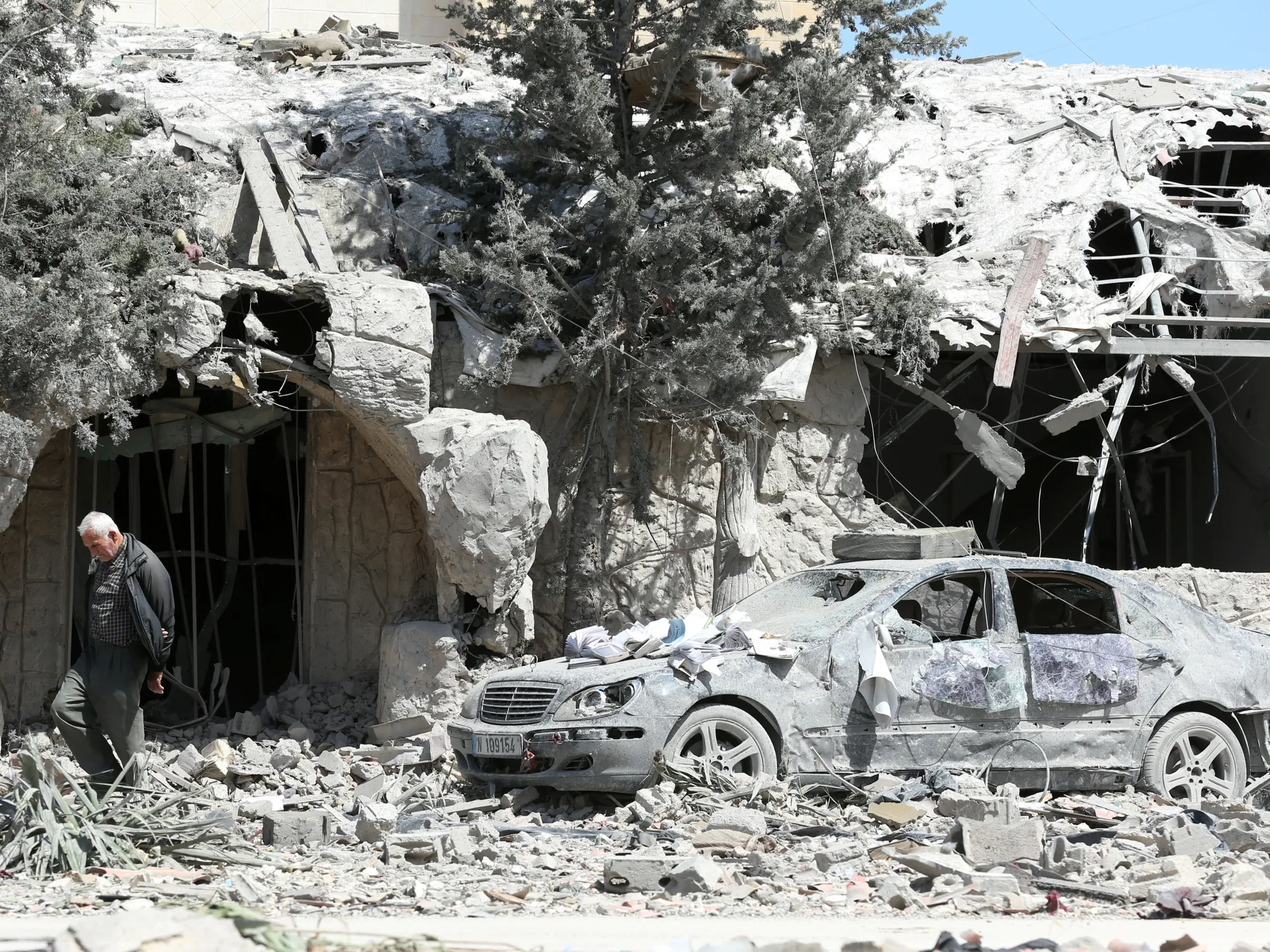

Amid escalating hostilities between Israel and Lebanon, Iran’s parliament speaker Mohammad Bagher Ghalibaf’s warning that “time is running out” signals a turning point that will reverberate across the MENA region’s financial ecosystem. The security calculus now dictates a re‑allocation of sovereign capital, signalling governments that large sovereign wealth funds—such as Saudi Arabia’s Public Investment Fund, Abu Dhabi’s Mubadala, and Iran’s Ministry of Economic Affairs—must pivot away from volatile markets toward safer, infrastructure‑heavy projects domestically and in stable regions. This shift is expected to intensify funding flows into public‑private partnership (PPP) agreements for transport, logistics hubs, and renewable energy deployments, all of which have long been slated but stalled by geopolitical uncertainty.
For venture capital, the fallout is equally stark. The heightened risk profile in traditional MENA tech clusters—particularly in Saudi Arabia’s NEOM and Egyptian tech hubs—imposes a premium on deal syndication and a leaner capital‑i‑stream. Early‑stage startups now face extended valuation timelines, with investors demanding stronger exit mechanisms linked to infrastructure assets or cross‑border utilities. In parallel, Palestinian and Lebanese entrepreneurs maintain access to niche funds, but the funding density drops sharply, nudging venture firms toward more resilient sectors such as FinTech solutions for diaspora remittances, or digital health platforms that can be deployed across multiple jurisdictions without heavy physical footprints.
Infrastructure projects themselves are poised for an uptick, not by sheer scale but by strategic precision. Governments are likely to issue more Requests for Proposals (RFPs) for resilient utilities—water desalination plants in Jordan, power interconnectors between Egypt and the UAE, and logistics corridors linking the Sahel to East Africa. These initiatives will attract both sovereign and private capital, with co‑financing models that reduce exposure for private investors while enabling states to meet climate and sustainability commitments. The opportunity costs of inaction, however, remain high: delayed grid upgrades could erode the attractiveness of MENA markets for foreign direct investment by up to 18% over the next decade.
In sum, the current flare‑up obliges MENA stakeholders to recalibrate risk appetites and liquidity pathways. Sovereign funds will increasingly underpin critical infrastructure, while venture capital becomes more sector‑specific and outcome‑driven. For the region’s long‑term prosperity, the ability to pivot capital swiftly into resilient assets will determine whether MENA can maintain its trajectory as a hub for innovation and trade or will cede ground to emerging economies that harness stability into growth.