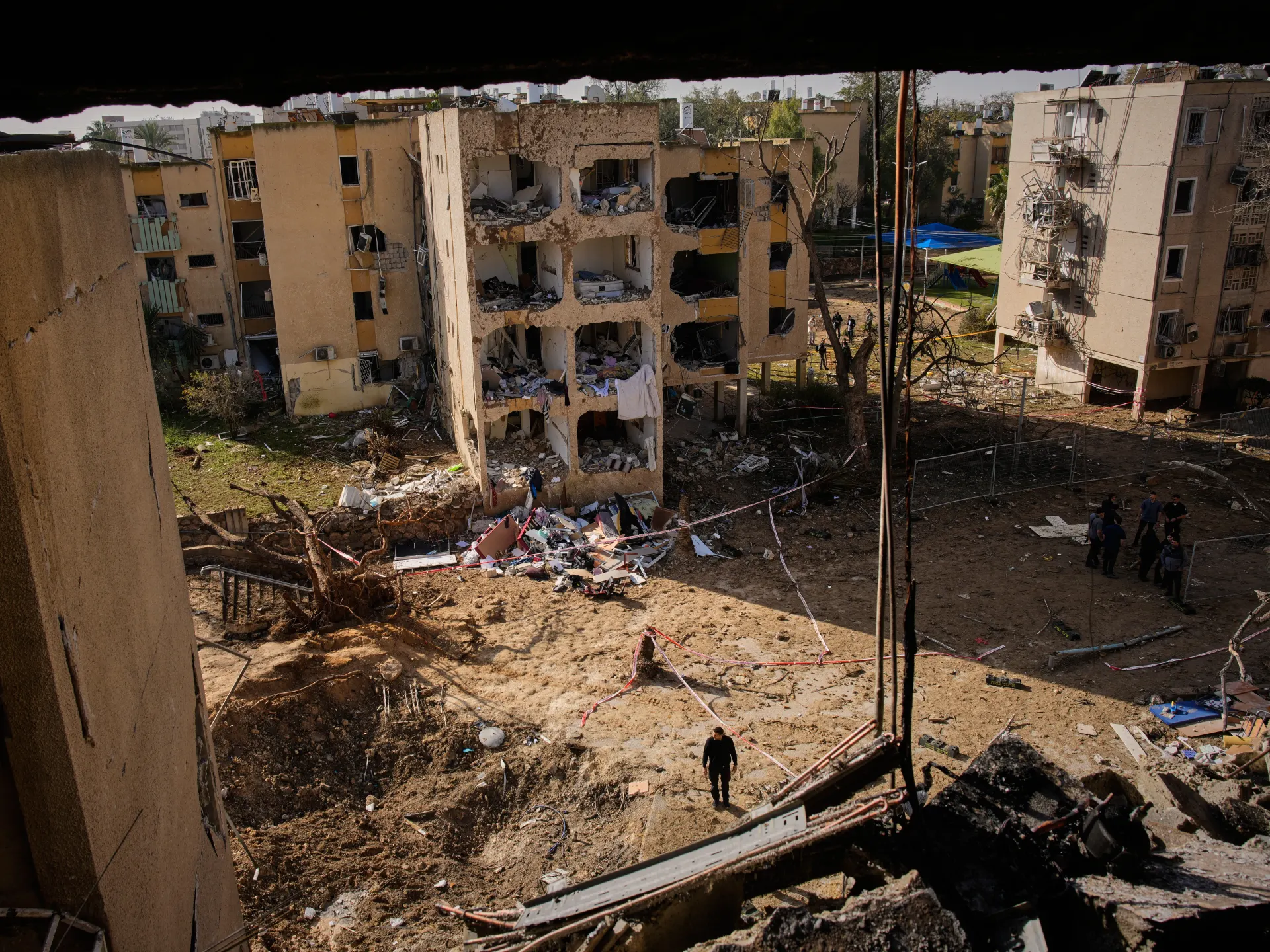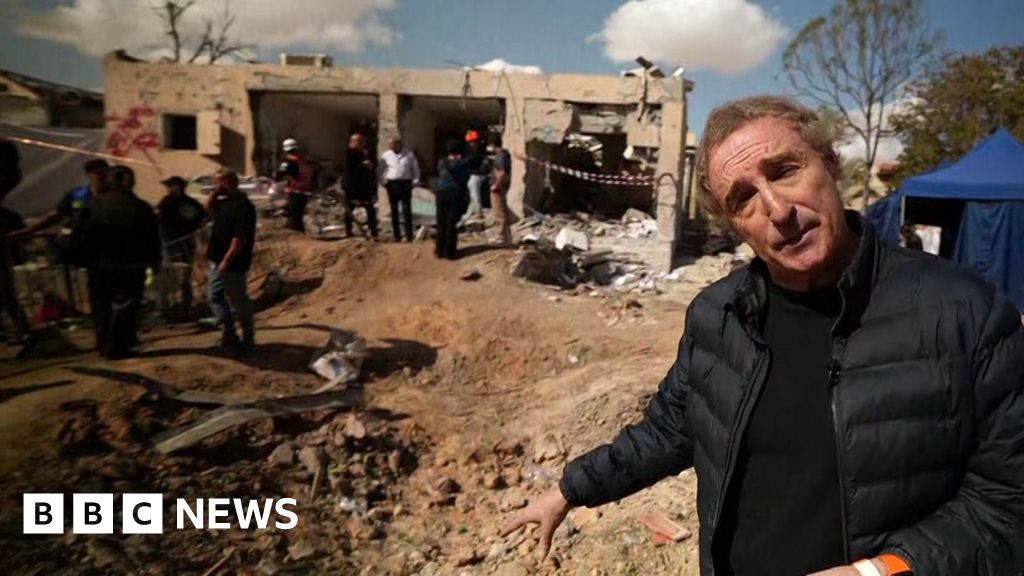

Recent escalations in geopolitical tensions, specifically Iran’s retaliatory strikes against Israel and the subsequent response, present a complex and rapidly evolving risk profile for financial markets and infrastructure investment across the Middle East and North Africa (MENA) region. While the immediate impact is felt in Israel, the broader implications for sovereign wealth funds, venture capital activity, and regional economic stability warrant careful scrutiny. The targeting of areas proximate to nuclear facilities underscores the potential for significant disruption, potentially triggering a reassessment of risk premiums across asset classes and impacting foreign direct investment flows into the region.
Sovereign capital deployment, a cornerstone of MENA economies, is likely to be significantly affected. Funds like the Abu Dhabi Investment Authority (ADIA), Qatar Investment Authority (QIA), and Saudi Arabia’s Public Investment Fund (PIF) – all substantial global investors – will face increased pressure to review their exposure to Israeli assets and potentially reassess broader regional allocations. While diversification strategies are in place, the heightened uncertainty will likely lead to a more cautious approach, prioritizing stability and liquidity over high-growth, higher-risk ventures. Furthermore, the potential for further escalation could trigger increased domestic spending within these nations to bolster security infrastructure and preparedness, diverting capital from planned international investments.
The venture capital landscape, already navigating headwinds from global macroeconomic conditions, faces a further layer of complexity. While the UAE and Saudi Arabia have aggressively pursued technology sector development through initiatives like the Saudi Venture Capital Initiative and Mubadala’s investments, the current climate introduces significant volatility. Cross-border investment flows, particularly those involving Israeli technology firms or those with significant operations in the region, are likely to be curtailed. This slowdown could disproportionately impact emerging tech hubs within the MENA region, hindering the progress towards diversification away from traditional hydrocarbon revenues. The focus will likely shift towards sectors perceived as less vulnerable to geopolitical risk, such as defense technology and cybersecurity.
Underlying all of this is the critical question of regional infrastructure resilience. The strikes highlight vulnerabilities in existing security protocols and the potential for disruption to vital transportation and energy networks. This will necessitate increased investment in defensive infrastructure, including missile defense systems and enhanced cybersecurity measures. However, the cost of such investments will further strain already stretched government budgets and could divert resources from crucial development projects aimed at improving social welfare and fostering long-term economic growth. The long-term impact will depend heavily on the trajectory of the conflict and the ability of regional actors to de-escalate tensions and restore a degree of predictability to the investment environment.