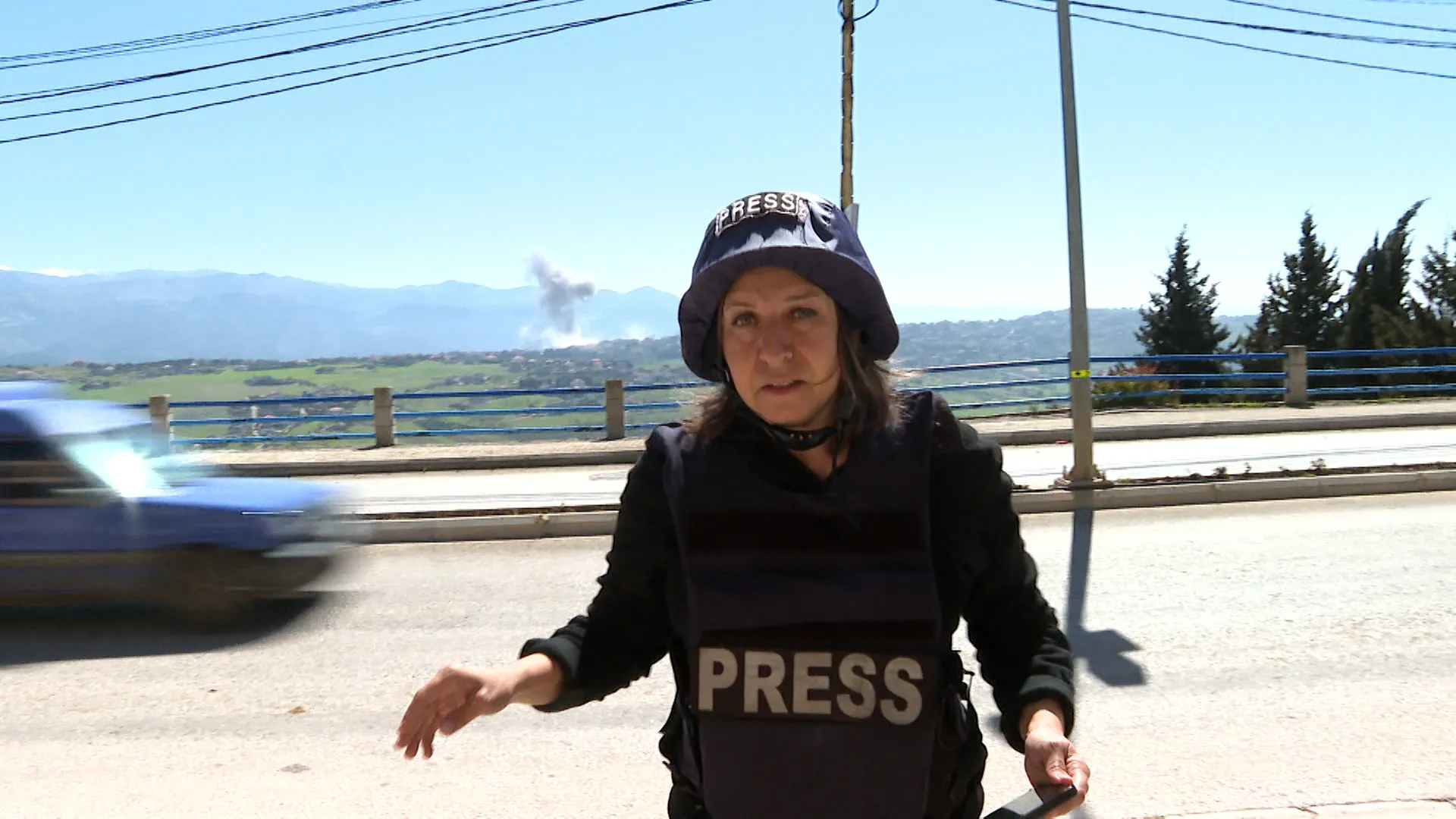

The recent escalation of tensions between Israel and Hezbollah in southern Lebanon presents a significant and multifaceted challenge for the wider Middle East, demanding immediate attention from regional and international stakeholders. Following a series of Israeli air raids and the announcement of limited ground operations targeting Hezbollah infrastructure, the conflict has rapidly intensified, transforming Marjayoun into a designated war zone and raising the specter of a broader regional conflagration. This immediate crisis underscores the fragility of the existing security architecture and necessitates a comprehensive reassessment of strategic priorities.
The business impact of this heightened instability is already substantial. Venture capital investment in the region, particularly in sectors reliant on stable operations – including technology, logistics, and tourism – is likely to experience a sharp contraction. Sovereign wealth funds, traditionally key investors in regional growth, will undoubtedly prioritize risk mitigation, potentially diverting capital towards more secure assets. Furthermore, disruptions to trade routes through the Mediterranean, coupled with increased insurance premiums and logistical hurdles, will negatively affect cross-border commerce and supply chains. The Lebanese economy, already grappling with a severe debt crisis and political instability, faces an exacerbated downturn, further hindering economic recovery efforts.
Crucially, the situation highlights the growing importance of sovereign capital within the MENA region. As external investment becomes increasingly volatile, regional governments are recognizing the need to bolster domestic financial resources. This trend is accelerating the development of state-backed investment vehicles and sovereign wealth funds, designed to insulate economies from external shocks. Simultaneously, we are witnessing a push for greater regional financial integration, with initiatives like the Arab Monetary Fund seeking to foster greater cooperation and stability within the financial landscape. However, the current crisis will test the resilience of these nascent sovereign capital mechanisms.
Beyond the immediate economic consequences, the conflict has profound implications for regional infrastructure. The targeting of Hezbollah positions necessitates a rapid overhaul of border security measures and the potential for significant investment in defensive infrastructure. Simultaneously, the humanitarian crisis unfolding in Lebanon and southern Lebanon demands immediate and sustained international assistance, including support for critical infrastructure – water, electricity, and healthcare – to mitigate the impact on civilian populations. Long-term, the conflict will likely accelerate the diversification of regional economies away from reliance on traditional sectors, driving investment in resilient, technology-driven industries and reinforcing the need for robust, interconnected digital infrastructure to support economic recovery and future growth.