
The Middle East and North Africa region continues to witness profound shifts driven by urgent humanitarian and strategic imperatives. With sovereign capital increasingly channeling resources toward large-scale diaspora and infrastructure projects, the economic calculus underpinning regional development remains fundamentally altered. The recent influx of rescued migrants into the Mediterranean—highlighted in this case—underscores not only the humanitarian crisis at play but also the escalating stakes for investors, institutional financiers, and regional stakeholders. A clear signal has emerged: the resilience of migrant networks and the persistent vulnerabilities of supply chains necessitate a recalibration of risk assessments across investment portfolios.
The involvement of sovereign wealth funds and private capital partners in regional recovery frameworks is redefining the investment landscape. While traditional ventures were often tempered by perceived instability in North African migration corridors, current developments signal a recalibration of opportunities for strategic players. The influx of displaced individuals into Mediterranean transit hubs has triggered renewed emphasis on infrastructure resilience, cross-border security mechanisms, and adaptive social safety nets—all of which represent significant value-creation opportunities for institutional investors with long-term horizons. Moreover, the lessons drawn from this episode reinforce the necessity of diversified exposure toward both physical and human capital as key drivers of regional economic stability.
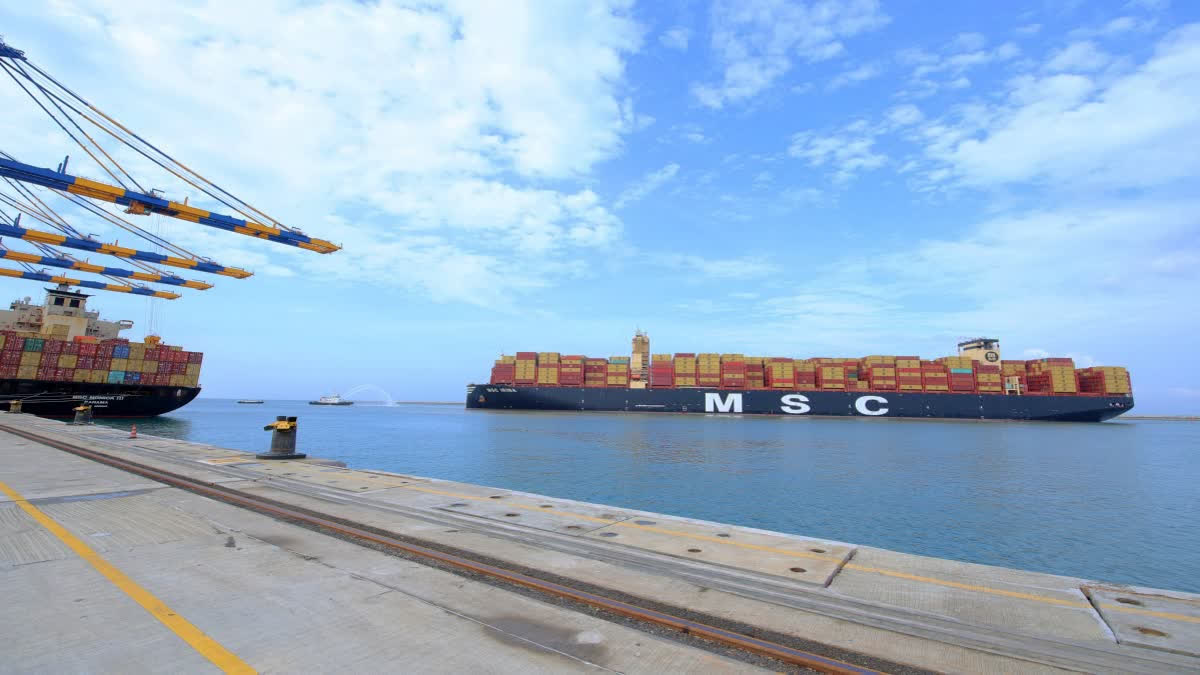
Ventures tied to maritime mobility, disaster resilience, and humanitarian response are gaining momentum as tangible assets in this evolving narrative. Regional policymakers, drawn by the geopolitical ramifications, are prioritizing projects that integrate sustainable capacity for both population movement and regional integration. The sovereign capital being deployed reflects a pragmatic pivot toward stability, underscoring the increasing integration of the Middle East in global financial systems. Ultimately, this turning point signals a fundamental reshaping of investment paradigms, where resilience and adaptability will determine the region’s competitive edge in the years ahead.