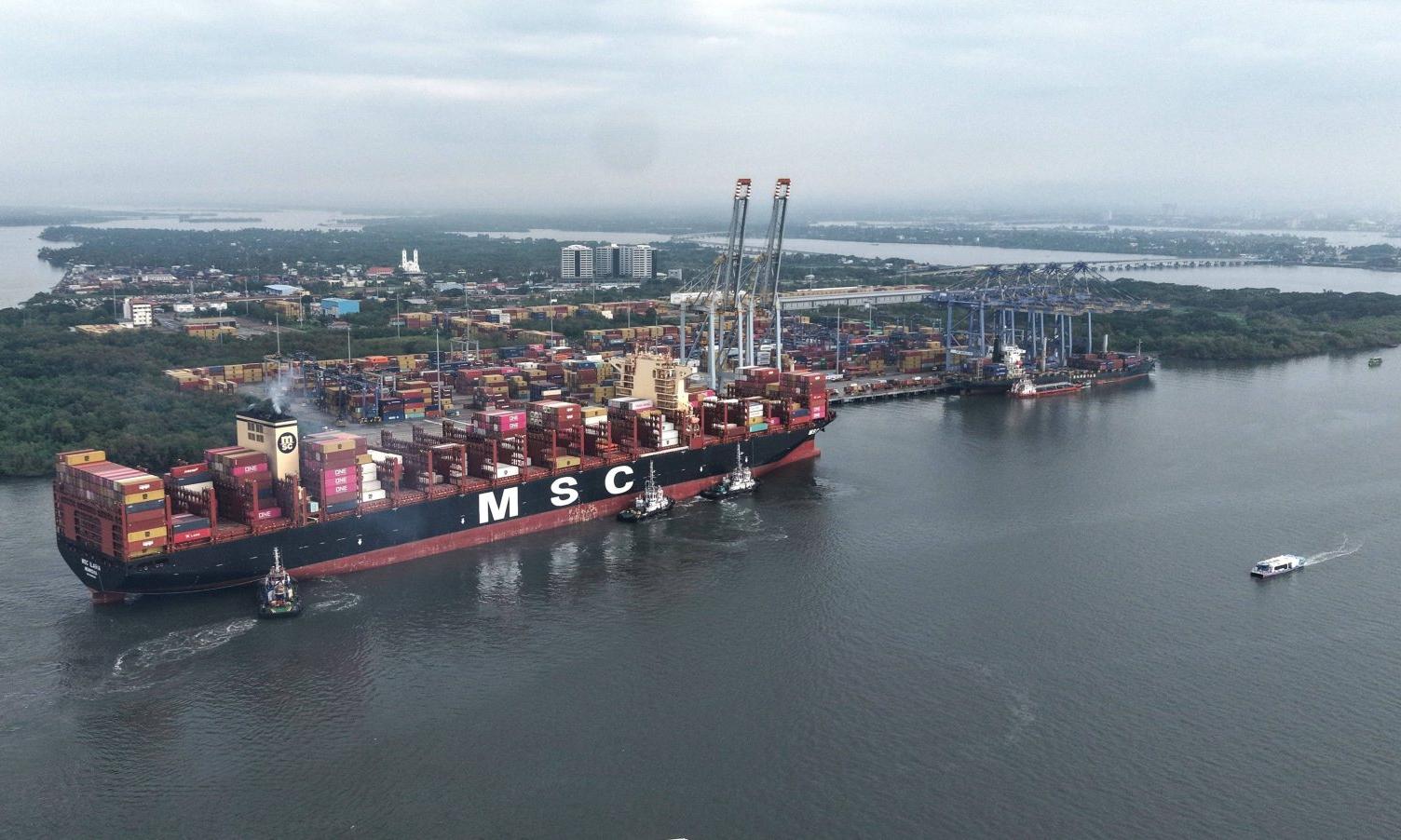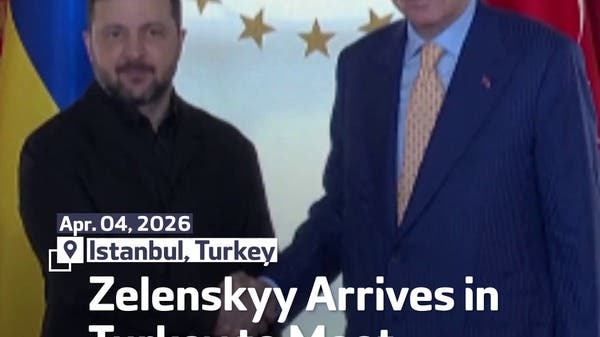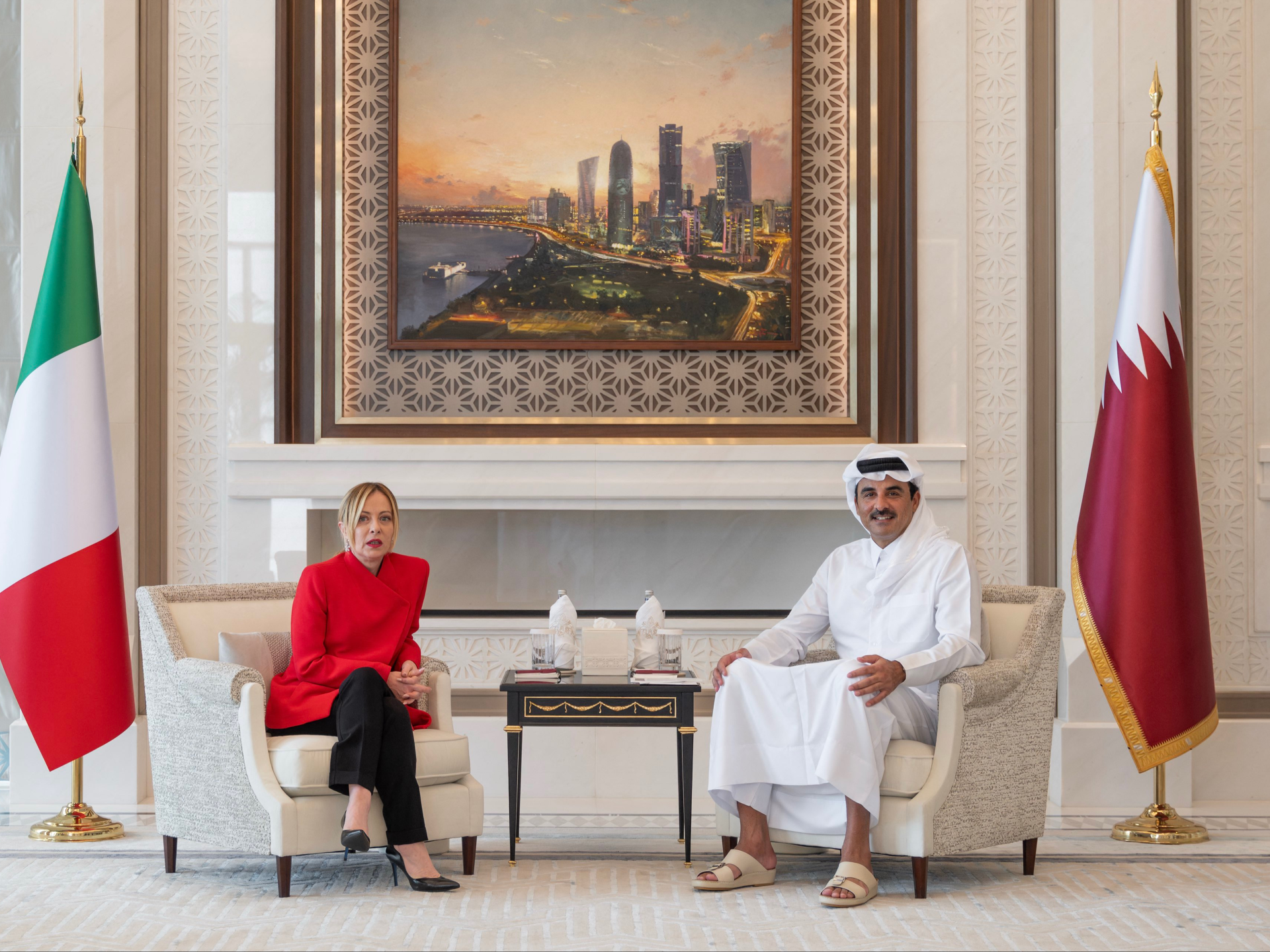

The strategic vulnerability ofMiddle East and North Africa (MENA) energy infrastructure has profound implications for regional economic stability and global markets. Italy’s Prime Minister Meloni’s visit to Qatar underscores the critical interdependence between European and Gulf energy security, particularly amid Iran’s blockade of the Strait of Hormuz, which disrupts supplies of 20% of global oil and LNG. Sovereign capital in MENA, exemplified by Qatar’s vast energy reserves, is under existential pressure as Iranian attacks on facilities like Ras Laffan Industrial City threaten output reliability. This not only jeopardizes Qatar’s role as a regional energy exporter but also amplifies sovereign wealth funds’ focus on diversifying energy portfolios and investing in redundant, regionally resilient infrastructure. The political and financial fallout necessitates urgent capital deployment to safeguard transit chokepoints and mitigate cascading disruptions to global supply chains, positioning sovereign entities as both victims and catalysts for accelerated investment in defensive and adaptive infrastructure.
Venture capital dynamics in the MENA region are being reshaped by the cascading effects of geopolitical instability and energy insecurity. The heightened risk profile has shifted investor appetite toward security technologies, energy storage solutions, and alternative fuel ventures that could alleviate dependency on volatile importing routes. Saudi Arabia, UAE, and Qatar are likely to channel sovereign funds into offensive and defensive tech ecosystems, prioritizing ventures that enhance grid cybersecurity, drone surveillance, or AI-driven threat mitigation. While traditional venture ecosystems face short-term contraction due to capital flight and regulatory uncertainty, the region’s strategic importance is inciting a surge in impact investing—particularly in ventures aligned with energy security and geopolitical resilience. The rivalry between sovereign-backed tech hubs and private capital will redefine MENA’s startup landscape, favoring scalable solutions capable of addressing both immediate crisis response and long-term systemic risks.
Regional infrastructure vulnerabilities-exposed by Iran’s escalating attacks—specifically targeting Qatar’s gas facilities and cross-border energy transit hubs—are catalyzing a sovereign-led infrastructure overhaul. Meloni’s offer to support Qatar’s energy infrastructure repair mirrors broader trends where Gulf states and European partners are collaborating on hardened, diversified energy networks to bypass Hormuz. This will demand massive sovereign capital mobilization, with sovereign wealth funds likely to prioritize projects that integrate digital twins, satellite monitoring, and modular energy storage. However, the lack of coordinated regional infrastructure governance remains a structural weakness, risking fragmented investments that fail to address systemic chokepoints. Long-term, the crisis may accelerate MENA’s pivot toward regional energy corridors and blockchain-based supply chain tracking, though such shifts require unprecedented cross-border cooperation and sovereign financing to circumvent existing geopolitical frictions.