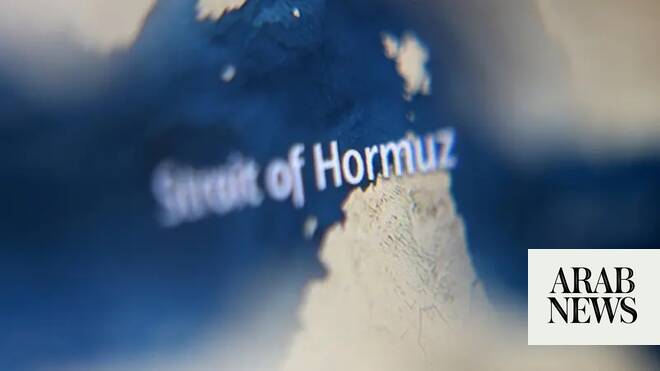
Italian Prime Minister Giorgia Meloni’s unannounced diplomatic tour of Saudi Arabia, Qatar, and the United Arab Emirates underscores a critical recalibration in Euro-Mediterranean energy and investment strategies amid escalating regional volatility. This outreach, framed as support for Gulf allies, directly addresses the acute threat to energy security posed by protracted conflicts, particularly those involving Iran and its proxies, which have destabilized key shipping lanes and supply chains. For European nations grappling with energy diversification post-Ukraine, such engagements are not merely geopolitical but fundamentally transactional—seeking to lock in long-term liquefied natural gas (LNG) and oil contracts while navigating the Gulf states’ own shift toward economic neutrality and away from exclusive Western alignments.
The business implications are profound, centering on sovereign capital reallocation. Gulf sovereign wealth funds—including Saudi Arabia’s Public Investment Fund (PIF), Qatar Investment Authority (QIA), and Abu Dhabi’s Mubadala and ADIA—are deploying record capital into European energy infrastructure and downstream ventures, explicitly hedging against regional instability. Simultaneously, these entities are accelerating divestment from volatile equities and redirecting flows toward domestic mega-projects like Saudi NEOM and Qatar’s Lusail, with spillover effects on European engineering and technology firms. This capital flight from risk assets to tangible infrastructure reflects a broader MENA trend where sovereigns prioritize strategic asset control over venture-style allocations, temporarily dampening regional VC activity despite prior enthusiasm for tech ecosystems in Dubai and Riyadh.
Venture capital and technology investment trajectories in the MENA region will face near-to-medium-term headwinds as sovereigns reallocate resources toward energy security and physical resilience. While initiatives like Saudi’s The Line and UAE’s Project 50B attract foreign direct investment in construction and renewables, early-stage tech funding may plateau as limited partners—often state-backed entities—reassess risk appetites. However, this pivot creates niche opportunities for European and Asian firms specializing in grid modernization, desalination technology, and logistics automation, as Gulf states double down on infrastructure that supports both economic diversification and military logistics. The confluence of energy and tech sectors will likely spur hybrid mandates, blending sovereign capital with corporate VC from entities like ADNOC or SABIC, focusing on AI-driven efficiency in resource management.
Infrastructure development across the MENA corridor is being reshaped by this security-driven capital surge, with implications for transcontinental trade routes such as the India-Middle East-Europe Economic Corridor (IMEC). Gulf states are fast-tracking port expansions, rail networks, and digital trade platforms, positioning themselves as indispensable nodes between Asia, Africa, and Europe. Italy’s engagement, therefore, is a bid to secure a stake in these corridors—potentially through state-backed entities like Cassa Depositi e Prestiti—ensuring Mediterranean access to Gulf investment flows. For the region, this translates into accelerated project execution but also heightened debt exposure; sustainability hinges on maintaining stable partnerships that align sovereign capital deployment with long-term economic transformation rather than short-term crisis response.