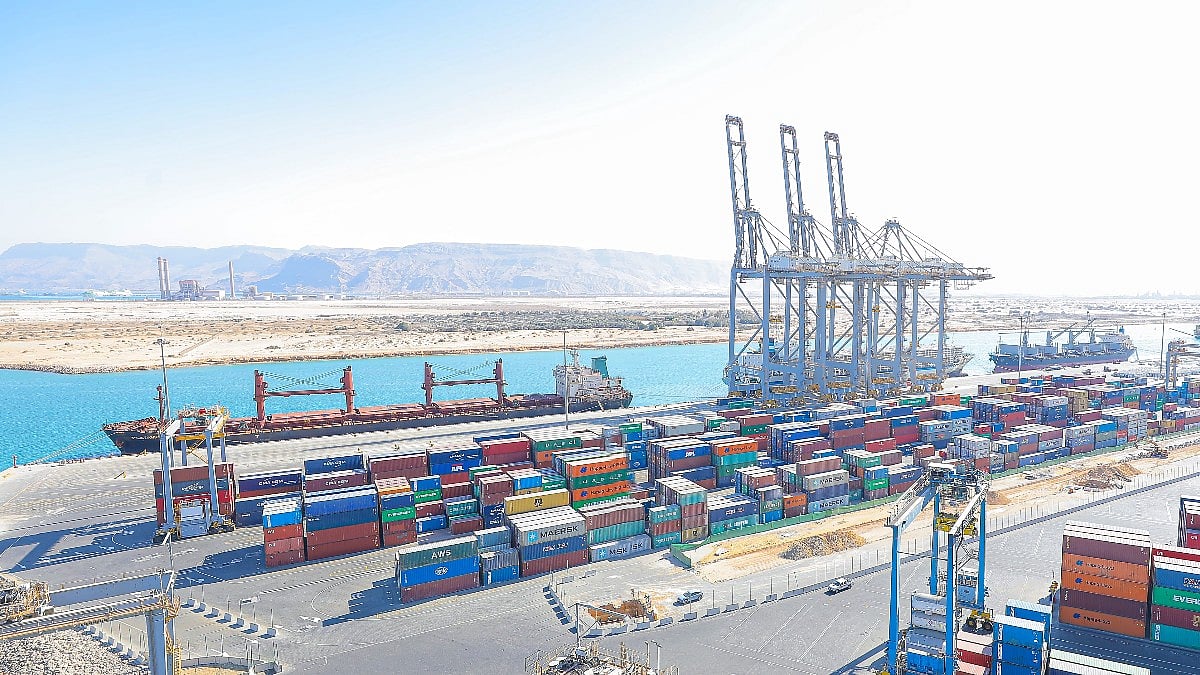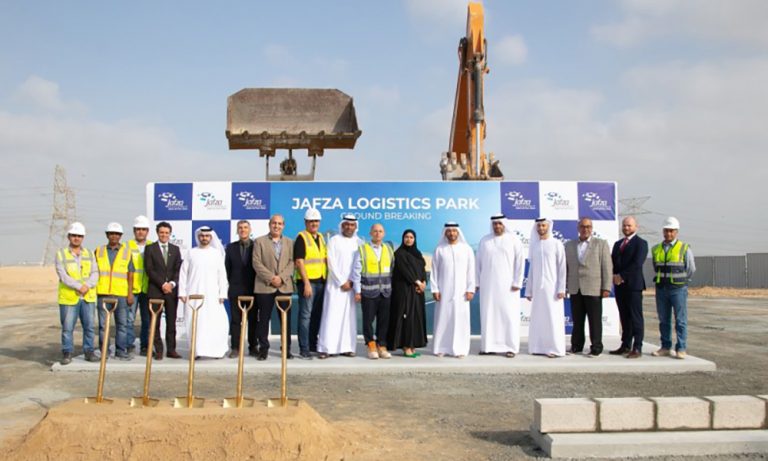

The Jafza Logistics Park epitomizes the UAE’s strategic pivot toward becoming a linchpin of global trade, with DP World’s phased warehousing expansion directly reinforcing the emirate’s sovereign‑backed diversification agenda. By delivering Grade‑A, multi‑tenant facilities adjacent to Jebel Ali Port and Al Maktoum International Airport, the park creates a high‑density logistics corridor that attracts both regional distributors and multinational e‑commerce players seeking last‑mile efficiency. This infrastructure push aligns with Dubai’s Silk Road strategy and the broader Gulf Cooperation Council’s push to monetize sovereign wealth through tangible, yield‑generating assets that reduce reliance on hydrocarbon revenues.
From a venture‑capital perspective, the park’s evolving ecosystem—featuring temperature‑controlled storage, flexible warehouse layouts, and integrated data‑driven supply‑chain services—acts as a catalyst for fintech and logistics‑tech startups. The proximity to Etihad Rail’s forthcoming Jebel Ali Station and planned rail freight terminals lowers modal transition costs, encouraging investment in automation, IoT‑enabled inventory management, and cross‑border trade platforms. Consequently, regional VC funds are increasingly allocating capital to ventures that leverage Jafza’s multimodal connectivity, viewing the park as a de‑risked testbed for scalable logistics innovations that can be replicated across MENA corridors.
Looking ahead, the continued expansion of Jafza Logistics Park will sustain its role as a critical node in the Middle East‑Africa‑Asia trade triangle, bolstering supply‑chain resilience amid fluctuating global demand. Sovereign investors are likely to view subsequent phases as attractive, long‑duration infrastructure equity opportunities, while private‑equity and infrastructure funds may seek co‑investment structures that capture both rental yields and value‑add from ancillary services. The park’s trajectory underscores how targeted sovereign capital, paired with private venture activity, can transform a logistics hub into a broader economic engine that underpins the region’s ambition to lead in trade, technology, and sustainable growth.