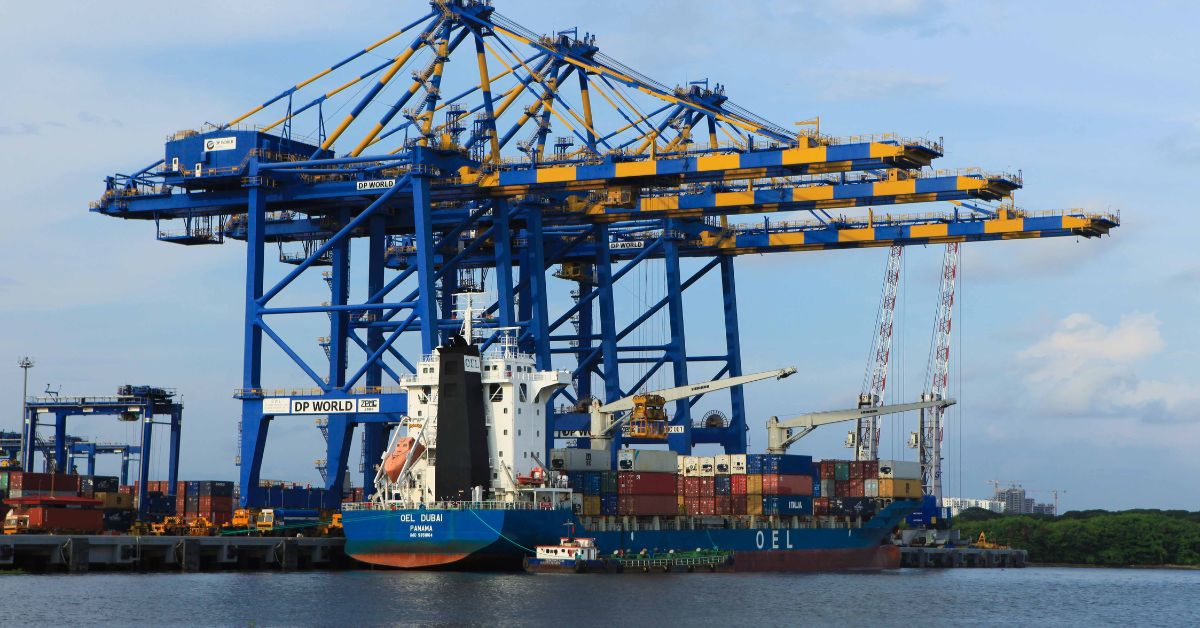

Japan’s strategic pivot toward physical AI underscores a critical shift in global industrial dynamics, with profound implications for the Middle East and North Africa (MENA) region. As Japan grapples with demographic contraction and labor shortages, its aggressive investment in AI-driven robotics and automation could serve as a catalyst for MENA nations to accelerate their own technological transitions. The region, characterized by youthful populations and growing economic diversification goals, stands to benefit from adopting similar models to address labor gaps and enhance productivity. However, the MENA’s reliance on manual labor-intensive sectors, from construction to logistics, necessitates tailored strategies to integrate physical AI without displacing existing workforces—a challenge Japan has yet to fully resolve. This dynamic positions MENA as both a potential adopter and a cautionary case study, depending on how governments and private sectors balance innovation with socio-economic equity.
Sovereign capital plays a pivotal role in shaping the MENA’s approach to physical AI. Japan’s $6.3 billion commitment to AI infrastructure highlights the importance of government-backed initiatives, a model MENA policymakers may seek to emulate as they diversify oil-dependent economies. Countries like Saudi Arabia and the UAE have already launched national AI strategies, such as Vision 2030, which prioritize robotics and smart infrastructure. However, the MENA’s fragmented regulatory frameworks and varying levels of digital maturity create uneven opportunities. Sovereign investment in hardware-software ecosystems—particularly in sectors like defense, logistics, and energy—could unlock cross-border collaborations, but it requires alignment with global standards and risk mitigation strategies. The region’s ability to secure long-term capital for AI infrastructure will depend on its capacity to demonstrate tangible economic returns and geopolitical resilience.
Venture capital in MENA is increasingly targeting physical AI, though the ecosystem remains nascent compared to Japan’s mature environment. Japanese firms like Mujin and WHILL exemplify the fusion of hardware expertise with software-driven autonomy, a blueprint MENA startups could follow. However, the region’s venture capital landscape is still dominated by early-stage investments, limiting the scale of physical AI deployments. To bridge this gap, MENA’s VC firms must prioritize partnerships with global robotics leaders and local hardware manufacturers, fostering integrated systems that address region-specific challenges such as extreme climates and infrastructure gaps. Additionally, the rise of hybrid ecosystems—where established conglomerates and agile startups collaborate—could accelerate innovation, as seen in Japan’s Toyota-Mujin partnerships. Such models may offer MENA a pathway to build competitive advantages in niche sectors like autonomous energy grids or AI-driven urban planning.
Regional infrastructure modernization will be critical to MENA’s adoption of physical AI, demanding investments in 5G, edge computing, and data centers to support real-time robotics and IoT integration. Japan’s success in deploying robots across automotive plants and logistics hubs hinges on its advanced digital twin ecosystems, a capability MENA must develop to avoid over-reliance on foreign software platforms. The region’s infrastructure deficits—evident in inconsistent power grids and limited high-speed connectivity—pose significant barriers, necessitating public-private partnerships to create foundational tech ecosystems. By prioritizing interoperable systems and open-source platforms, MENA countries could mitigate vendor lock-in risks and foster a competitive physical AI landscape. Ultimately, the region’s ability to transform its infrastructure into a testbed for AI-driven automation will determine its relevance in the global industrial value chain.