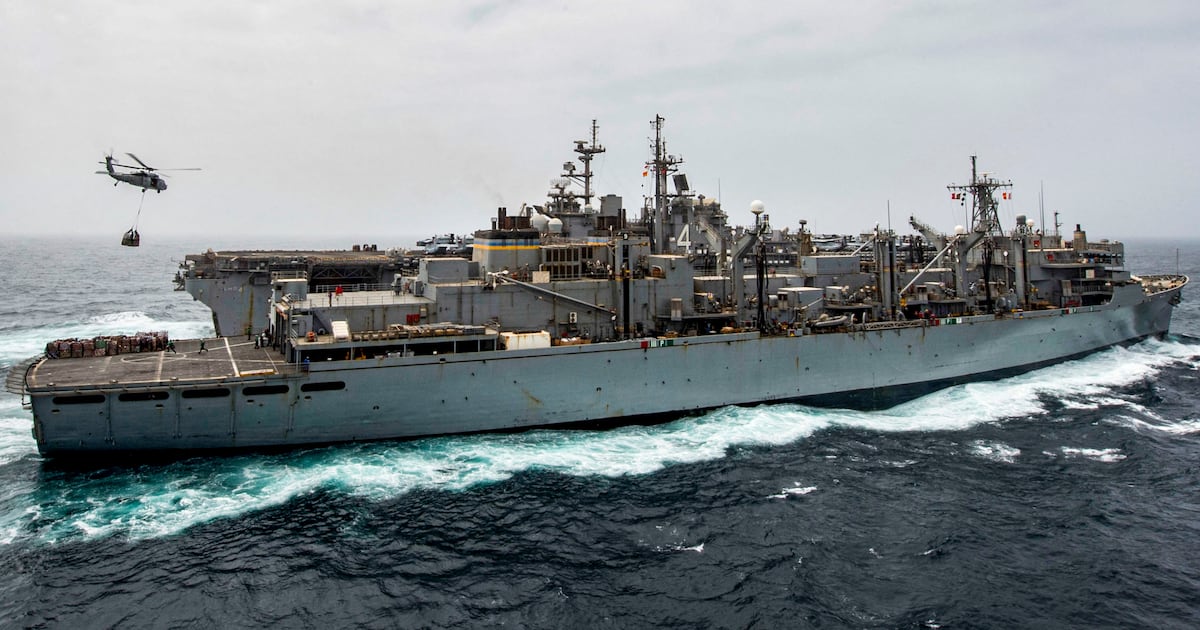

The escalating tensions in the Strait of Hormuz underscore a critical juncture for energy security and regional stability in the Middle East andNorth Africa (MENA). Iran’s repeated attacks on commercial vessels and infrastructure, coupled with its de facto control over the narrowest shipping route for global oil shipments, pose a direct threat to the free flow of energy and goods. For the UAE and its Gulf allies, this exacerbates existing vulnerabilities in energy infrastructure and global supply chains, risking higher insurance premiums, disrupted trade routes, and increased operational costs for energy exports. The call for compliance with UN Security Council Resolution 2817 highlights a growing consensus among Western nations and regional partners that economic coercion and military deterrence are insufficient to address Iran’s brinkmanship, necessitating a multilateral strategy to insulate critical maritime corridors from state-sponsored disruptions.
Sovereign capital flows in the MENA region face heightened scrutiny as the crisis deepens. Gulf states’ ability to attract and retain foreign direct investment hinges on credible security guarantees and transparent governance amid geopolitical volatility. Iran’s actions, framed as retaliatory measures against Western sanctions, risk alienating international lenders and investors wary of exposure to conflict zones. Simultaneously, the UAE’s coordinated defense efforts—intercepting hundreds of missiles and drones since February—signal a strategic pivot toward bolstering sovereign resilience against asymmetric threats. This dual focus on safeguarding energy infrastructure and diversifying regional partnerships could reshape sovereign credit risk assessments, with long-term implications for debt financing and economic confidence across the Gulf.
Venture capital and technology-driven innovation in the MENA region are emerging as indirect beneficiaries of the crisis, as Gulf states accelerate investments in defense technologies and critical infrastructure. The UAE’s high-profile deployment of advanced missile defense systems and its collaboration with global defense firms illustrate a growing trend of public-private partnerships to counter regional destabilization. Meanwhile, disruptions to the Strait of Hormuz may further incentivize diversification of energy supply chains, creating opportunities for fintech and logistics innovations that enhance trade resilience. However, the risk of prolonged instability could dampen long-term venture capital inflows into sectors outside of defense and energy, as investors prioritize short-term risk mitigation over speculative bets.
Regional infrastructure development will remain central to mitigating the economic fallout from ongoing hostilities. The UAE’s emphasis on coordinated efforts to ensure safe passage through the Strait of Hormuz reflects broader initiatives to strengthen maritime security frameworks across the Gulf Cooperation Council (GCC). Partnerships with international actors, including Italy, Germany, and Japan, point to a diversification of security alliances beyond traditional U.S. patronage, aligning with the region’s geopolitical rebalancing. For MENA nations, the crisis underscores the urgency of investing in resilient infrastructure—from regional diversification of energy exports to digital monitoring systems for maritime routes—to insulate economies from external shocks and foster sustainable growth.