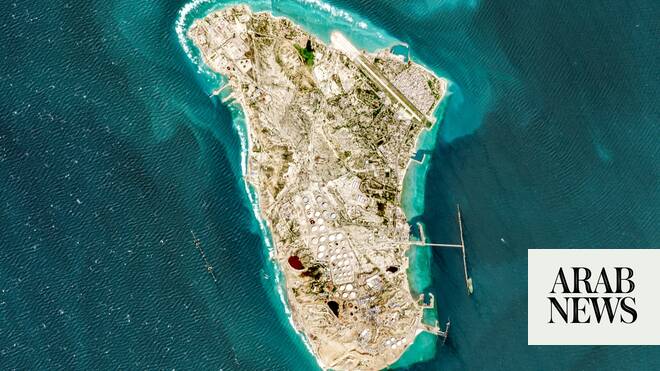

Kharg Island, a strategically located coral atoll in the Arabian Gulf, has emerged as a critical node in the ongoing geopolitical tension between the United States and Iran, with profound implications for the Middle East and North Africa (MENA) region’s economic and infrastructural landscape. As Iran’s primary oil export hub, responsible for handling up to 90% of its crude oil shipments, Kharg Island represents a vital artery for Tehran’s state revenue and a significant vulnerability in its economic framework. The recent US airstrike on the island, while deliberately avoiding oil infrastructure to mitigate immediate market disruptions, underscores the escalating risks to energy supply chains and the potential for significant regional instability. This situation necessitates a careful assessment of sovereign capital deployment, private sector investment, and the resilience of regional infrastructure.
The business impact of potential control over Kharg Island is substantial. For the US, seizing the island represents a high-stakes gamble aimed at directly curtailing Iran’s oil revenues and leveraging economic pressure to influence its behavior, particularly concerning disruptions in the Strait of Hormuz – a chokepoint of global oil trade. However, any such action carries significant risks of escalating conflict and disrupting global energy markets. Conversely, for Iran, maintaining control of Kharg Island is paramount to its economic stability. The island, connected to mainland oil fields via pipelines and boasting substantial storage capacity, is the operational core of its petroleum sector. Continued investment in infrastructure, with reported loading capacities reaching 7 million barrels per day (though currently operating at approximately 1.6 million), signals the importance Tehran places on this asset. The potential for Iranian retaliation targeting Gulf infrastructure adds further complexity and uncertainty to this dynamic.
Beyond immediate geopolitical and economic consequences, the situation at Kharg Island highlights the broader implications for sovereign capital and regional infrastructure development within the MENA region. The island’s unique geography, permitting access for large supertankers, underscores the strategic importance of securing access to vital maritime infrastructure. The potential for increased military activity necessitates a re-evaluation of investment priorities in coastal defenses and infrastructure protection across the region. Furthermore, the disruption of energy flows could trigger a surge in demand for alternative supply routes and energy sources, potentially accelerating investment in regional energy diversification projects and renewable energy initiatives. The incident also emphasizes the interconnectedness of energy security with geopolitical stability and the potential cascading effects of conflict on regional economies.
The long-term ramifications extend to venture capital and private sector activity. Increased geopolitical risk will likely dampen foreign direct investment in the region, particularly in sectors reliant on stable energy markets and predictable trade routes. However, it may also spur investment in security technologies and infrastructure resilience. The experience at Kharg Island will undoubtedly inform future strategic planning for energy companies and governments in the MENA region, prompting greater emphasis on contingency planning, diversified supply chains, and robust risk management strategies. Furthermore, it necessitates a closer examination of the role of regional cooperation in mitigating geopolitical risks and ensuring the uninterrupted flow of energy to global markets.