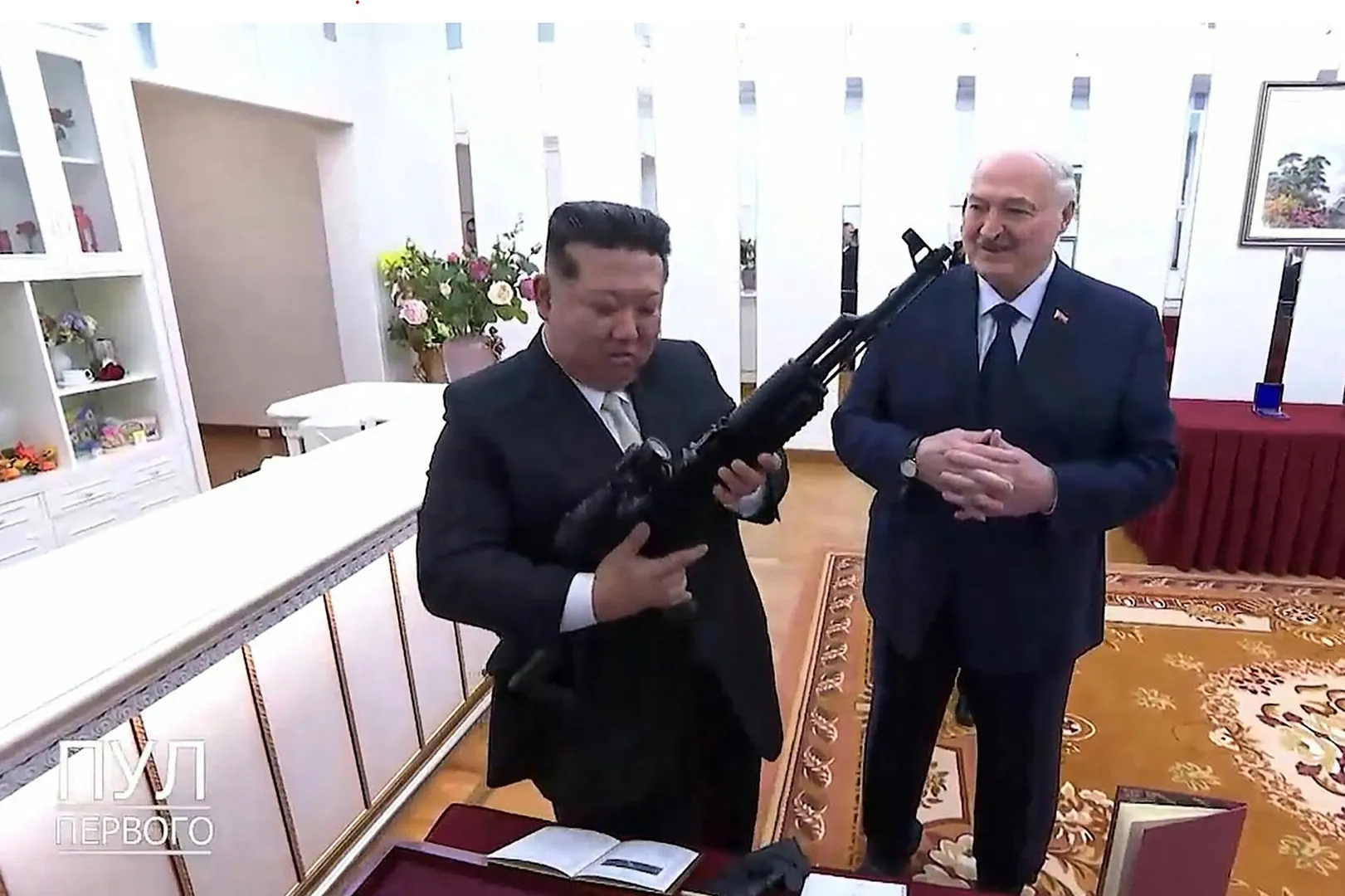

The recent high-level engagement between Belarus and North Korea, marked by a defense cooperation agreement and strategic gifts, underscores a recalibration of global alliances that carries significant implications for MENA sovereign capital and regional investment strategies. For Gulf Cooperation Council sovereign wealth funds, which currently deploy over $3 trillion in assets, these partnerships signal diversification opportunities beyond traditional Western markets, potentially unlocking frontier market exposure in defense-related industries and critical mineral supply chains. Simultaneously, the alignment may accelerate capital flight from sanctioned entities, forcing regional investors to reassess risk matrices in sectors like energy and logistics, where MENA’s geographical proximity offers logistical advantages for rerouting trade flows.
For venture capital ecosystems across the MENA region, shifting geopolitical dynamics present both challenges and strategic openings. While regional startups in sectors like cybersecurity and fintech may face increased regulatory scrutiny given Western sanctions concerns, the emerging axis could catalyze cross-border R&D partnerships, particularly in autonomous systems and advanced manufacturing. GCC sovereign-backed venture capital firms already committing $20 billion annually to tech investments may expand due diligence protocols to screen for supply chain dependencies, while identifying opportunities in dual-use technologies that comply with international norms while leveraging MENA’s growing tech talent hubs.
From an infrastructure perspective, the Belarus-North Korea axis highlights vulnerabilities in global supply chains that MENA nations are aggressively addressing through $800 billion in planned infrastructure projects. The region’s strategic position between Europe and Asia positions it as a potential logistics corridor, with ports in UAE and Egypt already enhancing multimodal capabilities. Sovereign developers like NEOM and Dubai’s DP World may accelerate construction of trade hubs designed to accommodate alternative supply routes, while regional governments prioritize cybersecurity infrastructure and critical asset protection—key considerations as sovereign capital increasingly flows into hard assets resilient to geopolitical fragmentation.