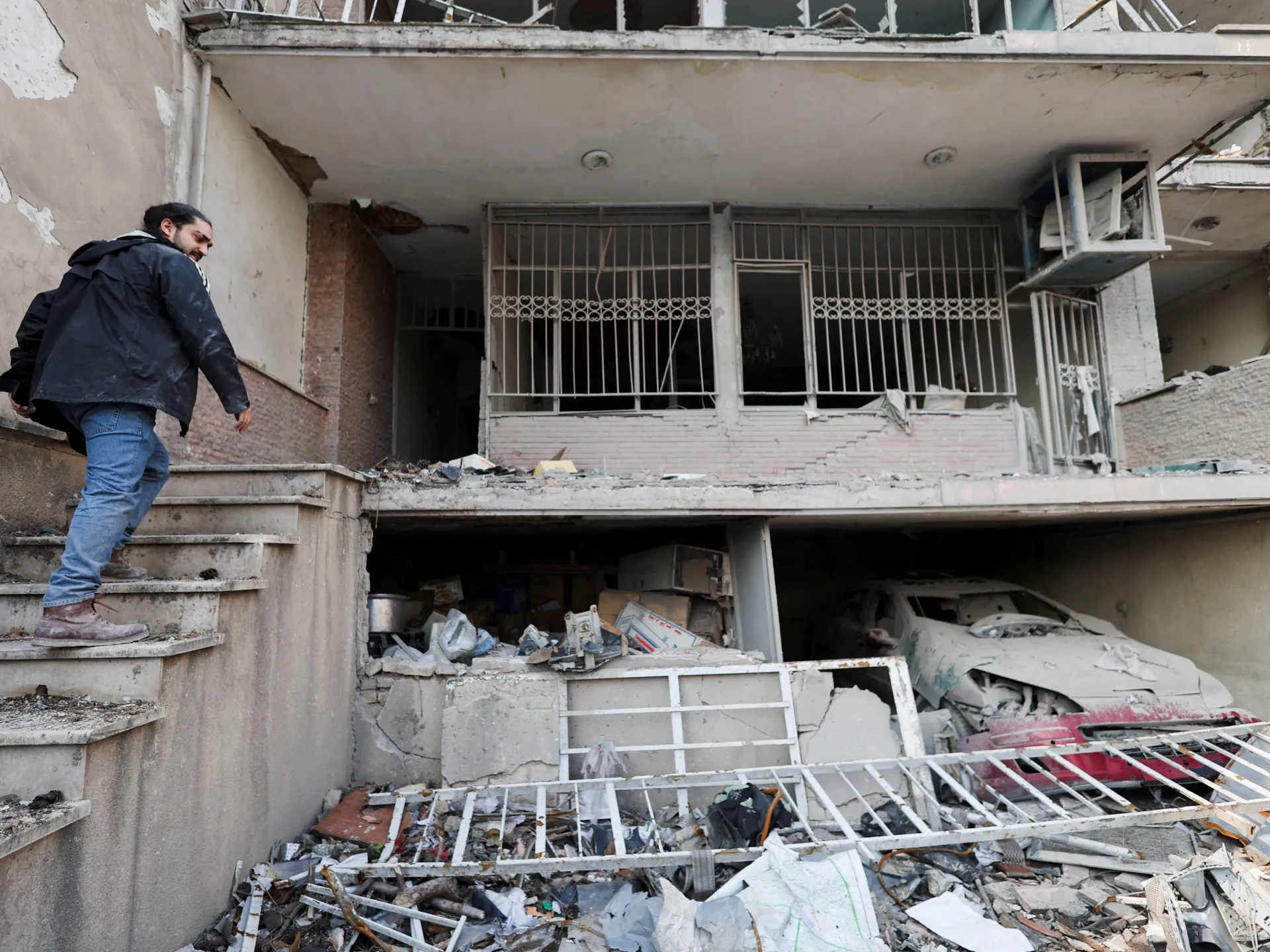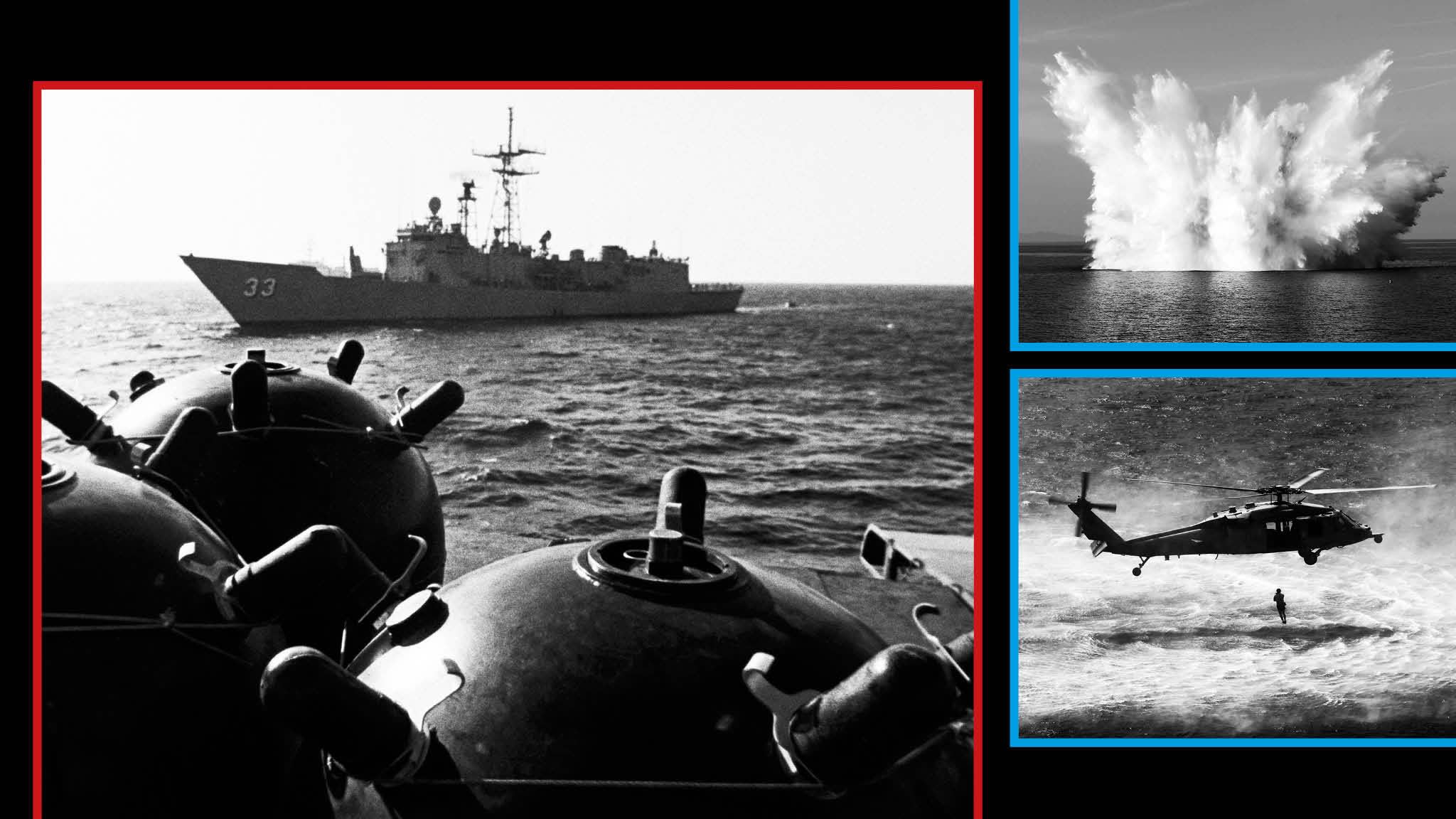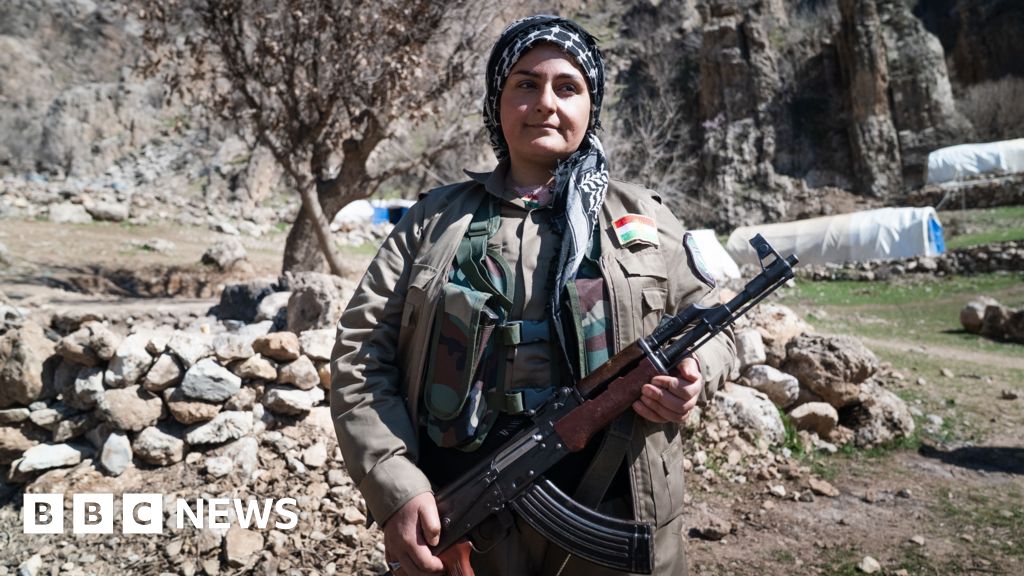

The recent declaration by Iraqi-based fighters that they are “ready to go home,” juxtaposed with escalating drone strikes originating from Tehran, underscores a widening fault line in the security architecture of the Levant. While the immediate narrative centers on militia maneuvering, the underlying ramifications reverberate through the financial calculus of sovereign investors and corporate strategists across the MENA region. Heightened geopolitical volatility is already prompting a reassessment of risk premia attached to assets exposed to Iraq‑Iran flashpoints, with market participants recalibrating exposure to sovereign bonds, energy infrastructure, and logistics corridors that traverse the contested borderlands.
Sovereign wealth funds and state‑backed investment vehicles, which have traditionally allocated sizable capital to long‑term infrastructure projects in Iraq—ranging from power grid upgrades to petrochemical complexes—are now demanding higher returns and stronger contractual safeguards. The perceived increase in the likelihood of disruptive drone incursions has led several Gulf‑based investors to pause or re‑scope commitments, redirecting capital toward comparatively stable hubs such as the United Arab Emirates and Saudi Arabia. This shift is evident in the widening of credit default swap spreads on Iraqi sovereign debt and a measurable uptick in the yield demanded for project‑finance bundles linked to critical transportation arteries.
Venture capital activity, particularly in the fintech and digital‑services sectors that have begun to take root in Baghdad and Erbil, is feeling the chill of heightened uncertainty. Early‑stage funds report a slowdown in deal flow as limited partners scrutinize the resilience of portfolio companies against potential supply‑chain interruptions and cyber‑physical threats emanating from cross‑border hostilities. Consequently, accelerators and corporate venture arms are emphasizing the need for robust risk‑management frameworks, including redundant data‑center architectures and extraterritorial backup operations, to safeguard valuations and sustain investor confidence.
Looking ahead, the interplay of security dynamics and capital flows will likely accelerate a bifurcation of the MENA investment landscape: peripheral jurisdictions facing persistent militia‑state tensions may see a contraction in direct sovereign and venture inflows, while central Gulf economies stand to capture redirected capital seeking safer havens. Policymakers in affected states must therefore prioritize de‑escalation mechanisms, strengthen bilateral security dialogues, and invest in hardened, technology‑driven infrastructure to restore credibility and reposition their economies as viable destinations for both sovereign and private capital in the post‑conflict era.