
Iran’s escalating missile and drone attacks on Gulf states have exposed systemic vulnerabilities in the region’s economic and geopolitical architecture, posing cascading risks to sovereign stability, venture capital ecosystems, and critical infrastructure. The Gulf’s role as a linchpin of global energy and trade has been weaponized, disrupting decades of carefully calibrated risk management frameworks. For sovereign entities, the financial fallout is multifaceted: credit rating agencies are likely to reassess the fiscal health of Gulf Cooperation Council (GCC) states as heightened volatility spurs capital flight and strains foreign exchange reserves. Countries reliant on oil revenues, already grappling with post-pandemic debt restructurings, face renewed pressure as geopolitical risk premiums depress crude prices and deter long-term sovereign investment. Kuwait’s measured but implicit invocation of Article 51 underscores a broader existential dilemma—defense-dependent economies risk bifurcating between maintaining global trade partnerships and prioritizing regional security, a tension that could exacerbate sovereign borrowing costs.
The venture capital landscape in the region is undergoing a seismic shift. Gulf states have increasingly positioned themselves as hubs for tech innovation, leveraging sovereign wealth funds and tax incentives to lure startups. However, the current instability undermines investor confidence, diverting capital toward “safe haven” sectors like cybersecurity and defense technology. Early-stage ventures—particularly those dependent on cross-border collaboration—are grappling with travel bans, talent attrition, and supply chain ruptures. The spillover effects extend to global tech firms: operational assets in conflict zones are being stress-tested, revealing inadequate contingency planning for scenarios where human resources and logistics infrastructure are abruptly compromised. In a region where venture capital still lags behind Silicon Valley-scale exits, this crisis could stall a decade of measured progress.
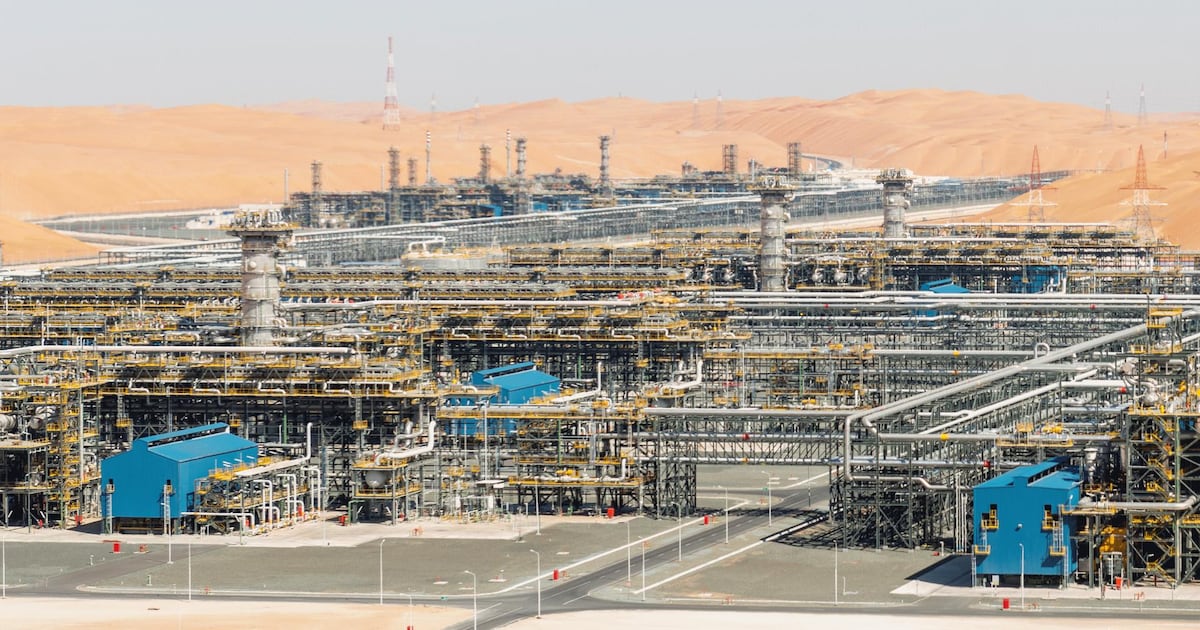
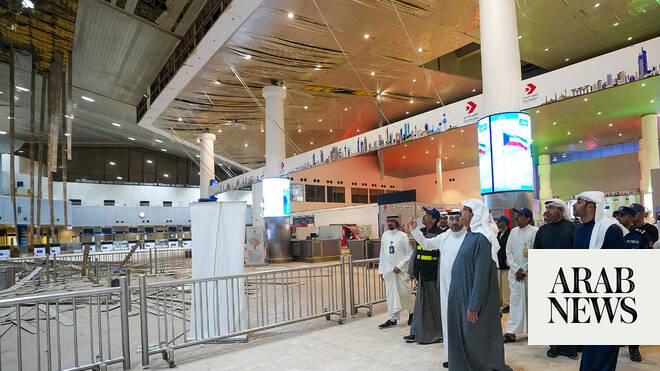
Critical infrastructure across the GCC is under siege, not just metaphorically but physically. While air defense systems have counterpartnered nearly 90% of incoming threats, the financial toll—estimated at billions in damaged aircraft, airport closures, and accelerated military spending—will ripple through sovereign budgets and balance sheets. Civilian airports, linchpins of global logistics, have become frontline collateral in this conflict, threatening just-in-time supply chains and exacerbating inflationary pressures in energy-import-dependent economies. The Strait of Hormuz, which facilitates 17 million barrels of oil and 4 trillion cubic meters of liquefied natural gas daily, remains a flashpoint for global markets. Threats to its neutrality risk triggering trade reroute inefficiencies, with energy sector derivatives and shipping insurance premiums poised to spiral. The instability also jeopardizes Gulf states’ ability to underwrite their own infrastructure projects, including megaports like Jebel Ali and Sohar, which are critical to regional trade resilience.