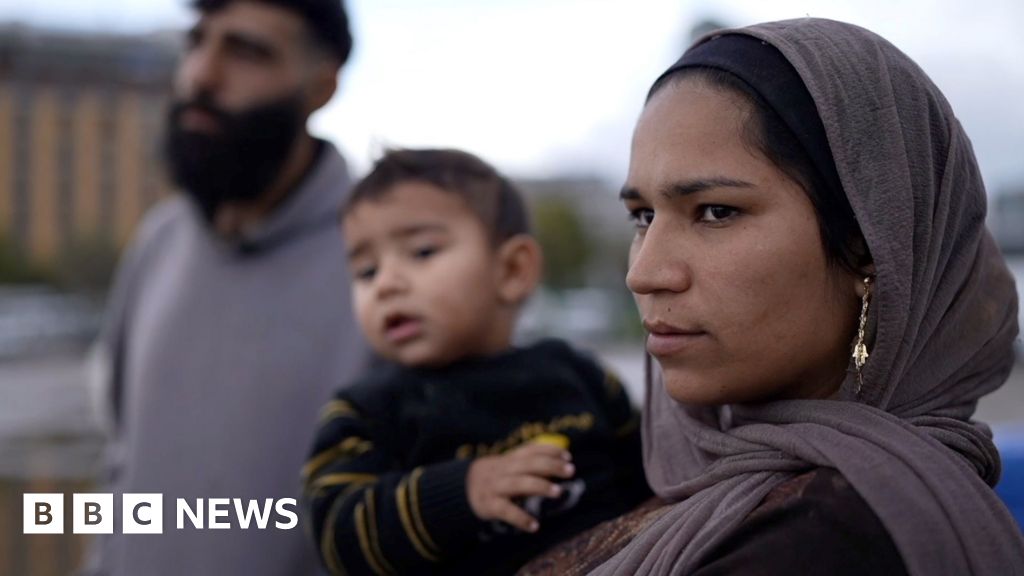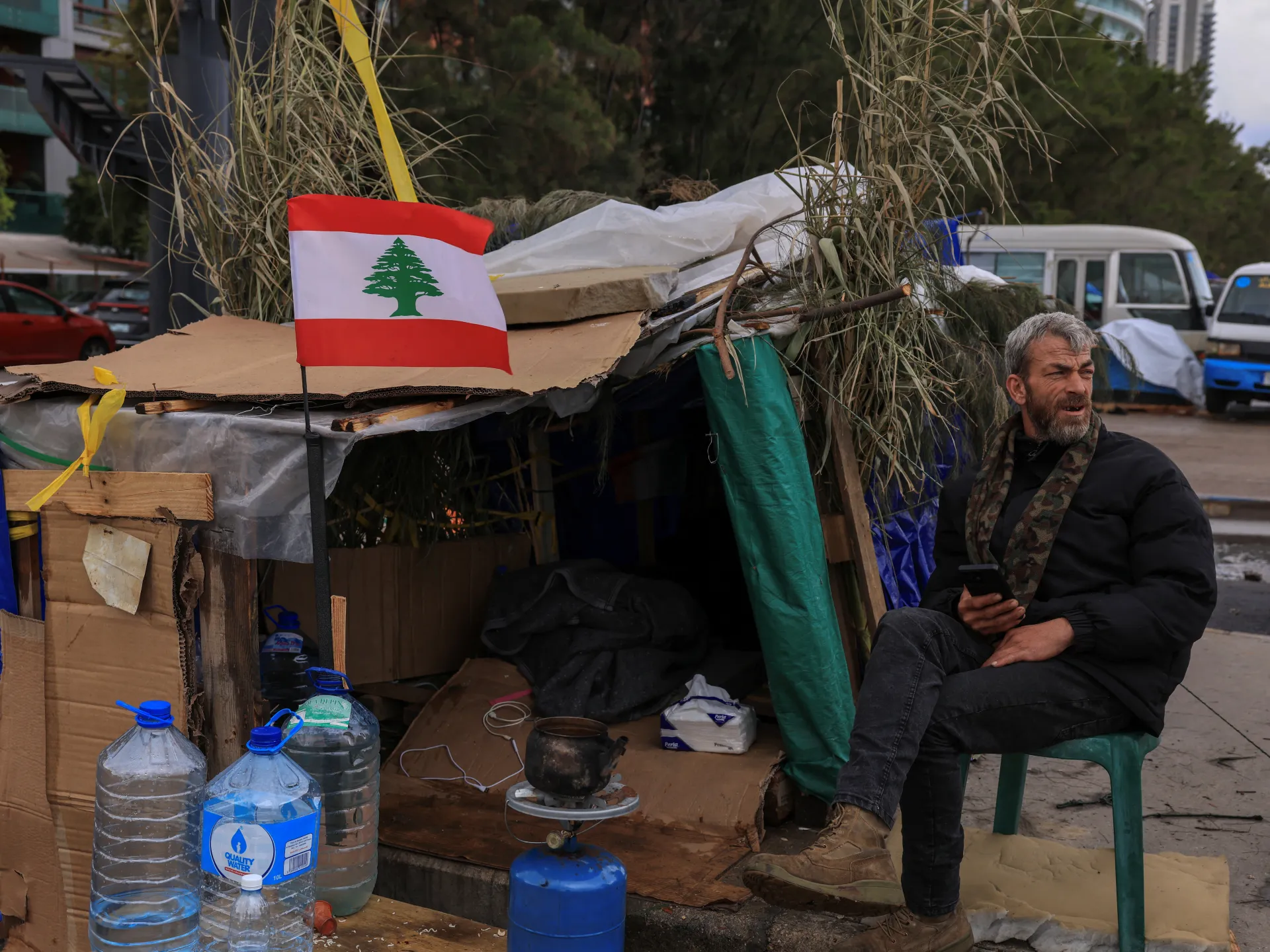

The escalating conflict in Lebanon represents a profound systemic shock with far-reaching implications for regional economic stability and capital flows. The United Nations High Commissioner for Refugees (UNHCR) estimates over 1.2 million Lebanese displaced internally, compounding an already fragile post-war economy. This massive displacement disrupts labor markets, destroys critical infrastructure, and triggers capital flight as foreign investors reassess sovereign risk. Lebanon’s sovereign creditworthiness, already teetering, faces further deterioration due to heightened instability, potential sanctions pressure, and the escalating costs of reconstruction. The international community’s response will be pivotal in stabilizing markets and preventing a deeper fiscal crisis.
Beyond immediate humanitarian crises, the conflict inflicts severe damage on critical physical and digital infrastructure. Key transportation arteries, ports, and telecommunications networks in southern Lebanon and Beirut’s suburbs suffer extensive destruction, crippling domestic logistics and regional trade corridors. The private sector, particularly technology and logistics firms, faces existential threats as operations halt and supply chains fracture. Rebuilding these networks demands colossal investment, straining already depleted fiscal resources. This creates a significant opportunity cost, diverting potential capital towards reconstruction rather than productive private sector growth or sovereign debt servicing.
The geopolitical friction between regional powers, manifested in this conflict, amplifies volatility across MENA capital markets. Investors are increasingly hedging exposure to states embroiled in protracted warfare, accelerating outflows from Lebanon and potentially neighboring countries. Venture capital, a nascent but crucial engine for innovation and job creation in Lebanon, faces severe headwinds. The heightened risk profile deters foreign direct investment (FDI) and stifles domestic entrepreneurial activity. Moreover, the conflict’s trajectory influences broader regional perceptions of stability, impacting cross-border capital movements and the attractiveness of sovereign bonds from allied states. Sustained instability risks fragmenting markets and deepening sovereign capital scarcity across the Levant.