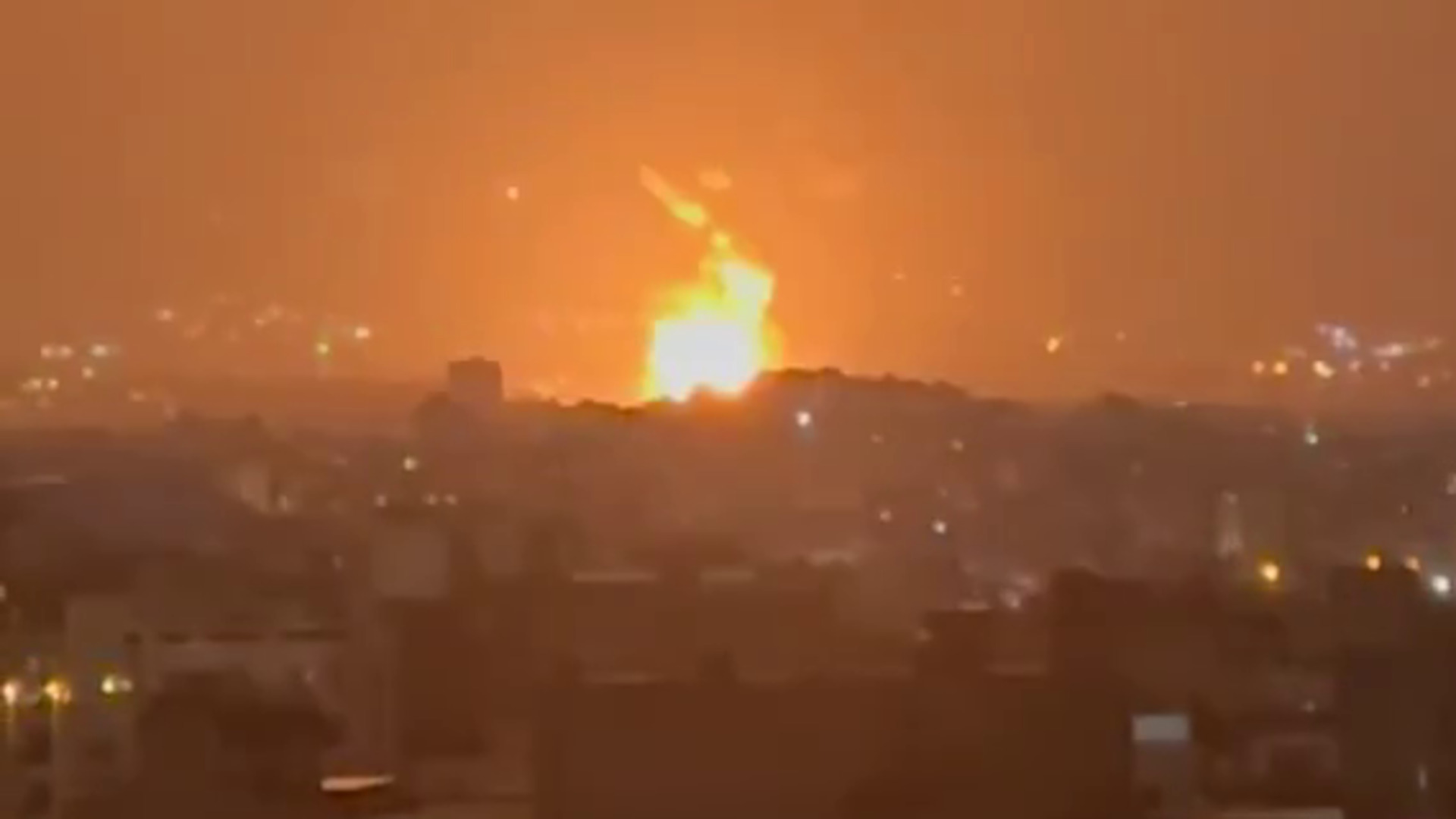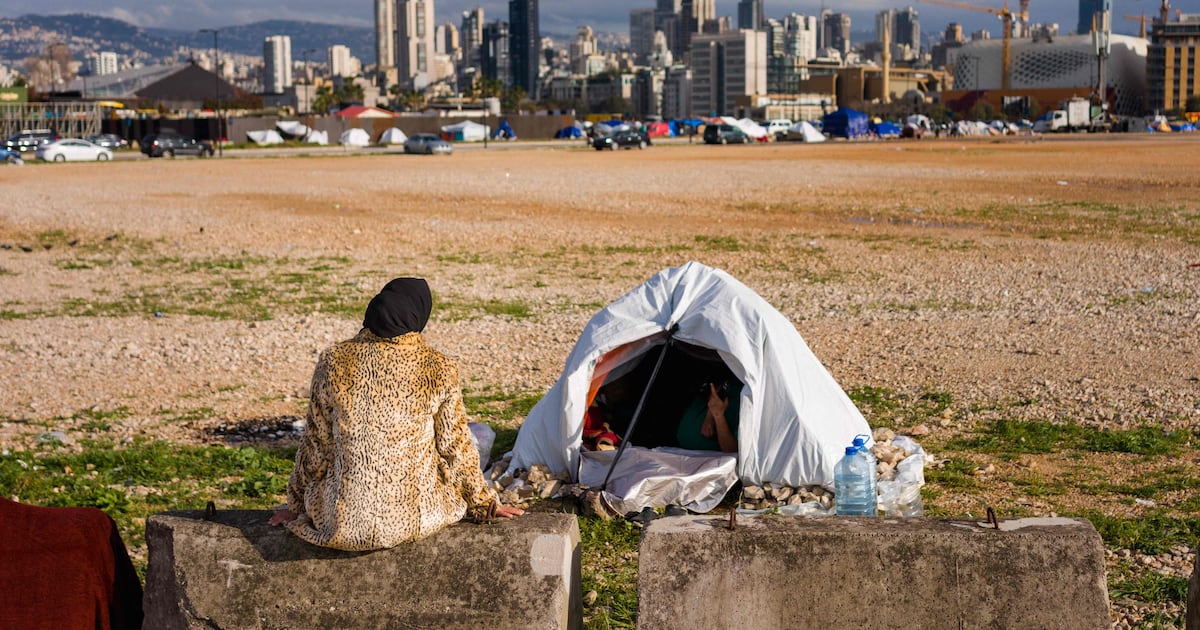

The escalating Israeli military operations in southern Lebanon, including the reported establishment of a proposed “security buffer zone” extending approximately 30 kilometers from the border, pose significant risks to Lebanon’s fragile economic recovery and its ability to secure sovereign capital. As Lebanon grapples with mass displacement—affecting over one million citizens, including those in temporary shelters and informal settlements—the strain on state resources and public finances intensifies. The Minister of Social Affairs underscored that even a sustained three-month conflict could inflict a 5 to 7% contraction on GDP, reversing gains from 2025’s tentative growth, thereby undermining investor confidence and complicating debt restructuring efforts crucial for sovereign stability.
The humanitarian crisis is rapidly depleting Lebanon’s limited fiscal buffers, with the government seeking $308 million in international aid for immediate displacement response. However, only $90 million has been pledged and disbursed, representing a critical shortfall. This funding gap exacerbates vulnerabilities in sovereign capital markets, where Lebanon’s already distressed debt profile faces renewed headwinds. The crisis also threatens to erode social cohesion, particularly as displacement patterns concentrate heavily within the Shia community, potentially fueling regional tensions that deter cross-border investment flows vital for MENA’s venture capital ecosystem.
The infrastructure damage—including the destruction of bridges and transportation networks—disrupts supply chains and logistics, disproportionately impacting southern Lebanon, an area historically significant for regional trade and emerging venture capital interest. This destruction hinders the movement of goods, humanitarian aid, and economic activity, creating a secondary economic crisis. While entities like Dubai Humanitarian have provided critical medical supplies, the scale of infrastructure repair required far exceeds immediate aid capabilities, delaying any potential revival of investment in disrupted sectors. The conflict thus creates a perilous environment for venture capital, as uncertainty stifles entrepreneurial activity and displaces talent, particularly in tech hubs like Beirut, potentially driving skilled workers toward regional financial centers like Abu Dhabi or Riyadh, further straining Lebanon’s capacity to attract future sovereign investment.