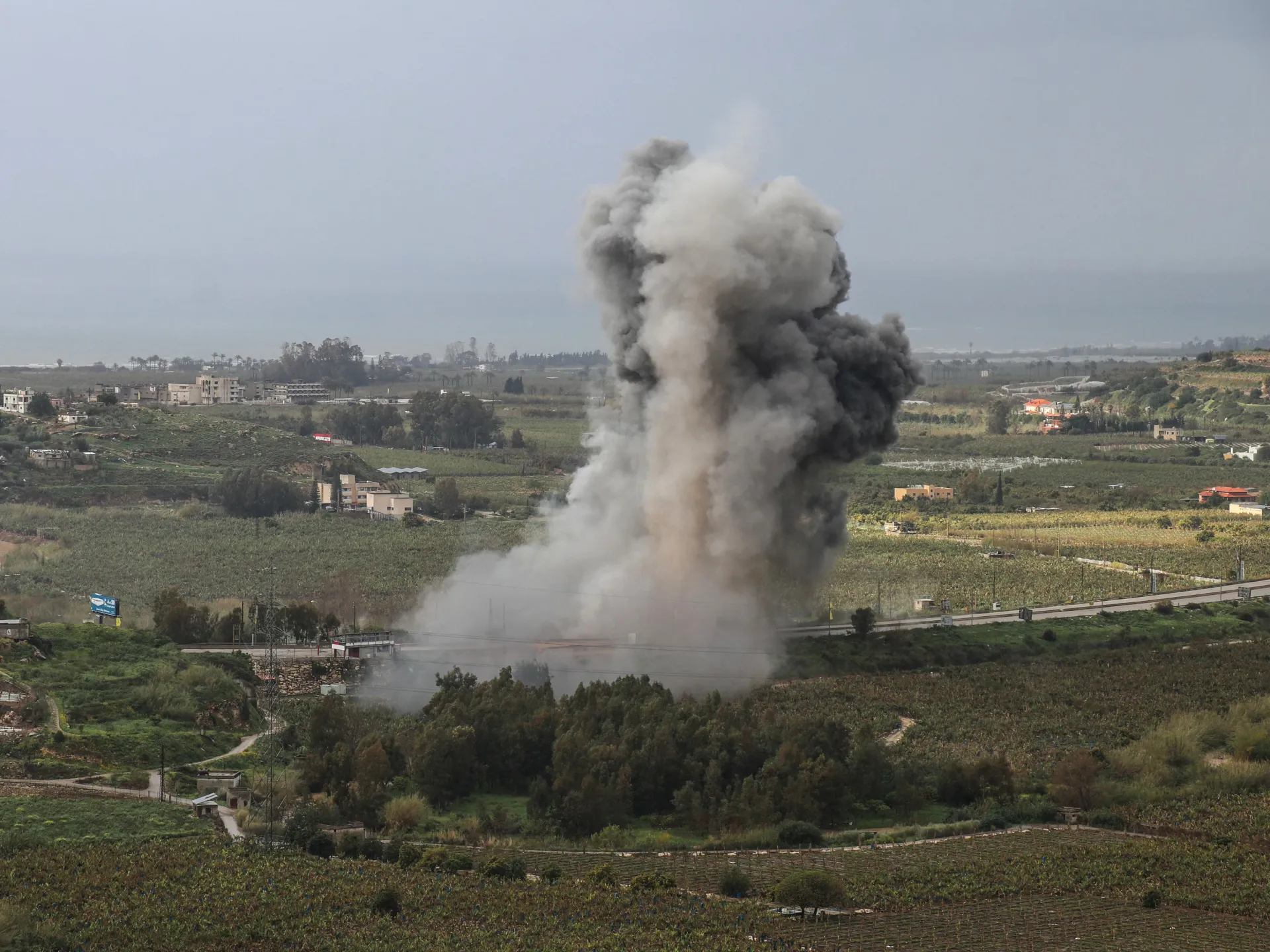

The recent escalation of hostilities between Israel and Hezbollah, marked by the deliberate targeting of critical infrastructure like the Qasmiyeh Bridge, presents a significant and multifaceted risk to the stability of Lebanon and carries profound implications for regional financial flows and investment. While the stated Israeli objective is to neutralize Hezbollah’s capabilities, the scale of the operation, coupled with the declared intent for a “prolonged” campaign, raises serious concerns about the potential for widespread economic disruption and humanitarian crisis within Lebanon, a nation already grappling with severe financial instability.
From a business perspective, the destruction of vital transportation arteries and the threat of further infrastructure damage will severely impede trade and commerce, exacerbating Lebanon’s existing debt crisis and hindering any prospects for economic recovery. Sovereign capital flight is almost guaranteed, further depleting Lebanon’s already scarce foreign reserves. The impact extends beyond Lebanon; regional investors, particularly those with exposure to Lebanese banks or businesses, will likely reassess their risk profiles, potentially leading to a broader contraction in investment across the Levant. We anticipate a sharp decline in FDI, particularly in sectors reliant on cross-border trade and logistics. The potential for a protracted conflict also introduces significant uncertainty for regional energy infrastructure, given Lebanon’s proximity to key gas pipelines and maritime boundaries.
The situation also has implications for sovereign wealth funds (SWFs) across the GCC. While direct investment in Lebanon is limited, the broader regional instability stemming from this conflict could impact portfolio allocations and risk appetite. Furthermore, the potential for a humanitarian crisis will likely trigger increased aid flows from GCC nations, but these will be contingent on a stable political environment and a credible plan for reconstruction. Venture capital activity, already subdued in Lebanon, will likely freeze entirely, further stifling nascent entrepreneurial ecosystems. The conflict underscores the vulnerability of regional economies to geopolitical shocks and the need for diversification strategies to mitigate such risks.
Looking ahead, the conflict’s impact on regional infrastructure is paramount. The deliberate targeting of bridges and border crossings highlights the fragility of existing networks and the potential for cascading disruptions. This necessitates a reassessment of infrastructure security protocols and a renewed focus on resilient design and diversification of supply chains. Furthermore, the potential for a ground incursion into southern Lebanon will require significant investment in reconstruction and rehabilitation efforts, potentially diverting resources from other critical development projects. The international community, including multilateral development banks, will be under pressure to provide financial assistance, but the disbursement of such aid will be contingent on a durable ceasefire and a commitment to political and economic reforms within Lebanon.