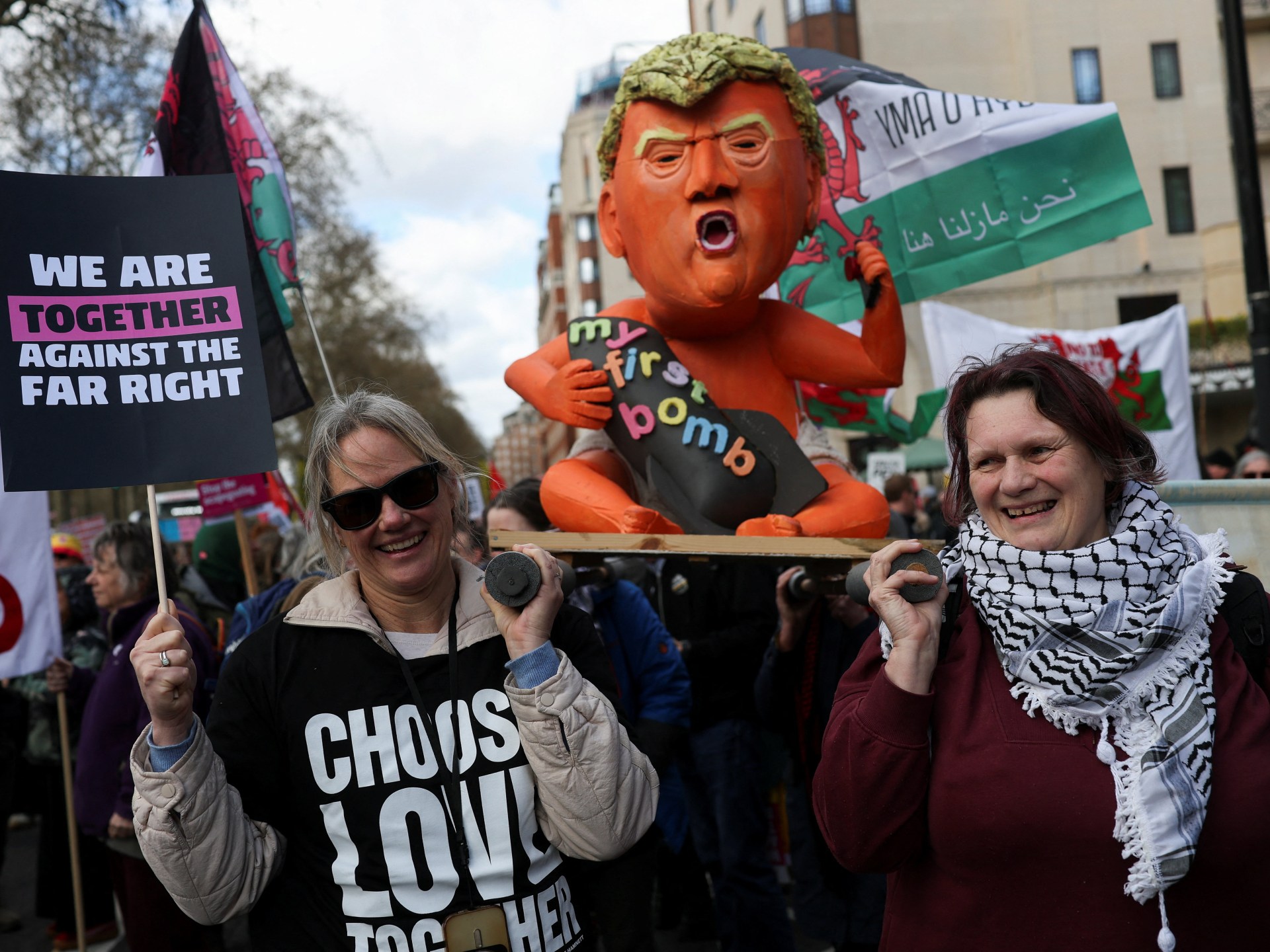

The sizable mobilization against rising far-right influence in Britain carries significant implications for Middle East and North Africa capital flows and investment strategies, particularly given the UK’s strategic financial bridge to the region. Sovereign wealth funds from the Gulf Cooperation Council (GCC), which collectively manage over $3.5 trillion in assets, continually reassess exposures to European markets against political volatility. The fracturing of the British political landscape, punctuated by such large-scale protests and the surging electoral fortunes of parties like Reform UK, introduces new quantifiable risks into sovereign portfolio models, potentially accelerating a shift toward shorter-duration assets or markets perceived as more politically stable. This recalibration extends beyond equities into infrastructure partnerships, where MENA-backed UK ventures may face heightened scrutiny over regulatory uncertainty and social policy divergence.
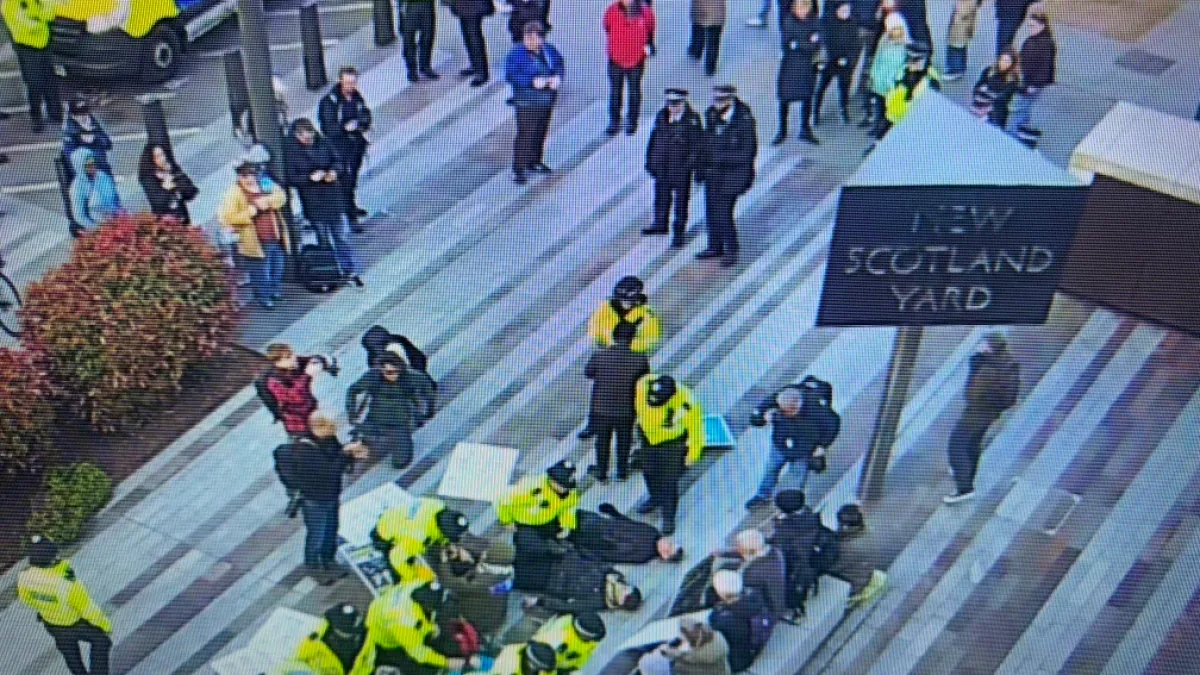
For MENA-focused venture capital and private equity entities, the UK’s political turbulence necessitates a more granular assessment of investment beyond purely financial metrics. Active polarization has direct consequences on talent mobility and consumer sentiment, factors critical to startups and regional expansion strategies. The visible tensions at protests, including counter-demonstrations and arrests linked to activism, signal a period of heightened social friction that could deter MENA entrepreneurs and investors seeking predictable operating environments. This hesitancy may divert sovereign-backed venture capital toward diversification into emerging markets such as Southeast Asia or Africa, where growth trajectories are less complicated by entrenched domestic political battles, altering long-term capital allocation patterns for regional funds.
Infrastructure implications extend into strategic development finance, particularly as MENA sovereign entities pursue global assets. The protests reflect deeper societal divides that could impede cross-border collaboration on critical projects like digital connectivity networks or energy transition initiatives, where the UK’s policy landscape is now more volatile. Long-term infrastructure partnerships predicated on social stability may require renegotiation or face delays, prompting Gulf investors to accelerate infrastructure deployment within their own regions instead. Concurrently, the UK’s need for investment to fund economic recovery amid political dysfunction could incentivize sovereign entities to pursue targeted infrastructure acquisitions at potentially discounted valuations, provided robust risk-mechanisms are deployed to isolate exposure from domestic political contagion.