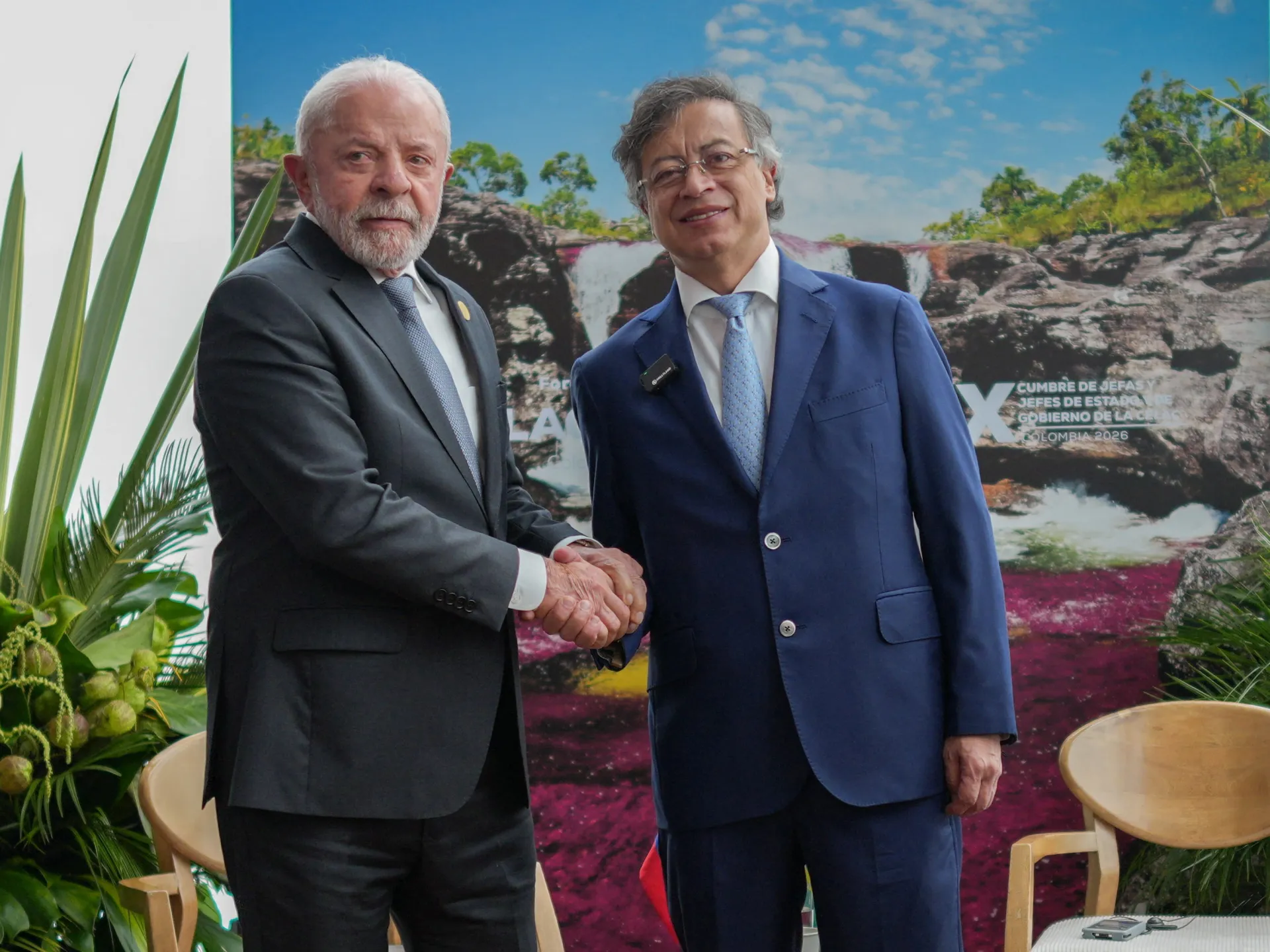

President Luiz Inacio Lula da Silva’s recent condemnation of “colonial” tactics by major powers against developing nations carries significant geopolitical repercussions that directly impact the Middle East and North Africa (MENA) region. His pointed critiques targeting the US administration’s actions in Venezuela, Cuba, and Iran underscore a growing fracturing of the post-Cold War global order, creating heightened uncertainty for international business operating in MENA. This geopolitical fragmentation complicates risk assessments for multinational corporations and regional players alike, potentially dampening foreign direct investment flows into infrastructure projects critical for MENA’s economic diversification, while simultaneously elevating the strategic importance of regional sovereign capital pools seeking to navigate this unstable environment.
For MENA’s burgeoning technology and venture capital ecosystems, the shifting sands in global diplomacy necessitate recalibration. Sovereign Wealth Funds (SWFs) and state-backed venture arms, with their vast capital reserves, are likely to prioritize investments offering geopolitical resilience and alignment with the region’s strategic autonomy goals. The US focus on securing critical minerals, as hinted at by Lula, heightens the strategic imperative for MENA nations – particularly those rich in natural resources or positioned as logistical hubs – to leverage sovereign capital to build domestic technological capabilities and forge alternative partnerships, thereby reducing reliance on traditional Western supply chains and venture capital sources susceptible to policy volatility.
Concurrently, the perceived ineffectiveness of multilateral institutions like the UN, lamented by leaders at the CELAC summit, places a greater onus on regional infrastructure development within MENA to bolster stability and economic interdependence. Enhanced cross-border connectivity projects, energy corridors, and digital infrastructure networks become vital not just for commerce, but as mechanisms to solidify regional integration and counterbalance external pressures. MENA’s sovereign wealth capital, therefore, will increasingly be deployed towards these foundational infrastructure initiatives, reinforcing a regional architecture less susceptible to the unilateral interventions criticized by Lula, and underpinning long-term economic sovereignty and technological advancement.