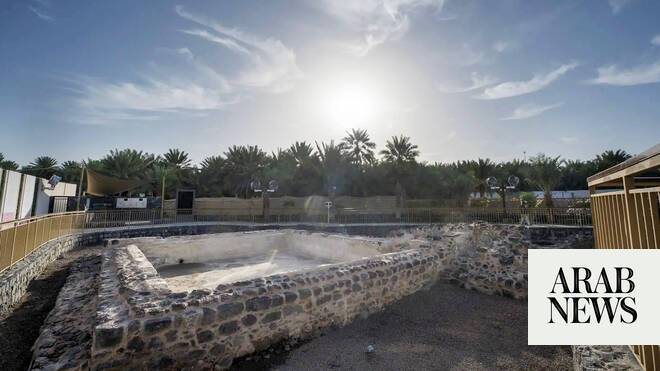

The Kingdom of Saudi Arabia’s recent initiative, centered around a forum examining historical sites linked to the Prophet’s biography, represents a strategic investment extending far beyond cultural preservation. While the stated aims of scientific documentation and enhanced visitor experience are valid, the broader implications for the Saudi economy, particularly within the burgeoning tourism and technology sectors, are significant. This undertaking should be viewed through the lens of Vision 2030, specifically its objectives to diversify revenue streams and establish the Kingdom as a global hub for religious tourism, a sector poised for substantial growth given evolving demographics and increased global mobility.
The involvement of the King Abdulaziz Foundation for Research and Archives, alongside the Ministry of Hajj and Umrah and the Pilgrim Experience Program, signals a coordinated deployment of sovereign capital. This isn’t merely a cultural event; it’s a deliberate effort to leverage Saudi Arabia’s unique historical and religious assets to attract investment and stimulate economic activity. We anticipate increased allocation of Public Investment Fund (PIF) resources towards related infrastructure projects – including advanced digital mapping, augmented reality applications for historical site exploration, and potentially, the development of specialized tourism-focused fintech solutions to streamline the Umrah and Ziyarah experience. The forum’s emphasis on verifying historical narratives and employing modern technologies suggests a commitment to building a robust, data-driven tourism ecosystem, attracting both international visitors and specialized research institutions.
The impact on the regional venture capital landscape is also noteworthy. The modernization of historical sites and the development of associated technologies will create opportunities for local and international VC firms to invest in startups focused on religious tourism platforms, immersive historical experiences, and data analytics related to pilgrim behavior. We expect to see increased interest from funds specializing in edtech and cultural technology, particularly those with a demonstrated understanding of the MENA region’s unique regulatory and cultural nuances. Furthermore, the initiative underscores the importance of regional infrastructure development – not just physical infrastructure like transportation and accommodation, but also digital infrastructure, including high-speed internet access and secure data storage capabilities, to support the envisioned technological enhancements.
Ultimately, this forum and the broader program it represents are indicative of a larger trend: the strategic utilization of cultural heritage and religious significance as drivers of economic diversification in the MENA region. Saudi Arabia’s leadership in this area is likely to inspire similar initiatives across the region, fostering competition and innovation within the religious tourism sector. The success of this program will hinge on the Kingdom’s ability to attract and retain talent in the technology and tourism sectors, and to effectively manage the complex interplay between cultural preservation, economic development, and geopolitical considerations. The long-term impact will be measured not just in visitor numbers, but in the creation of sustainable, knowledge-based industries and the strengthening of Saudi Arabia’s position as a global economic and cultural leader.